Traditional TV Remote Controls Are Becoming Obsolete, Replaced by Smartphones
Experts predict the conventional TV remote will be a mere accessory by 2026, as smartphones leverage Wi-Fi and Bluetooth to offer superior control and integrated smart home experiences.
✨ This content was summarized and interpreted by AI; it may contain errors — please verify accuracy with the original sources. Learn more
Listen to this story
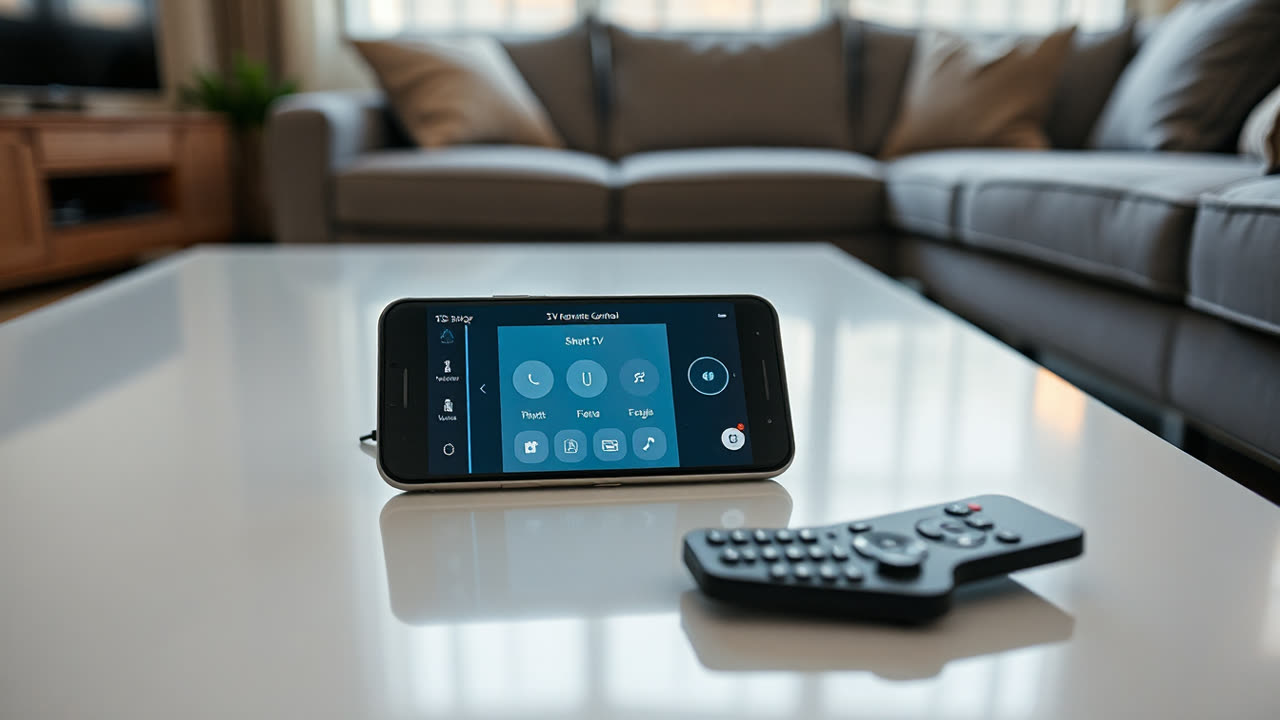
The conventional television remote control, a ubiquitous household item for decades, is rapidly approaching obsolescence, with experts predicting its decline into a mere accessory by as early as 2026. This profound shift is driven by the ascendancy of smartphones as sophisticated, multi-functional control hubs, leveraging both legacy infrared (IR) technology and, more predominantly, modern Wi-Fi and Bluetooth capabilities to offer an unparalleled user experience for smart TVs and interconnected home entertainment systems.
While a dwindling number of modern Android smartphones, primarily from brands like Xiaomi and OnePlus, still integrate IR blasters in models such as the OnePlus 13 and Xiaomi 14 Ultra in 2025, allowing direct control of even older, non-smart televisions without a network connection, this hardware feature is increasingly rare in flagship devices from manufacturers like Samsung, Google, and Apple. The true revolution lies in Wi-Fi-based control, where both the smartphone and the smart TV or streaming device—including popular platforms like Roku, Amazon Fire TV, Google TV, Samsung SmartThings, and LG ThinQ—must be connected to the same local network. This network-centric approach bypasses the line-of-sight limitations of IR, enabling control from anywhere within Wi-Fi range and unlocking a suite of advanced functionalities that traditional physical remotes cannot match.
The impact on users is transformative, moving beyond mere channel surfing to a more intuitive and integrated entertainment experience. Smartphone remote apps, whether official manufacturer companions or robust universal alternatives like TVRem or BoostVision, offer full QWERTY keyboards for significantly faster text entry for searches and passwords, replacing the cumbersome on-screen character selection via directional pads. Integrated touchpads provide fluid navigation, while voice control—harnessing assistants like Google Assistant, Alexa, or Bixby—allows for hands-free command execution, content search, and even system adjustments. Users can effortlessly launch streaming applications, curate watchlists, and seamlessly mirror content from their phone to the TV screen, consolidating multiple devices and their respective remotes into the single device almost constantly in hand. This convergence not only reduces coffee table clutter but also addresses the common frustration of misplaced physical remotes, offering an always-available solution that is often more user-friendly.
For the consumer electronics industry, this shift represents a strategic pivot. TV manufacturers are actively redesigning their software and hardware strategies, anticipating a future where users primarily interact through digital interfaces. This allows companies to reduce the manufacturing costs associated with complex physical remotes and offer a more flexible, updateable interface through software. The market for TV remote controls, estimated to reach $2.5-3.0 billion USD by 2025, with a projected compound annual growth rate of 3-5% through 2030, is increasingly driven by the demand for smart TVs and the integration of these devices into broader Internet of Things (IoT) ecosystems. Smartphone apps are not just controlling TVs; they are becoming central command centers for entire smart homes, managing lighting systems like Philips Hue, heating controls, and even smart coffee machines. This interconnectedness enhances the value proposition for smart TV platforms and their associated mobile ecosystems.
However, the transition isn't without its challenges. Reliance on smartphones introduces increased battery drain, particularly with intensive use, and demands a stable Wi-Fi connection for optimal performance. In areas with high network congestion, users may experience noticeable input latency, a lag between phone command and TV response, which can be frustrating and is a key reason why some still prefer the immediate tactile feedback of a physical remote. Privacy concerns also arise with voice-controlled systems, as microphones often need to remain active, prompting some users to disable these features. Furthermore, the fragmentation of standards and proprietary protocols across different brands can still complicate universal control, although many apps strive for broad compatibility.
Looking ahead, the trajectory of TV control is clear: further integration and intelligence. The evolution will see continued advancements in AI, sensor technology, and connectivity, leading to even more intuitive and immersive remote experiences. Voice control will become more sophisticated, potentially anticipating user needs, while gesture controls, already present in some forms, could evolve to offer more seamless, screen-agnostic interaction. The lines between a TV remote app, a smart home controller, and a content discovery platform will continue to blur, transforming the smartphone into the undisputed central nervous system of the digital living room. The era of the dedicated, single-function TV remote is undeniably waning, replaced by a dynamic, software-driven paradigm anchored in the device already in every pocket.