Turn Your Old Phone Into a Free Home Security Camera
Repurposing an old smartphone as a home security camera offers a virtually free, sophisticated surveillance solution, leveraging existing hardware that would otherwise contribute to electronic waste.
✨ This content was summarized and interpreted by AI; it may contain errors — please verify accuracy with the original sources. Learn more
Listen to this story
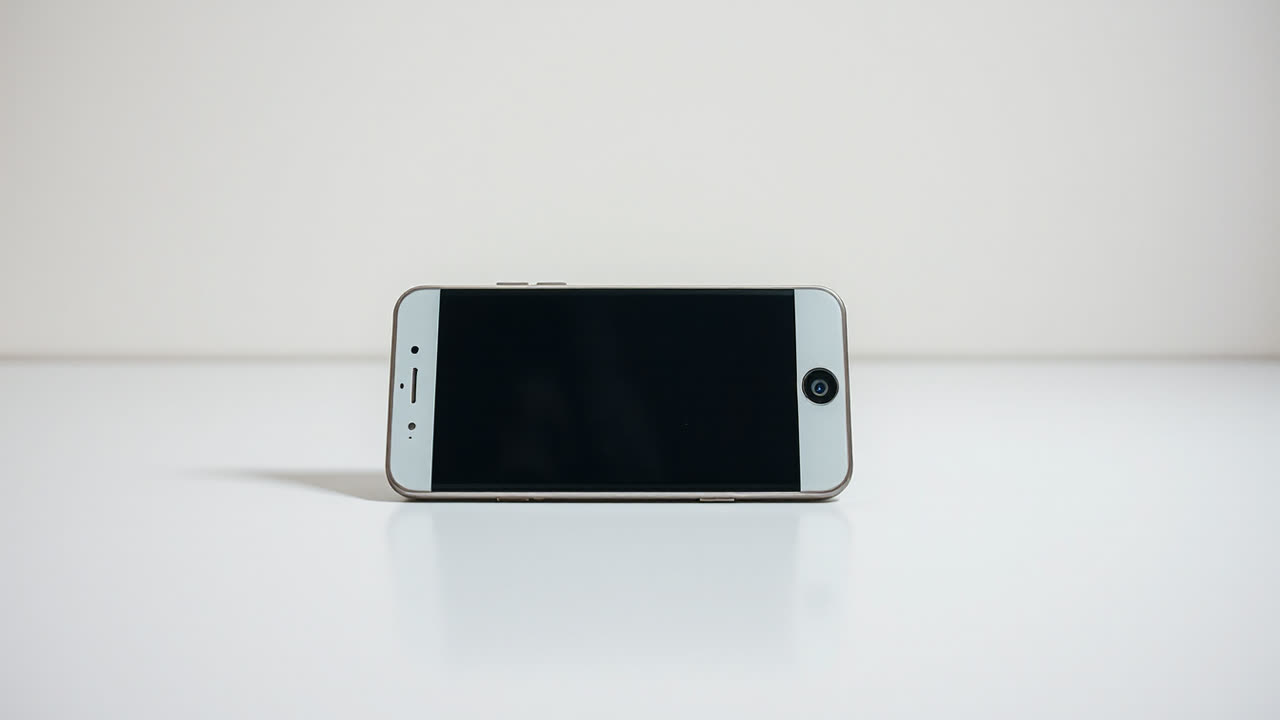
Repurposing an old smartphone as a home security camera offers a virtually free, sophisticated surveillance solution, leveraging existing hardware that would otherwise contribute to electronic waste. This innovative approach extends the lifecycle of devices, providing capabilities often found in dedicated security systems at a fraction of the cost or, more precisely, for no additional hardware expenditure.
The global DIY home security solutions market is projected to reach $15.9 billion in 2026 and expand to $31.2 billion by 2033, demonstrating a compound annual growth rate (CAGR) of 10.1%, driven by increasing consumer awareness, advancements in wireless and IoT devices, and a shift towards affordable, self-installed systems. Within this burgeoning market, the ingenious repurposing of old smartphones into security cameras stands out as a particularly compelling, virtually zero-cost solution. Apps like AlfredCamera, Manything, Salient Eye, Presence, AirDroid Personal, SeeCiTV, and AtHome Camera are transforming dormant devices into functional surveillance tools, offering features such as live streaming, motion detection with alerts, two-way audio, and even cloud storage, often with free tiers.
This trend matters significantly to both users and the security industry. For users, it democratizes home security, making surveillance accessible to a broader demographic who might be deterred by the initial investment of dedicated systems. An old phone, which might otherwise be traded in for a negligible sum or contribute to e-waste, finds a renewed purpose, embodying an eco-friendly approach to technology consumption. The convenience is undeniable: setup typically takes minutes, requiring only a stable internet connection (Wi-Fi preferred) and the chosen app installed on both the old "camera" phone and the current "viewer" device. AlfredCamera, for instance, is cross-platform, allowing seamless integration between Android and iOS devices. Its free plan includes a siren alarm, low-light mode, two-way talk, and the ability to switch between front and rear cameras, with premium tiers offering HD streaming, extended cloud storage (up to 30 days), and advanced detection features for persons, vehicles, and pets, starting at $5.99/month for the Standard plan.
Comparing this to traditional or even entry-level dedicated security cameras reveals a clear value proposition. While a basic security camera might cost anywhere from $20 to hundreds of dollars, and comprehensive systems can run into thousands, the smartphone solution leverages hardware already owned. Dedicated security cameras, however, often boast superior durability, weather resistance for outdoor use, and specialized features like enhanced night vision (infrared or large-sensor "color at night") that generally surpass an old phone's capabilities, especially in low-light conditions. They are designed for continuous 24/7 operation without concerns about battery degradation or overheating, issues that plague old phones constantly plugged in. Professional systems also typically offer more robust encryption and local storage options, addressing privacy concerns that arise with third-party cloud-based phone apps, where footage could be vulnerable to hacking or leaks. Despite these limitations, the versatility and mobility of an old phone, coupled with its discreet nature, make it ideal for indoor, temporary, or covert surveillance, such as monitoring pets, babies, or specific areas for package deliveries.
Looking ahead, the evolution of smartphone-based security is likely to converge with broader smart home trends. The home security system market, valued at $4.37 billion in 2025, is projected to reach $5.28 billion by 2030, with a CAGR of 3.7%, driven by the increasing usage of IoT devices. Key trends include the integration of AI-driven analytics, a rising demand for remote monitoring, and the expansion of DIY security kits. Phone-as-camera apps are already incorporating AI features like person and vehicle detection, and future iterations could see enhanced on-device AI processing to reduce reliance on cloud infrastructure, mitigating some privacy concerns. Innovations like the SweepLED prototype, an LED-powered phone accessory developed by the Korea Advanced Institute of Science and Technology (KAIST) that can detect hidden cameras with 94% accuracy in five seconds, suggest a future where smartphones not only serve as surveillance tools but also as advanced privacy guardians. Furthermore, the ongoing development of Wi-Fi 6 technology will bolster the stability and speed of wireless home security solutions, benefiting both dedicated cameras and repurposed phones. The challenge for developers of phone-as-camera apps will be to overcome the inherent hardware limitations of consumer smartphones, such as battery longevity and weatherproofing, while continuing to offer compelling, feature-rich software that leverages the phone's existing advanced camera sensors and processing power. This niche will likely continue to thrive as a cost-effective entry point into home surveillance, pushing the boundaries of what consumers can achieve with their discarded devices.