Turtle Beach Rematch Wireless Controller for Nintendo Switch 2 Offers Adorable Designs and Drift-Free Gaming
The Turtle Beach Rematch Wireless Controller for Nintendo Switch 2, launched in October 2025, immediately distinguishes itself in a crowded accessory market through its vibrant, officially licensed Nintendo designs and integrated RGB lighting, offering a feature-rich alternative to the official Pro Controller.
✨ This content was summarized and interpreted by AI; it may contain errors — please verify accuracy with the original sources. Learn more
Listen to this story
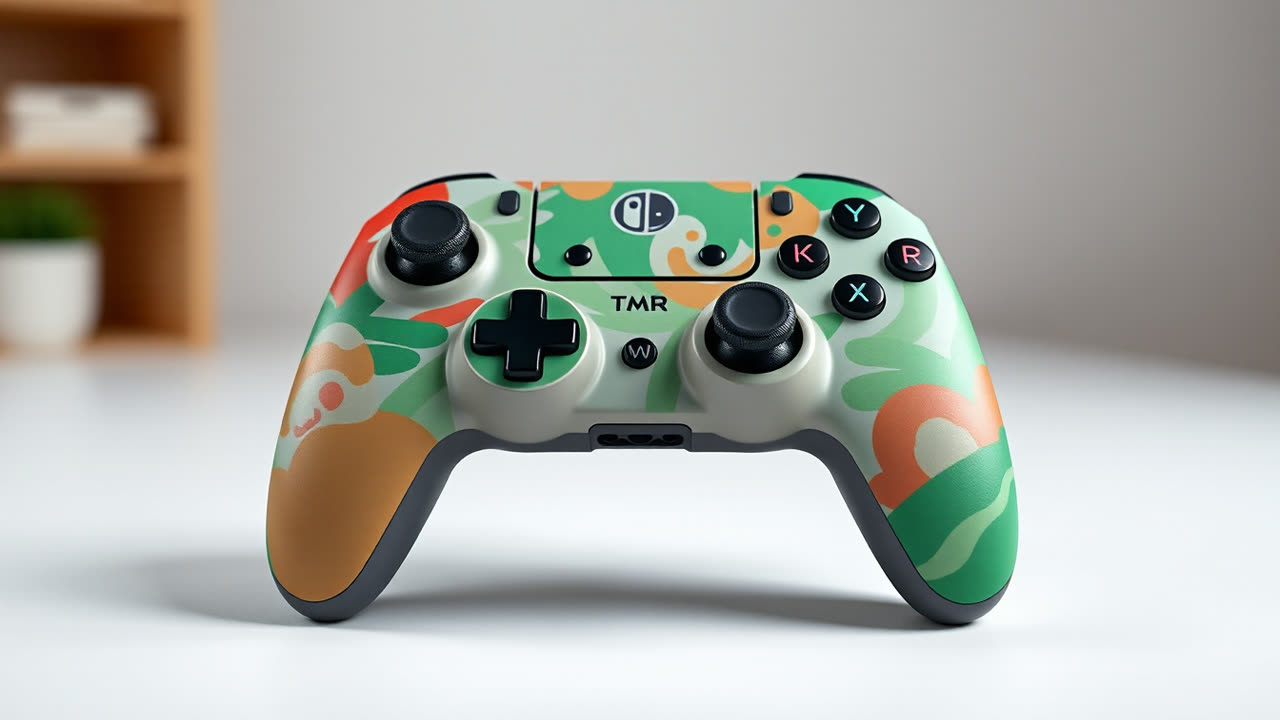
The Turtle Beach Rematch Wireless Controller for Nintendo Switch 2, launched in October 2025, immediately distinguishes itself in a crowded accessory market through its vibrant, officially licensed Nintendo designs and integrated RGB lighting. Priced at approximately $64.99 / £54.99 / AU$99, it undercuts the official Switch 2 Pro Controller by about $20-$30, positioning itself as an attractive, feature-rich alternative for Nintendo's latest console. With options ranging from whimsical Animal Crossing K.K. Slider motifs to Super Mario and Rosalina themes, complete with four distinct RGB lighting modes, the Rematch offers an aesthetic appeal rarely seen in third-party peripherals, granting it a unique "adorable edge".
This controller's entry into the Nintendo Switch 2 ecosystem is significant for both users and the wider gaming accessory industry. For players, the Rematch provides a comfortable and responsive gaming experience, addressing several common pain points associated with first-party controllers. Its semi-translucent design and textured grips are well-received, with some users finding its slightly larger and weightier build more ergonomic than the official Pro Controller, especially during extended play sessions. A standout feature is its use of TMR (tunnel magnoresistance) thumbsticks, which are lauded for delivering smooth, accurate gameplay and, crucially, offering drift resistance – a persistent issue that has plagued Nintendo's Joy-Cons and even some Pro Controllers. The inclusion of built-in motion controls, a 40-hour rechargeable battery (dropping to 12 hours with RGB effects active), and a 30-foot wireless range further enhance its user value. Customizable GL and GR back buttons allow for personalized remapping, adding a layer of competitive utility. The dedicated C Button for GameChat is also a notable addition, though its availability for the Switch 2 varies by model.
However, the Rematch's appeal comes with certain trade-offs, largely due to Nintendo's licensing restrictions on third-party manufacturers. The controller notably lacks rumble or haptic feedback, NFC functionality for Amiibo support, and the ability to wake the Switch 2 console from sleep mode. While the extended battery life partially compensates for the absence of vibration, these omissions might deter players accustomed to the full feature set of a first-party Pro Controller. The placement of the Home and +/- buttons is also inverted compared to the official layout, which can lead to initial fumbling for some users.
In the broader industry context, the Turtle Beach Rematch represents a strategic move by a company traditionally dominant in gaming headsets. Turtle Beach, which acquired Performance Designed Products (PDP) in 2024, has been actively diversifying its portfolio beyond audio, with controllers and licensed accessories emerging as key growth vectors. This expansion positions Turtle Beach as a significant contender in the estimated $0.5 billion gamepad controller market, competing directly with established third-party brands like 8BitDo, PowerA, and Hori. The official Nintendo licensing is a critical differentiator, allowing Turtle Beach to integrate familiar Nintendo aesthetics and ensure seamless compatibility, which can be a concern with less reputable third-party options. This approach not only broadens Turtle Beach's market reach but also helps solidify its reputation as a multi-category gaming accessory leader, aiming for profitable growth and stronger shareholder returns.
Looking ahead, the success of controllers like the Rematch underscores a growing trend in the accessory market: a demand for specialized, aesthetically pleasing, and functionally robust alternatives that offer value beyond what first-party options provide. With the Nintendo Switch 2 having launched in June 2025 and a burgeoning library of games, including enhanced ports of AAA titles like Cyberpunk 2077 and Final Fantasy VII Remake, the accessory market is ripe for innovation. Turtle Beach's commitment to "never-drift" TMR thumbsticks could set a new standard for durability and precision, pushing rivals to adopt similar technologies. The continued emphasis on customizable designs, such as the recently announced light-up Rosalina-themed controller, suggests a future where personalization and visual flair play an increasingly important role in consumer choice. However, the enduring challenge for third-party manufacturers will be to balance innovative features and competitive pricing with Nintendo's strict licensing policies, particularly concerning the integration of core functionalities like haptic feedback and NFC, which remain exclusive to first-party offerings. As Turtle Beach continues to expand its presence, its ability to navigate these constraints while delivering unique and desirable products will dictate its long-term impact on the evolving Nintendo accessory landscape.