Twitch content has trained Amazon AI for years, but users can opt out now
Streaming platform says user-generated content "may be used for future Gen AI model improvements."
✨ This content was summarized and interpreted by AI; it may contain errors — please verify accuracy with the original sources. Learn more
Listen to this story
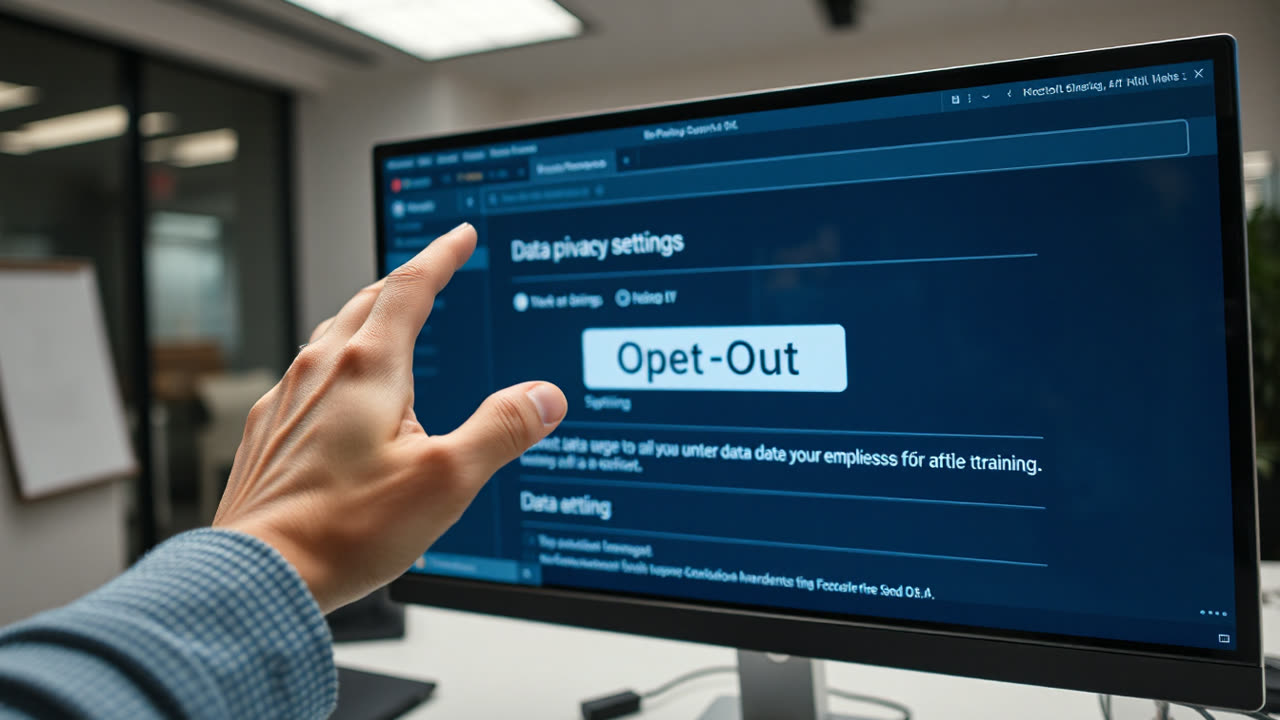
Twitch, owned by Amazon, has quietly revealed that user-generated content has been utilized for years to train Amazon's artificial intelligence models, a practice users can now opt out of following a recent policy update in August 2026. This significant shift, highlighted by a new clause stating user content "may be used for future Gen AI model improvements," brings long-standing, often opaque data utilization practices into sharper focus, sparking immediate debate over data ownership and creator rights.
The opt-out mechanism, while a concession, implicitly confirms the extensive historical use of live streams, VODs, chat logs, and other user data as a foundational bedrock for Amazon's AI development, spanning various generative AI projects beyond mere content moderation.
The revelation carries profound implications for Twitch's vast ecosystem of streamers and viewers, fundamentally altering the perceived social contract between platform and user. For years, creators have invested countless hours into building communities and generating unique content, often under the assumption that their intellectual property and performance data were primarily for platform operation and monetization, not for training sophisticated AI systems that could potentially replicate or even compete with their creative output. The ability to opt out, while a step towards user control, raises questions about retrospective consent for data already ingested and processed over an unspecified "years" of training. This could erode trust, particularly among smaller creators who rely heavily on Twitch for their livelihood, leading some to reconsider their commitment to the platform or explore alternatives that offer more transparent data policies. Furthermore, the potential for AI models trained on specific creators' styles or voices to be commercialized by Amazon without direct compensation or explicit, granular consent from the original creators presents a complex ethical and economic dilemma.
For the broader tech and AI industry, Twitch's policy adjustment underscores a growing tension between the insatiable data demands of generative AI development and evolving expectations around data privacy and digital rights. Amazon, a titan in cloud computing (AWS) and AI research, stands to benefit immensely from vast, real-world datasets for refining its language models, image generators, and other AI services. Live streaming data, with its rich tapestry of human interaction, spontaneous speech, visual information, and emotional nuance, is an invaluable, diverse, and often uncurated resource for building more robust, context-aware, and human-like AI. The policy change suggests Amazon is proactively addressing potential legal and ethical challenges as regulatory scrutiny over AI training data intensifies globally, mirroring concerns seen with other large language model developers facing lawsuits over copyrighted material. This move could set a precedent for how other user-generated content platforms, from social media giants to video hosts, will be compelled to disclose and manage their own AI training data practices, potentially triggering a wave of similar opt-out features across the digital landscape.
Historically, the exact scope of how user data is leveraged by large tech companies for internal AI projects has often been shrouded in vague terms of service. While many platforms have clauses allowing for data use to "improve services," the explicit mention of "Gen AI model improvements" by Twitch marks a more direct acknowledgment. In contrast, rivals like YouTube (owned by Google) and Meta (Facebook, Instagram) have also been developing advanced AI, and while their data policies permit broad use of user content, they have yet to implement a similarly explicit, user-initiated opt-out specifically for generative AI training. This places Twitch, and by extension Amazon, in a unique position, navigating the cutting edge of AI development while attempting to assuage user concerns. The current generation of AI models thrives on massive, diverse datasets, making platforms with abundant user-generated content prime targets for data acquisition. Prior to this explicit policy, the implicit understanding was often that data contributed to general platform improvements; now, the specific application to generative AI is undeniable.
Looking ahead, this policy update is likely just the beginning of a much larger conversation. We can anticipate increased pressure from creator advocacy groups for more granular control over their data, potentially demanding compensation or more detailed transparency reports on how their content contributes to specific AI models. Regulators, particularly in regions with strong data protection laws like the EU, may scrutinize the adequacy of a simple opt-out, especially regarding data collected prior to the policy change. Furthermore, the competitive landscape among streaming platforms could shift, with some potentially advertising stronger user data protections as a differentiator. The long-term impact on Amazon's AI development remains to be seen; while an opt-out could theoretically reduce the volume of available training data, it might also lead to a more ethically sourced and curated dataset, potentially enhancing the quality and trustworthiness of their AI models in the long run. The era of quietly leveraging vast user datasets for AI training is drawing to a close, ushering in a new phase where user consent and data sovereignty will be paramount.