Twitch's Opt-Out AI Training Policy Sparks Creator Rights Debate
Twitch's controversial decision to make AI training on streamer content an opt-out feature, rather than an opt-in, has ignited a fierce debate about creator rights, platform control, and the future of generative artificial intelligence in the streaming ecosystem.
✨ This content was summarized and interpreted by AI; it may contain errors — please verify accuracy with the original sources. Learn more
Listen to this story
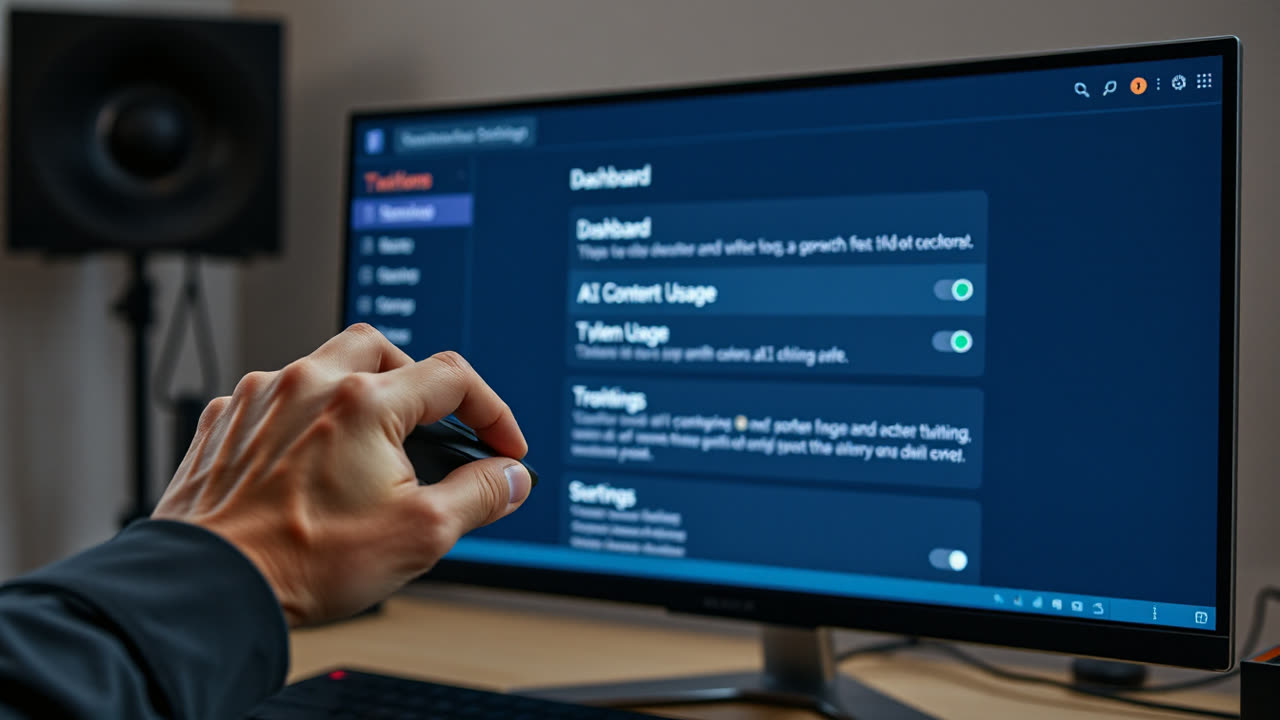
Twitch's controversial decision to make AI training on streamer content an opt-out feature, rather than an opt-in, has ignited a fierce debate about creator rights, platform control, and the future of generative artificial intelligence in the streaming ecosystem. The platform’s policy, which effectively leverages the vast trove of live and archived video content for the development of its AI models, places the onus entirely on individual streamers to actively disengage from the process, a move that critics argue prioritizes corporate AI ambitions over user autonomy and transparency. This default enrollment into AI training raises significant questions about informed consent and the implicit value creators’ work provides to a rapidly evolving technological landscape.
The core of the issue lies in the implementation: streamers must navigate their dashboard settings to locate and toggle off the "Use Your Content for AI" option, a process that, while straightforward for tech-savvy users, can easily be overlooked by a substantial portion of Twitch's diverse creator base. Twitch's rationale for this opt-out approach centers on the perceived benefits of enhanced platform features, such as improved content moderation, better search and recommendation algorithms, and potentially new generative tools designed to assist streamers. The company asserts that utilizing this data is crucial for refining its AI capabilities, which it frames as ultimately beneficial for the entire community. However, this justification rings hollow for many who see it as a convenient way to amass data without explicit, proactive agreement, effectively turning every streamer into an unwitting data provider for Amazon-owned AI initiatives.
This policy matters profoundly because it fundamentally shifts the power dynamic between platform and creator, especially as AI technology becomes increasingly sophisticated. For streamers, their content—the product of countless hours of labor, creativity, and personal expression—is now automatically considered fodder for machine learning models that could eventually generate synthetic content, analyze user behavior, or even mimic their unique styles. This raises concerns about intellectual property rights, potential misuse of personal brand, and the economic implications if AI-generated content begins to compete with human-created streams. The lack of an opt-in mechanism implies that the value of a streamer's data for AI training is presumed by the platform, rather than being a negotiated or compensated agreement. Moreover, it sets a precedent for other platforms, potentially normalizing the automatic absorption of user-generated content for AI development without explicit consent, eroding the concept of digital ownership.
Historically, content platforms have grappled with the use of user data for various purposes, but the advent of generative AI introduces a new dimension of complexity. While prior generations of Twitch and rival platforms like YouTube Gaming often utilized data for analytics, advertising, and recommendation engines, these uses typically did not involve the direct "training" of models to create new content or deeply analyze individual stylistic nuances. YouTube, for instance, provides creators with tools to manage how their content is used, though its broader AI policies are also evolving in this space. Kick, a newer competitor, has largely focused on more favorable revenue splits and less restrictive content policies, but its stance on comprehensive AI training of user streams is still developing and subject to scrutiny as the platform scales. The significant difference here is the implied permission for Twitch to use content not just to understand but to *replicate* or *synthesize* aspects of human creativity, pushing the boundaries of what constitutes fair use and creator control.
Looking ahead, Twitch's opt-out strategy is likely to face continued pressure from the creator community, potentially leading to further refinements or, in a more extreme scenario, regulatory intervention. Streamer advocacy groups and unions are increasingly vocal about digital rights and fair compensation, and the lack of an opt-in for AI training could become a flashpoint for collective action or demands for revenue sharing from AI-derived benefits. It is plausible that Twitch might eventually be compelled to offer more granular controls, or even a compensation model, for creators who choose to allow their content to be used for advanced AI training. Furthermore, the broader industry will be watching closely; if Twitch's approach proves successful in accelerating its AI development, other platforms may adopt similar strategies, potentially leading to a widespread erosion of default creator control over their digital output. Conversely, if enough streamers opt out, Twitch might find its AI models lacking the diverse data needed for optimal performance, forcing a reconsideration of its current stance. The long-term trajectory points towards a future where the line between human creativity and machine-generated content becomes increasingly blurred, making the terms of engagement for AI training a critical battleground for the future of digital content creation.
FACTS: How to stop Twitch from training AI on your streams — And why the company didn't make the feature opt-in. (kaynak: Engadget, https://www.engadget.com/2235928/how-to-stop-twitch-training-ai-on-streams/)