Ukraine Unveils Mine-Resistant All-Wheel-Drive Electric Combat Motorcycle
Ukraine's newly approved MUL.E electric combat motorcycle introduces unprecedented mine-resistance and all-wheel-drive capability, fundamentally altering light military mobility and soldier survivability on the modern battlefield.
✨ This content was summarized and interpreted by AI; it may contain errors — please verify accuracy with the original sources. Learn more
Listen to this story
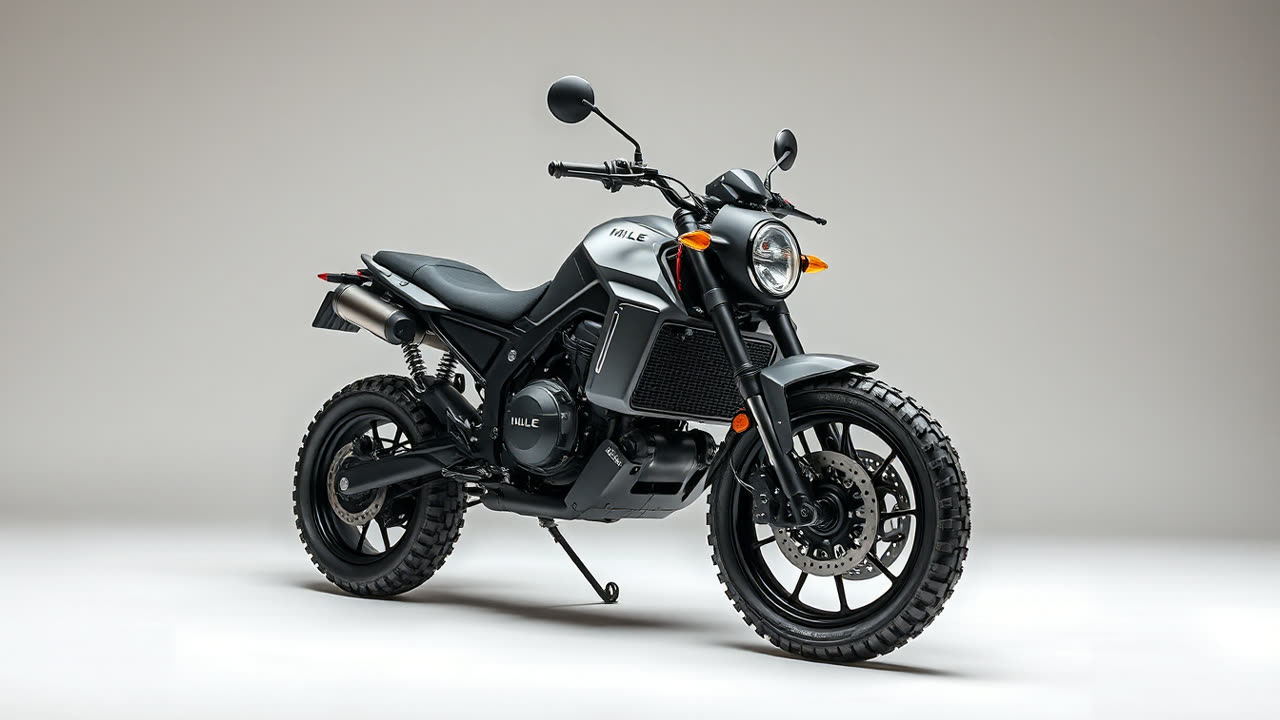
Ukraine's recent unveiling and approval of the MUL.E electric combat motorcycle marks a significant leap beyond the established utility of silent electric military reconnaissance vehicles, introducing a robust, mine-resistant, all-wheel-drive platform designed for frontline engagement and logistical support in hazardous environments. This innovative vehicle, developed by a Ukrainian defense startup and now cleared for deployment, represents a strategic evolution in light military mobility, addressing critical vulnerabilities inherent in traditional motorcycles and even early electric prototypes. The MUL.E's core differentiator lies in its integrated mine-resistant design, a feature virtually unprecedented in a two-wheeled vehicle, specifically engineered to protect operators from anti-personnel mines and improvised explosive devices (IEDs) that pose a constant threat on modern battlefields.
The significance of the MUL.E extends far beyond its impressive technical specifications; it fundamentally alters the calculus for small unit operations and forward logistics in contested zones. Its mine-resistant chassis, likely incorporating advanced composite materials and energy-absorbing structures, aims to mitigate casualties from blasts that would typically incapacitate or kill a rider on a conventional motorcycle. This directly translates to enhanced soldier survivability, a paramount concern in the high-intensity conflict Ukraine currently faces. Furthermore, the all-wheel-drive system provides superior traction and maneuverability across diverse and challenging terrain—mud, sand, snow, and uneven ground—granting soldiers greater access to difficult-to-reach areas and increasing their operational flexibility compared to standard rear-wheel-drive motorcycles. The electric powertrain, while already a proven asset for covert operations due to its near-silent running and reduced thermal signature, also simplifies logistics. Electric vehicles require less maintenance than internal combustion engines, eliminating the need for a complex fuel supply chain in forward positions and potentially allowing for charging from portable solar arrays or battlefield generators. This operational independence can be a game-changer for special forces, reconnaissance teams, and medical evacuation units operating behind enemy lines or in isolated sectors.
Historically, military motorcycles, from the Harley-Davidson WLA of World War II to modern dirt bikes, have served primarily as fast reconnaissance, messenger, and liaison vehicles. Their vulnerability to small arms fire and, critically, mines and IEDs has always limited their direct combat utility. Early military electric motorcycles, such as those explored by the U.S. military, focused predominantly on stealth for special operations, exemplified by models like the SilentHawk or the Zero MMX, which prioritized quiet operation over substantial protection. The MUL.E, however, transcends this paradigm. It doesn't merely offer quiet mobility; it offers *protected* quiet mobility, positioning it as a distinct class of light combat vehicle. While it cannot rival the armor of an infantry fighting vehicle or even a light armored personnel carrier, its mine resistance provides a crucial layer of defense for a platform designed for agility and speed. This design philosophy sets it apart from rivals by directly addressing one of the most pervasive threats to dismounted and lightly-mounted troops.
Looking ahead, the MUL.E’s debut signals a broader trend towards highly specialized, task-specific electric vehicles in military applications, moving beyond general-purpose electrification. We can anticipate further integration of advanced features such as modular payload systems for varied missions (e.g., carrying anti-tank guided missiles, reconnaissance drones, or medical supplies), enhanced battery technologies for extended range and faster charging, and potentially even semi-autonomous or swarm capabilities. The successful deployment and combat performance of the MUL.E in Ukraine will undoubtedly serve as a critical proving ground, influencing defense procurement strategies globally. Other nations are likely to accelerate their own research and development into similar protected, all-wheel-drive electric platforms, recognizing the tactical advantages offered by such adaptable and resilient vehicles in future conflicts characterized by dispersed operations and asymmetric threats. This shift not only underscores the growing importance of electric powertrains in military doctrine but also highlights a renewed focus on innovative, localized solutions to complex battlefield challenges. The MUL.E is not just a motorcycle; it is a harbinger of a more agile, survivable, and electrified future for light military mobility.