Used CPUs Can Carry Permanent Anti-Cheat Bans, Exposing Major Market Vulnerability
A gamer's discovery of a hardware ban linked to a secondhand CPU reveals a critical flaw in anti-cheat systems, leaving legitimate buyers at risk of penalties for previous owners' actions.
✨ This content was summarized and interpreted by AI; it may contain errors — please verify accuracy with the original sources. Learn more
Listen to this story
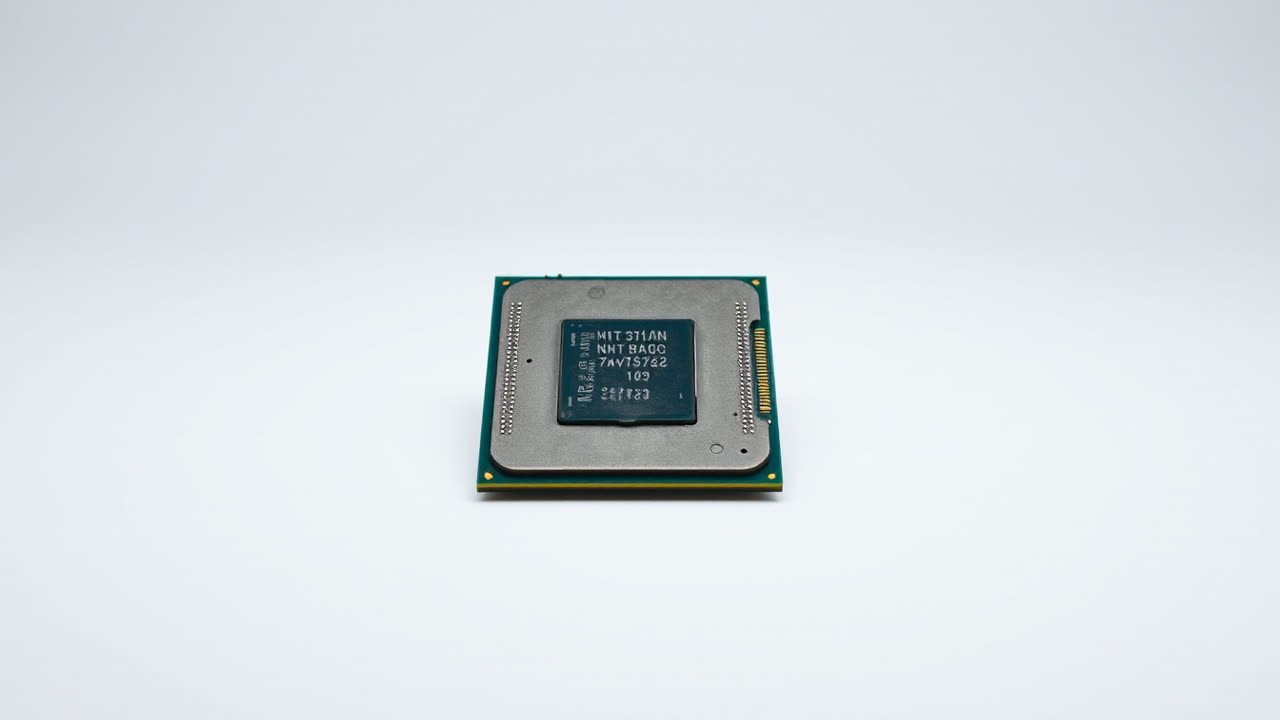
A gamer’s recent discovery that a used CPU can carry a permanent hardware ban from anti-cheat systems has exposed a critical, unaddressed vulnerability in the secondhand hardware market, leaving legitimate buyers susceptible to penalties for a previous owner’s transgressions. The core issue, highlighted by a Redditor who received a Valorant ban after installing a used CPU, stems from Riot Games' Vanguard anti-cheat system flagging hardware IDs (HWID) associated with cheating, a practice that can inexplicably transfer a ban to an innocent subsequent owner. This incident underscores a significant blind spot: there is currently no public-facing mechanism for consumers to verify if a CPU or other component carries such a flag before purchase, creating a potential minefield for bargain hunters and a new layer of risk for the burgeoning used electronics trade.
The ramifications of this uncheckable hardware ban extend far beyond a single game or anti-cheat system, casting a shadow over the entire used component ecosystem. For individual users, the immediate impact is a frustrating and often irreversible ban from their favorite games, potentially rendering a newly acquired, expensive component useless for its intended purpose. The financial loss, coupled with the time invested in troubleshooting and appealing a ban that isn't their fault, represents a significant deterrent to engaging with the secondhand market. Furthermore, the psychological impact of being branded a cheater without any personal culpability erodes trust in both game developers' anti-cheat methods and the integrity of the used hardware supply chain. The industry, particularly game publishers and anti-cheat developers, faces a growing credibility challenge. While aggressive anti-cheat measures are necessary to maintain fair play, the collateral damage to innocent users due to an opaque HWID banning system risks alienating their player base. Other prominent anti-cheat solutions like Easy Anti-Cheat (EAC) and BattlEye also employ HWID bans, often targeting components like motherboards, SSDs, and GPUs, suggesting this isn't an isolated Vanguard issue but a systemic problem across the gaming security landscape. The lack of transparency around which specific components are fingerprinted and how long these bans persist creates an environment of uncertainty that could stifle the legitimate recycling and resale of gaming hardware.
Historically, hardware bans have primarily focused on network interface cards (MAC addresses) or unique identifiers associated with storage drives and motherboards, making a CPU ban a relatively newer and more concerning development given its central role and cost. While prior generations of anti-cheat could be circumvented with relative ease through software spoofing, modern systems like Vanguard, introduced in 2020, integrate deeply at the kernel level to detect sophisticated cheats, making HWID bans a more potent, albeit blunt, instrument. This aggressive approach, while effective against persistent cheaters who might otherwise simply create new accounts, creates an unintended consequence for the used market. Unlike a software ban tied to an account, a hardware ban inherently sticks with the physical component, transforming it into a digital "hot potato." The comparison to previous anti-cheat methods highlights a critical evolution: the increasing invasiveness and permanence of these systems demand a corresponding increase in transparency and user protection mechanisms, which are currently absent. The absence of a public API or a simple diagnostic tool to scan a CPU for existing bans before purchase is a glaring oversight that disproportionately affects consumers.
Looking ahead, the current situation is unsustainable and demands immediate action from multiple stakeholders. Game developers and anti-cheat companies must acknowledge this unintended consequence of their robust security measures and work towards solutions. One potential path involves establishing a clear, publicly accessible registry or a verification tool where a component's HWID can be checked against a ban database. While this raises privacy concerns for original owners, a system that anonymizes data or requires the seller's explicit consent could be explored. Alternatively, anti-cheat systems could implement an expiration date for HWID bans, especially for CPUs, or develop more sophisticated algorithms to differentiate between a persistent cheater and a new, legitimate owner. The onus is also on platforms facilitating used hardware sales, like eBay or local marketplaces, to educate both buyers and sellers about this risk and potentially implement policies requiring sellers to disclose any known bans. Without such interventions, the used CPU market, a vital avenue for affordable PC upgrades, risks being undermined by distrust and the silent threat of a digital scarlet letter. The future of fair play in online gaming must not come at the expense of innocent consumers who are simply trying to participate in the circular economy of technology.