Valve Launches Steam Frame Headset, Blurring Lines Between VR and Flat Gaming
Valve’s new Steam Frame headset, launching at a striking $1,059 for its base model and $1,299 for a 1TB version, directly challenges the bifurcated gaming market by offering a singular device capable of running both traditional flat-screen and virtual reality games natively, alongside robust PC streaming capabilities.
✨ This content was summarized and interpreted by AI; it may contain errors — please verify accuracy with the original sources. Learn more
Listen to this story
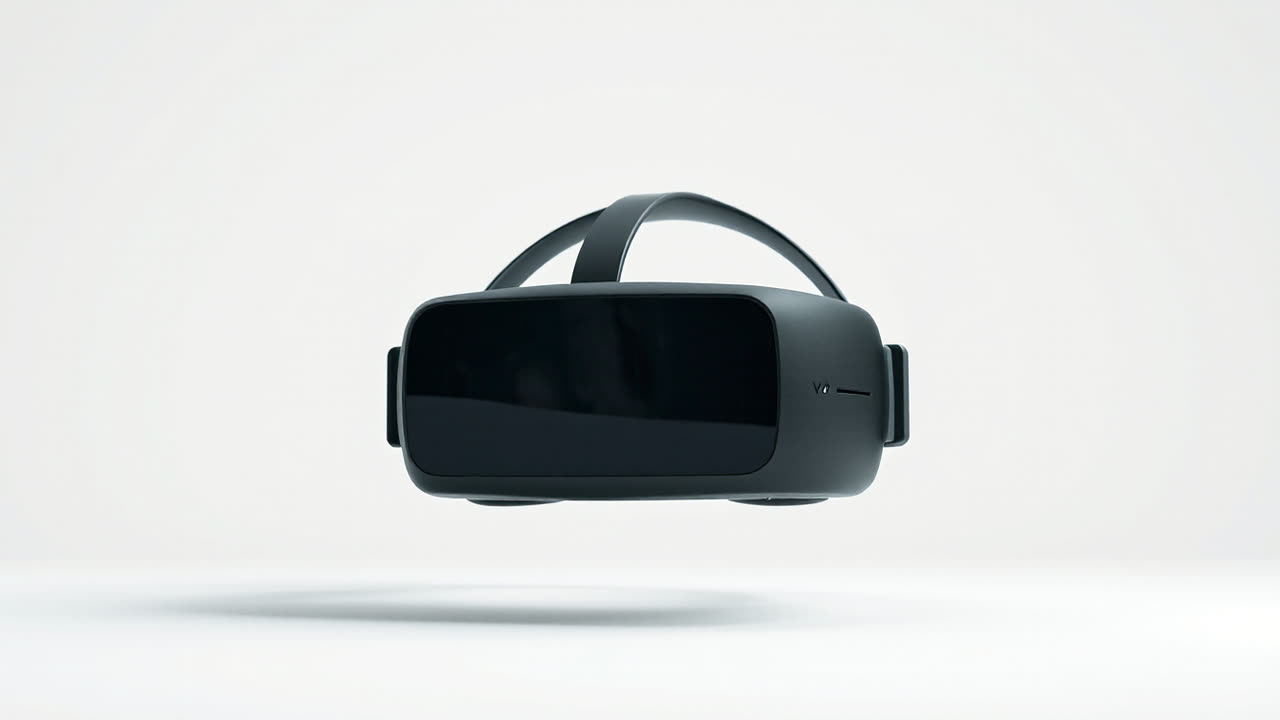
Valve’s new Steam Frame headset, launching at a striking $1,059 for its base model and $1,299 for a 1TB version, directly challenges the bifurcated gaming market by offering a singular device capable of running both traditional flat-screen and virtual reality games natively, alongside robust PC streaming capabilities. This aggressive pricing positions the Steam Frame not merely as another VR peripheral, but as a premium, standalone gaming console vying for a central role in the living room, significantly above the $499 Meta Quest 3 and even surpassing the initial price of the original Valve Index headset when bundled. The device's dual functionality, allowing users to seamlessly transition between immersive VR experiences and high-fidelity flat games on its internal display, represents a strategic pivot for Valve, moving beyond dedicated VR hardware to a more versatile, all-encompassing gaming platform that blurs the lines between handheld, console, and PC gaming.
This launch matters profoundly because it signifies Valve’s most ambitious attempt yet to define the future of gaming hardware, extending the "play anywhere" ethos of the Steam Deck into a more powerful, head-mounted form factor. For users, the Steam Frame promises unprecedented flexibility, potentially consolidating multiple gaming devices into one. Imagine playing *Cyberpunk 2077* natively on the headset's high-resolution display during a commute, then switching to *Half-Life: Alyx* in full VR at home, or streaming graphically intensive PC titles from a desktop rig with minimal latency. This convergence addresses a key pain point for many gamers: the fragmentation of their libraries and the need for multiple expensive devices. If the Steam Frame delivers on its promise of a high-quality "flat game" experience, it could unlock a massive new user base for VR content by lowering the barrier to entry for those primarily interested in traditional gaming but curious about VR. Its internal storage options, up to 1TB, suggest a commitment to hosting substantial game libraries directly on the device, further reinforcing its standalone console ambitions.
The Steam Frame enters a market currently dominated by Meta's more affordable, consumer-focused Quest line and Apple's ultra-premium, productivity-oriented Vision Pro. While the Meta Quest 3, with its starting price of $499, has focused on accessibility and a growing library of standalone VR titles, it largely serves as an entry point to virtual reality, with its processing power limiting the scope of its native flat-game capabilities. The Apple Vision Pro, by contrast, launched at an eye-watering $3,499, emphasizing mixed reality, spatial computing, and high-fidelity media consumption over core gaming, especially traditional flat gaming. Valve’s offering carves out a distinct niche by targeting the enthusiast gamer who values both high-performance VR and the flexibility of a portable, powerful flat-gaming device, effectively bridging the gap between these two extremes. Compared to its own Valve Index, which required a powerful PC and external base stations, the Steam Frame's standalone nature and local processing represent a significant leap in user convenience and accessibility, though the Index's superior tracking and wider field of view may still appeal to dedicated PC VR purists. The Steam Frame's ability to stream PC games also positions it as a direct competitor to cloud gaming services and remote play options, offering a potentially lower-latency, higher-fidelity alternative for those with a capable home network.
Looking ahead, the success of the Steam Frame will hinge on several critical factors beyond its initial hardware capabilities. Valve’s ability to cultivate a robust library of optimized native flat games, alongside compelling VR titles, will be paramount. Developer support, incentivized by the Steam ecosystem's vast user base, will be crucial for demonstrating the device's unique value proposition. Furthermore, the ergonomic design, battery life, and overall comfort for extended gaming sessions — both in VR and flat modes — will heavily influence user adoption. If Valve can effectively market the Steam Frame as a superior portable gaming experience that *also* does VR exceptionally well, it could disrupt the handheld console market currently led by the Nintendo Switch and even challenge the lower-end of the gaming laptop segment. The long-term outlook suggests that if the Steam Frame gains traction, it could accelerate the convergence of gaming hardware, pushing rivals to integrate similar dual-purpose functionalities into their next-generation devices. This bold move by Valve is not just about a new headset; it’s about redefining the form factor and expectations for what a premium gaming device can be in an increasingly interconnected and immersive digital landscape.