Valve's 2026 Steam Machine Launches Over $1,000, Faces Market Scrutiny
Valve's second attempt at a living-room PC gaming console, the 2026 Steam Machine, launches with a contentious price tag exceeding $1,000, raising immediate concerns about its market viability.
✨ This content was summarized and interpreted by AI; it may contain errors — please verify accuracy with the original sources. Learn more
Listen to this story
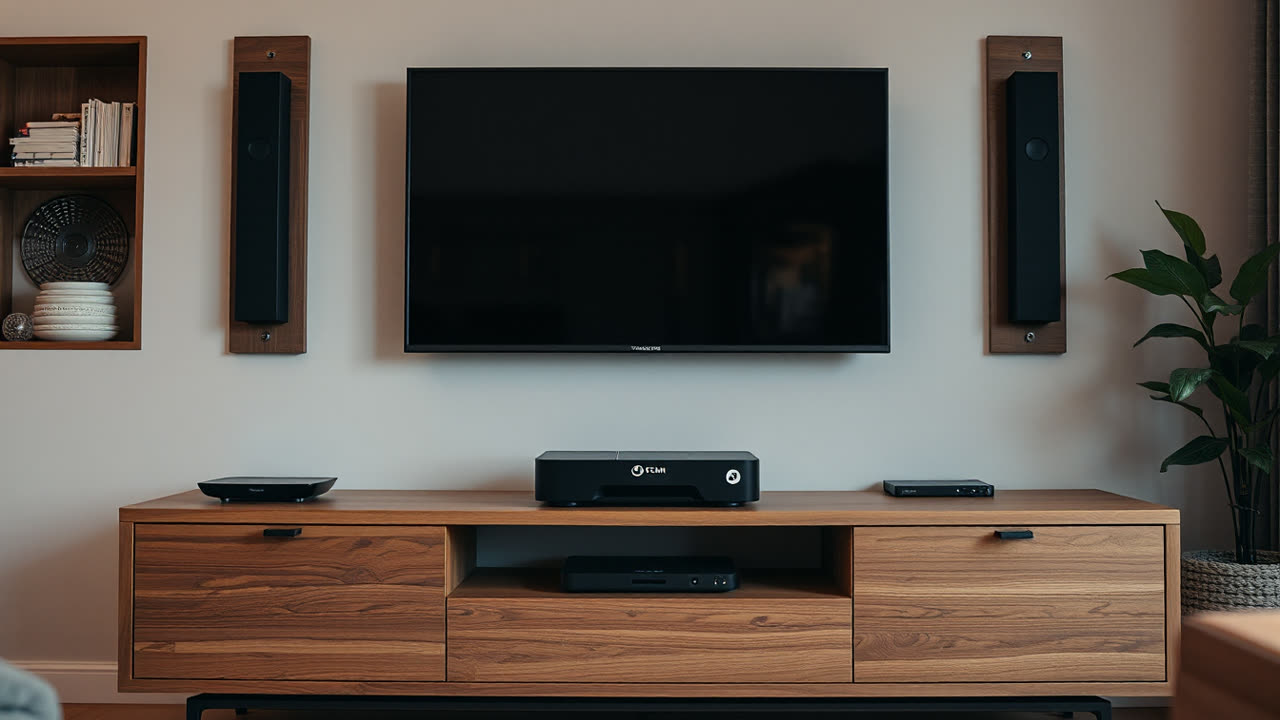
Valve's ambitious return to the living room with its new Steam Machine, officially released on June 29, 2026, has been met with a contentious starting price exceeding $1,000, immediately raising questions about its market viability. This second attempt at a console-like PC gaming experience arrives nearly a decade after the original Steam Machine initiative faltered, a project that, in hindsight, was perhaps "perfect five years ago" but ultimately failed due to a nascent Linux gaming ecosystem and a lack of commitment from third-party hardware partners.
The 2026 Steam Machine, internally codenamed "Fremont," is a compact, Valve-manufactured gaming computer designed to run SteamOS and offer a seamless console-like experience. Unlike its predecessors, this iteration benefits from Valve's direct control over hardware specifications, featuring a semi-custom AMD Zen 4 CPU and RDNA 3 GPU, along with 16GB DDR5 RAM and up to 2TB of storage. The crucial difference this time is the maturity of SteamOS and the Proton compatibility layer, which significantly broadens the range of Windows games playable on Linux, addressing a major shortcoming of the original launch.
However, the current global memory and storage shortages have driven up component costs, pushing the Steam Machine's base price to $1,049, with a 2TB model reaching $1,349. This places it in direct competition with traditional gaming consoles and even custom-built PCs, without the benefit of hardware subsidies common in the console market. While its "gorgeously small design" is lauded, offering a truly console-sized footprint, its performance, though significantly more powerful than the Steam Deck, is considered mid-range for its price point. Valve's strategy, emboldened by the Steam Deck's success, aims to multiply access points to its platform. Yet, the high price in a volatile market, coupled with the existence of the more affordable and portable Steam Deck, suggests the new Steam Machine may struggle to carve out a substantial niche, potentially appealing primarily to a dedicated segment of PC gamers seeking a living-room-specific, plug-and-play solution.