Vessev's VS-9 Electric Hydrofoil Ferry Achieves 95% Energy Reduction, Reshaping Maritime Transport
Vessev's VS-9 electric hydrofoil ferry dramatically cuts energy consumption by 95% by "flying" above water, poised to revolutionize urban and coastal maritime travel.
✨ This content was summarized and interpreted by AI; it may contain errors — please verify accuracy with the original sources. Learn more
Listen to this story
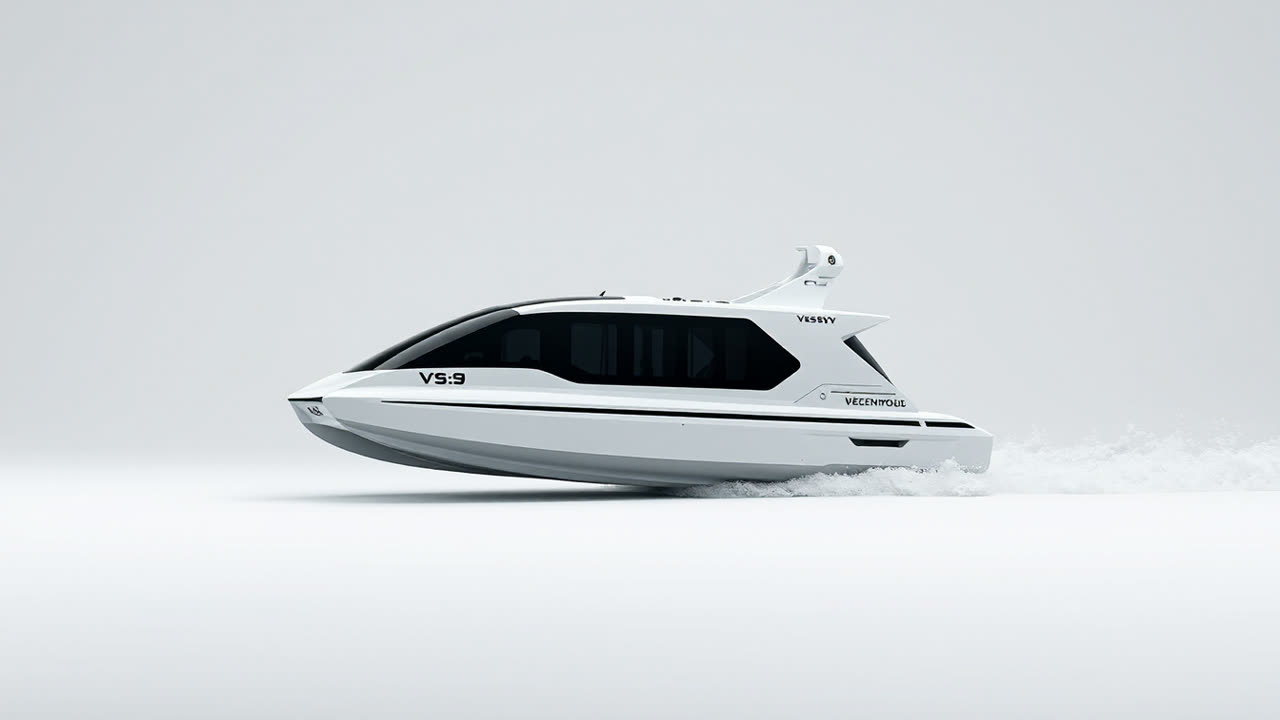
Vessev's VS-9, an electric hydrofoil ferry, achieves an unprecedented 95% reduction in energy consumption compared to conventional fossil fuel vessels by lifting its hull entirely out of the water at speed, fundamentally reshaping the economics and environmental footprint of maritime transport. This innovative approach, which sees the nine-meter, 10-passenger vessel cruise above the waves, promises to revolutionize urban waterways and coastal routes, offering a compelling alternative to traditional ferries that are often slow, noisy, and polluting. The VS-9, capable of speeds up to 25 knots and boasting a range of 50 nautical miles, is not merely an incremental improvement but a paradigm shift in marine propulsion and efficiency.
The implications of Vessev's technology extend far beyond cleaner air and quieter waters; they touch upon urban planning, operational costs, and the very perception of waterborne travel. For cities grappling with congestion and air quality issues, the VS-9 presents a viable, zero-emission solution for public transport, potentially integrating seamlessly into existing multimodal networks. The reduced wake generated by hydrofoils minimizes shoreline erosion and disturbance to marine life, addressing a critical environmental concern often associated with high-speed conventional craft. Operators stand to benefit from significantly lower running costs, primarily due to the dramatic reduction in energy consumption and potentially less wear and tear on components, offering a strong financial incentive for adoption despite the initial capital outlay for a cutting-edge vessel. The whisper-quiet operation and smooth ride afforded by hydrofoils also enhance the passenger experience, making water travel more appealing and accessible.
Hydrofoil technology itself is not new, with its principles dating back over a century, but its application in the electric ferry sector at this scale and efficiency marks a significant advancement. Previous generations of hydrofoils, often powered by combustion engines, faced challenges related to fuel consumption, noise, and maintenance complexity. Vessev’s integration of advanced electric propulsion, lightweight composite materials, and sophisticated control systems overcomes these historical limitations. The VS-9's ability to "fly" on foils dramatically reduces drag, the primary energy sink for conventional boats, allowing smaller battery packs to achieve respectable ranges and speeds without the prohibitive weight and cost associated with larger battery systems in displacement hulls. This contrasts sharply with other electric ferry projects that, while zero-emission, often struggle with range, speed, or capacity due to the inherent inefficiencies of pushing a hull through water. Competitors like Candela, with its P-12 electric hydrofoil passenger ferry, are also pushing the boundaries, demonstrating a growing industry trend towards this highly efficient form of marine transport. The Candela P-12, for instance, touts similar benefits in energy efficiency and wake reduction, indicating a burgeoning competitive landscape that will drive further innovation and refinement in the sector.
Looking ahead, Vessev's success with the VS-9 will likely catalyze broader adoption and investment in electric hydrofoil technology. The immediate next steps will involve scaling production and securing partnerships with ferry operators and municipalities globally. The modular design of the VS-9, which allows for customization to different operational requirements, will be key to its market penetration. The company's vision extends beyond the VS-9, with plans for larger vessels capable of carrying more passengers or cargo, hinting at a future where entire fleets of "flying" electric ferries could ply our waters. Challenges remain, particularly in the regulatory environment, which must adapt to accommodate these novel craft, and in the development of charging infrastructure robust enough to support widespread deployment. However, the compelling blend of environmental stewardship, operational efficiency, and enhanced passenger experience positions Vessev and the electric hydrofoil segment at the forefront of sustainable maritime innovation, promising a future where water travel is not just cleaner, but also faster and more enjoyable. The era of the "almost flying" ferry is here, and it’s poised to redefine our relationship with the water.