Volvo Launches Safety Coach App to Link Driving Behavior with Lower Insurance Premiums
Volvo's new Safety Coach app directly integrates real-time driving behavior with insurance premiums, aiming to significantly reduce costs for users and reshape the telematics insurance market.
✨ This content was summarized and interpreted by AI; it may contain errors — please verify accuracy with the original sources. Learn more
Listen to this story
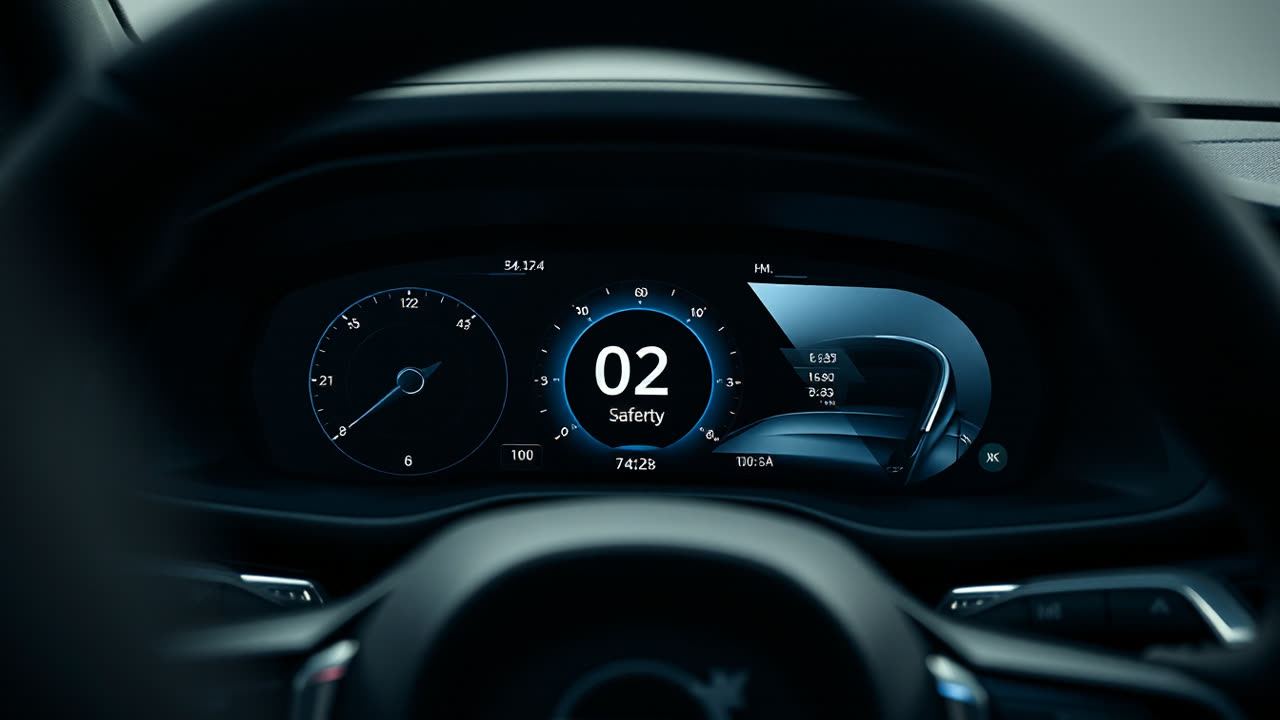
Volvo's new Safety Coach app, launched this week, directly integrates real-time driving behavior with the explicit goal of lowering car insurance premiums for its users, marking a significant strategic pivot for the automaker into the burgeoning telematics insurance market. Unlike traditional insurance models or even other basic telematics programs, Safety Coach aims to provide immediate, actionable feedback on driving habits, leveraging Volvo’s advanced safety systems to foster safer driving and, consequently, reduce risk for insurers. This initiative moves beyond merely collecting data; it actively coaches drivers, offering a granular approach to personalized risk assessment that could fundamentally reshape how premiums are calculated and how drivers interact with their vehicles.
The app's core functionality hinges on a sophisticated algorithm that analyzes multiple driving parameters captured by Volvo vehicles' onboard sensors, including acceleration patterns, braking force, cornering speed, and adherence to speed limits. Users receive a personalized "safety score" based on these metrics, alongside specific recommendations for improvement, such as smoother acceleration or anticipating stops. This data is then, with the driver's consent, shared with participating insurance providers, who can offer discounted rates to drivers demonstrating consistently safe behavior. While the specific percentage of savings will vary by insurer and individual driving profile, the underlying promise is a direct correlation between improved driving and lower costs, a tangible incentive for behavioral change. This approach stands in stark contrast to the generalized "good driver" discounts offered by many insurers, which often rely on less precise data points or aggregate statistics.
This move by Volvo is significant because it blurs the lines between automotive manufacturing and financial services, positioning the vehicle itself as an active participant in risk management rather than just an asset to be insured. For users, the immediate benefit is the potential for substantial savings on increasingly expensive car insurance, particularly in regions where premiums have surged. Beyond cost, the app could foster a new generation of more safety-conscious drivers, as the immediate feedback loop provides a constant reminder and incentive to adopt safer habits. However, this also introduces critical questions around data privacy and security. While Volvo emphasizes driver consent, the sheer volume and intimacy of the driving data collected – essentially a digital footprint of every journey – necessitates robust transparency and stringent data protection protocols. Users will need to weigh the financial benefits against the perceived trade-off of sharing such personal driving information, a calculation that will vary widely among individuals.
In the broader industry context, Volvo's Safety Coach represents an acceleration of the trend towards usage-based insurance (UBI) and embedded insurance solutions. While companies like Geico have long advertised potential savings through telematics devices or apps, often requiring separate hardware or third-party applications, Volvo’s solution is natively integrated into its vehicle ecosystem. This seamless integration offers a superior user experience and potentially more accurate data collection due to direct access to the car's internal diagnostics. Other automakers have dabbled in telematics partnerships, but few have launched a brand-specific, coaching-focused app with such a direct link to insurance premium reduction as a primary selling point. This could force rivals to either develop similar in-house solutions or deepen their partnerships with insurance providers to remain competitive, especially as consumers increasingly expect personalized, data-driven benefits from their vehicles. The race to own the driver data and leverage it for additional revenue streams or customer loyalty programs is intensifying.
Looking ahead, the success of Volvo's Safety Coach could catalyze a broader shift in the automotive and insurance landscapes. We may see more direct partnerships between OEMs and insurers, leading to bespoke insurance products tailored specifically to vehicle models and their integrated safety features. The data gathered could also inform future vehicle design, allowing engineers to identify common risky driving behaviors and design even more proactive safety systems. Furthermore, this initiative paves the way for a future where car ownership is not just about the vehicle itself, but a comprehensive ecosystem of services, including maintenance, financing, and insurance, all managed through the car's digital interface. The next iteration could involve dynamic pricing models that adjust premiums in real-time based on driving conditions or even proactive interventions from the vehicle itself to mitigate risk. However, regulatory frameworks for data ownership and consumer protection will need to evolve rapidly to keep pace with these innovations, ensuring that the promise of savings doesn't come at an undue cost to privacy or autonomy.