Volvo's New XC60 and XC90 Recharge Models Set New PHEV Range Benchmark with 78 Miles
Volvo's newly unveiled XC60 and XC90 Recharge models redefine the plug-in hybrid landscape, boasting an unprecedented electric-only range of up to 78 miles on a single charge, positioning them as America's longest-range PHEVs, a significant leap that challenges industry norms and offers a crucial bridge to full electrification.
✨ This content was summarized and interpreted by AI; it may contain errors — please verify accuracy with the original sources. Learn more
Listen to this story
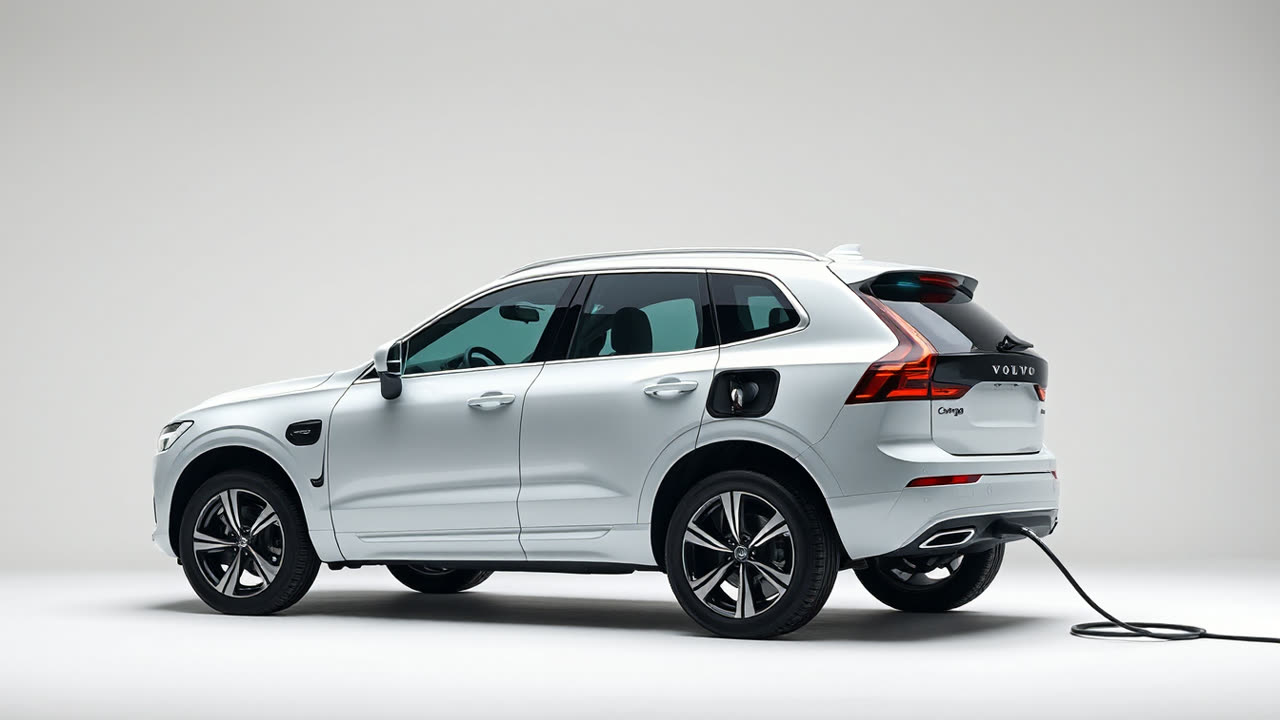
Volvo's newly unveiled XC60 and XC90 Recharge models redefine the plug-in hybrid landscape, boasting an unprecedented electric-only range of up to 78 miles on a single charge, positioning them as America's longest-range PHEVs. This substantial leap in electric capability, nearly doubling the range of many competitors, marks a pivotal moment for Volvo and the broader automotive industry, challenging preconceived notions about the viability and utility of hybrid powertrains as a bridge to full electrification.
This 78-mile figure, significantly surpassing the 42-mile EPA estimated range of the popular Toyota RAV4 Prime, effectively eliminates range anxiety for the vast majority of daily commutes. For users, it translates into a tangible reduction in gasoline consumption, potentially allowing for weeks of pure electric driving for those with shorter daily routines and access to home charging. This enhanced electric autonomy also qualifies these vehicles for more significant federal and state incentives, where available, further sweetening the proposition for environmentally conscious consumers looking to minimize their carbon footprint without the commitment to a fully electric vehicle. The increased battery capacity, likely around 20-25 kWh to achieve such a range, combined with Volvo's refined T8 powertrain, which typically pairs a supercharged and turbocharged 2.0-liter four-cylinder engine with an electric motor, offers a compelling blend of performance and efficiency. While specific power output figures for these 2026 models are yet to be fully detailed, previous iterations of the T8 powertrain delivered over 450 horsepower, suggesting these new long-range versions will maintain, if not exceed, that robust performance.
For the industry, Volvo's aggressive push into long-range PHEVs signals a strategic recalibration. While many manufacturers, including Volvo itself, have publicly committed to an all-electric future, this move demonstrates a recognition of the current market's complexities and consumer preferences. It suggests that the transition to battery electric vehicles (BEVs) may not be a linear, immediate shift for everyone. Instead, highly capable PHEVs can serve as a crucial stepping stone, offering the environmental benefits of electric driving for daily use while retaining the flexibility of gasoline for longer journeys or in areas with less developed charging infrastructure. This strategy directly contrasts with brands that are either phasing out PHEVs or offering them with more modest electric ranges, often seen as a compliance measure rather than a core product offering. The prior generation of Volvo's Recharge models, for instance, offered ranges closer to 35-40 miles, making the 78-mile jump a generational leap that sets a new industry benchmark. Other luxury rivals like the BMW X5 xDrive50e offer an estimated 40 miles of electric range, and the Mercedes-Benz GLE 450e achieves around 48 miles, placing Volvo's new offerings in a class of their own for electric reach.
Looking ahead, Volvo's bold move could ignite a new wave of PHEV development, forcing competitors to re-evaluate their own hybrid strategies. The "sweet spot" for PHEV range appears to be shifting, with 50+ miles becoming the new expectation for premium offerings. This could lead to larger battery packs across the segment, more efficient electric motors, and potentially even faster DC fast charging capabilities for PHEVs, features typically reserved for BEVs. For Volvo, this strategy allows them to capture a segment of the market that desires electrification but is not yet ready for a pure EV, while simultaneously advancing their battery technology and electric powertrain expertise. As regulations tighten globally and consumer demand for sustainable transportation grows, these ultra-long-range PHEVs could play a critical role in accelerating the overall shift away from fossil fuels, even as the ultimate goal remains full electrification. Volvo's commitment to eventually transition to an all-electric lineup by 2030 remains firm, but these new PHEVs demonstrate a pragmatic and highly effective approach to bridging the gap, providing consumers with a compelling, immediate solution that delivers substantial electric utility today.