Voodoo 3 GPU Gets Linux Driver Update, Boots Without BIOS 25 Years After 3dfx Demise
A new open-source Linux driver breathes life into the quarter-century-old Voodoo 3 GPU, enabling BIOS-free operation for retro-computing and embedded systems.
✨ This content was summarized and interpreted by AI; it may contain errors — please verify accuracy with the original sources. Learn more
Listen to this story
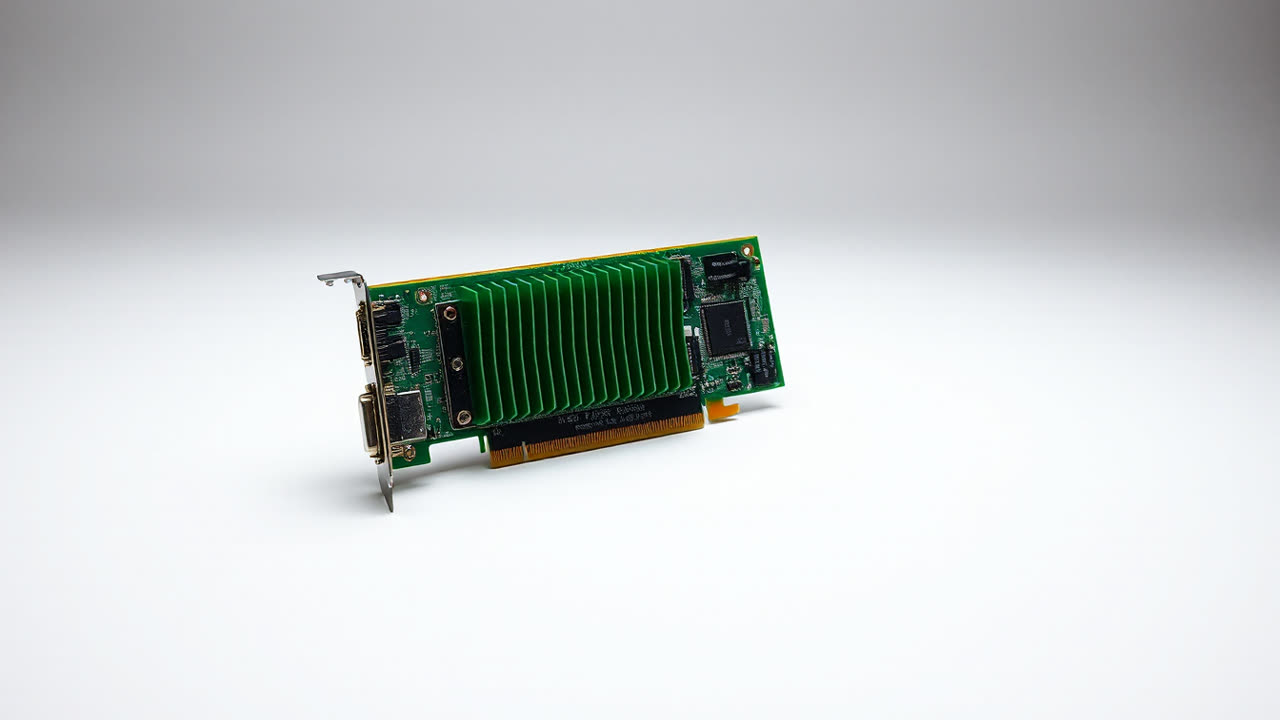
Twenty-five years after the demise of graphics pioneer 3dfx Interactive, the Voodoo 3 GPU has received a significant Linux driver update, enabling classic Voodoo graphics cards to boot without a traditional PC BIOS—a development that underscores the enduring, albeit niche, utility of vintage hardware in an increasingly software-defined world. This recent advancement, spearheaded by open-source developers, breathes new life into a quarter-century-old architecture, specifically targeting esoteric use cases within the retro-computing community and potentially opening avenues for embedded systems or specialized industrial applications where legacy hardware integration is paramount. The update itself is not merely a compatibility patch but a fundamental re-engineering of how these cards interface with modern systems, bypassing a dependency that has long tethered them to antiquated motherboard designs.
This development matters profoundly for several reasons, extending beyond mere nostalgia. For enthusiasts, it unlocks unprecedented flexibility, allowing Voodoo 3 cards, originally released in 1999, to be integrated into custom-built, non-standard retro rigs or even modern systems running bespoke Linux distributions without the constraints of legacy BIOS firmware. This is particularly relevant for projects like RISC-V or ARM-based retro-gaming platforms where traditional x86 BIOS compatibility is absent or difficult to emulate. The Voodoo 3, with its single-chip design, offered a compelling balance of 2D and 3D performance at its launch, boasting a 166MHz core clock and 16MB of SDRAM, making it a popular choice for games of the late 90s like *Quake III Arena* and *Unreal Tournament*. Its ability to operate independently of a PC BIOS transforms it from a historical artifact into a versatile component for experimental hardware setups, fostering innovation in hardware preservation and alternative computing architectures. For the broader industry, this driver update highlights the power of open-source development in extending the lifespan and utility of hardware long abandoned by its original manufacturers, challenging the planned obsolescence inherent in much of consumer electronics.
The original 3dfx Voodoo line, beginning with the Voodoo Graphics in 1996, revolutionized PC gaming by introducing dedicated 3D acceleration, initially as an add-on card working in conjunction with an existing 2D card. The Voodoo 3, launched in April 1999, integrated both 2D and 3D capabilities onto a single chip, competing directly with NVIDIA's TNT2 and ATI's Rage 128 Pro. While cards like the NVIDIA GeForce 256, released later that year, introduced hardware transform and lighting (T&L) and quickly surpassed the Voodoo 3 in raw performance, the 3dfx architecture was lauded for its image quality and Glide API, which offered superior performance in many contemporary titles. The new Linux driver update, therefore, isn't about making the Voodoo 3 competitive with modern GPUs but about maximizing its potential within its historical context and for specialized modern applications. Bypassing the BIOS dependency streamlines the boot process and reduces the system overhead, making the Voodoo 3 a more appealing option for minimalist retro-gaming builds or embedded systems where resource efficiency is critical.
Looking ahead, this driver update sets a precedent for how legacy hardware can be revitalized through community-driven open-source efforts. While not every vintage GPU will receive such focused attention, the success of the Voodoo 3 project could inspire similar initiatives for other iconic graphics cards or even other categories of historical PC components. We can anticipate a surge in custom retro-computing projects leveraging this newfound BIOS-free capability, potentially leading to the development of specialized mini-ITX or even single-board computer (SBC) form factors designed around these classic GPUs. Beyond hobbyist applications, there's a latent potential for industrial or scientific equipment that might still rely on specific graphical outputs or processing characteristics of older hardware, where the ability to integrate a Voodoo 3 without a full x86 BIOS stack could simplify system design and maintenance. The long-term outlook suggests a growing appreciation for the modularity and longevity of hardware, driven not by corporate roadmaps, but by the persistent ingenuity of the open-source community, ensuring that the legacy of pioneers like 3dfx continues to influence the digital landscape in unexpected and innovative ways.