Vox Group Unveils AI for Real-Time Multilingual Group Travel Translation
Vox Group, a 25-year-old guiding technology veteran, has unveiled an AI-powered solution poised to finally crack the long-standing conundrum of real-time multi-language translation for group travel, a challenge that has historically limited the inclusivity and quality of guided experiences.
✨ This content was summarized and interpreted by AI; it may contain errors — please verify accuracy with the original sources. Learn more
Listen to this story
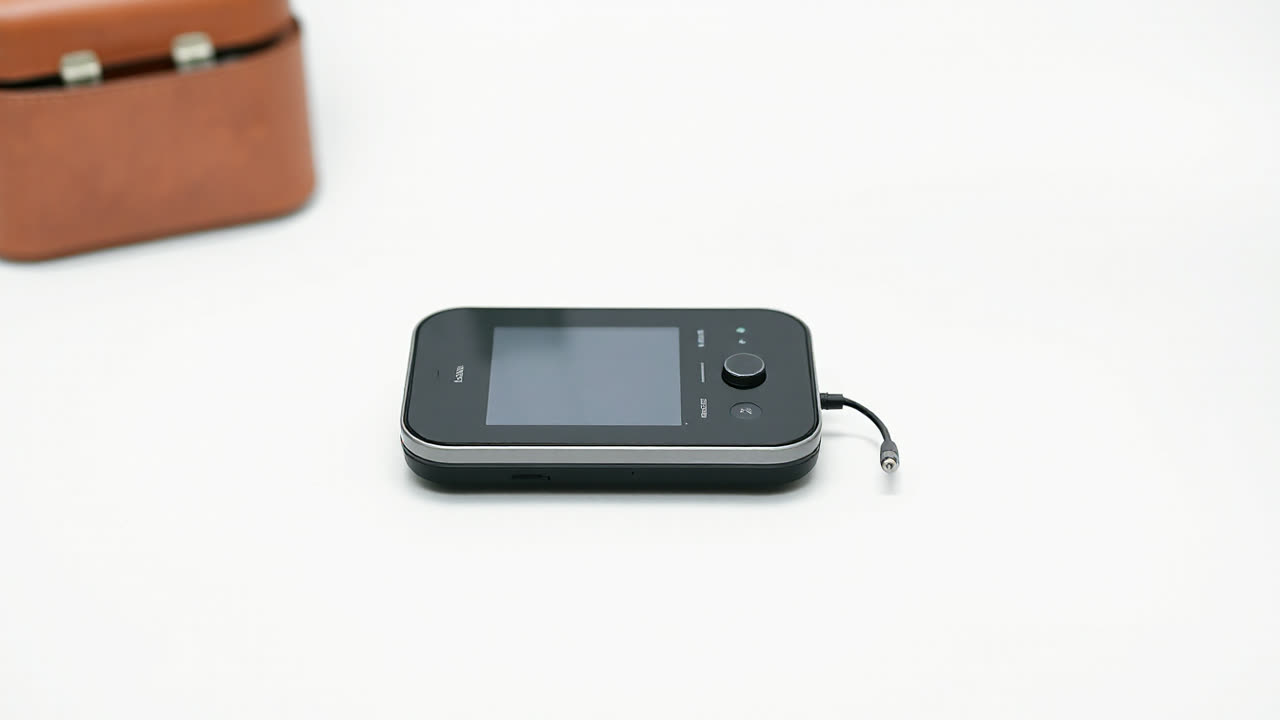
Vox Group, a 25-year-old guiding technology veteran, has unveiled an AI-powered solution poised to finally crack the long-standing conundrum of real-time multi-language translation for group travel, a challenge that has historically limited the inclusivity and quality of guided experiences. This innovation directly addresses the logistical nightmare faced by tour operators attempting to cater to diverse linguistic groups simultaneously, where a single guide traditionally struggles to communicate effectively with everyone without resorting to time-consuming, fragmented explanations or the prohibitive cost of multiple human interpreters. The company's new system integrates advanced artificial intelligence to deliver instantaneous audio translation, enabling a tour guide to speak in one language while participants receive the information in their preferred tongue through individual devices, effectively creating a seamless, multilingual auditory experience.
The significance of this development extends far beyond mere convenience, fundamentally reshaping the economics and operational paradigms of the global tourism industry. For users, particularly international travelers, the Vox Group's technology promises a dramatically enhanced and more equitable experience. No longer will non-native speakers feel sidelined or miss crucial cultural nuances due to language barriers. This fosters deeper engagement, greater satisfaction, and a more profound understanding of the destination. Imagine a mixed group from Japan, Germany, and Brazil exploring the Roman Forum; instead of a guide repeating explanations in three languages or relying on a single, often inadequate, common language, each participant now receives a clear, immediate translation tailored to them. This level of personalized understanding elevates the entire travel narrative, moving beyond transactional sightseeing to genuine cultural immersion. The psychological impact of feeling fully included and understood, rather than perpetually relying on fragmented comprehension, is immeasurable for the traveler.
From an industry perspective, the impact is transformative. Tour operators, who have long grappled with the high costs and logistical complexities of multilingual tours, can now significantly streamline their operations and expand their market reach. Traditional solutions involved either hiring multiple guides, each speaking a different language, or employing human interpreters, both of which incur substantial labor costs and often lead to scheduling complexities and reduced group sizes. For instance, the average cost of a professional human interpreter can range from $75 to $200 per hour, making multi-language tours economically unviable for many smaller operators or budget-conscious excursions. Vox Group's AI solution, by contrast, offers a scalable, one-to-many translation model that drastically reduces these overheads. This efficiency allows operators to offer more inclusive tours at competitive prices, potentially attracting a broader demographic of international travelers. Furthermore, it unlocks new revenue streams by enabling operators to market a single tour product to a global audience, rather than developing separate tours for each language group. This operational agility is a game-changer in a post-pandemic travel landscape demanding greater flexibility and cost-effectiveness.
Historically, real-time translation in group travel has been rudimentary at best. Prior generations relied heavily on human guides attempting to speak multiple languages, often leading to diluted content and extended tour durations. Early electronic solutions, such as basic audio guides, were pre-recorded and lacked the spontaneity and interactive element of a live guide. More recent attempts have included rudimentary translation apps on smartphones, but these often suffer from latency issues, poor audio quality in noisy environments, and the inherent distraction of looking at a screen rather than the surroundings. Vox Group’s approach, building on its 25-year expertise in tour guiding technology, integrates directly with its existing tour guide communication systems, ensuring robust audio transmission and minimal latency. While competitors like Google Translate and Microsoft Translator offer impressive general-purpose real-time translation, their application for dynamic, high-fidelity group tour environments has been limited by factors such as device dependency, battery life, and the need for consistent internet connectivity, which isn't always reliable in remote tourist locations or large historical sites. Vox Group's integrated hardware and AI-driven software, designed specifically for the rigors of group travel, offers a more robust and reliable solution than general-purpose consumer applications.
Looking ahead, the implications are profound. This technology is not merely a niche solution but a significant step towards truly democratizing global travel experiences. We can anticipate an acceleration in the adoption of similar AI-powered translation systems across various sectors of the travel industry, from cruise lines offering shore excursions to corporate event organizers managing international delegations. The continuous improvement of AI translation models, driven by advancements in natural language processing and machine learning, will further refine accuracy and reduce latency, making the translated experience virtually indistinguishable from listening to a native speaker. The next frontier will likely involve integrating these capabilities directly into wearable tech or augmented reality glasses, offering even more discreet and immersive translation. Furthermore, the data collected from these systems, anonymized and aggregated, could provide invaluable insights into traveler preferences and linguistic needs, enabling tour operators to further customize and optimize their offerings. Vox Group's pioneering move marks a pivotal moment, transforming what was once an intractable problem into a solvable challenge, and ushering in an era of truly inclusive, multi-sensory global exploration.