Wacom's Movinkpad 11 Redefines Mid-Tier Digital Art Tablets with OLED Display
Wacom's new Movinkpad 11 sets a new benchmark for mid-tier digital art display tablets, offering an 11.6-inch OLED screen and Pro Pen 3 technology at $799.99, directly challenging competitors and democratizing access to professional-grade features.
✨ This content was summarized and interpreted by AI; it may contain errors — please verify accuracy with the original sources. Learn more
Listen to this story
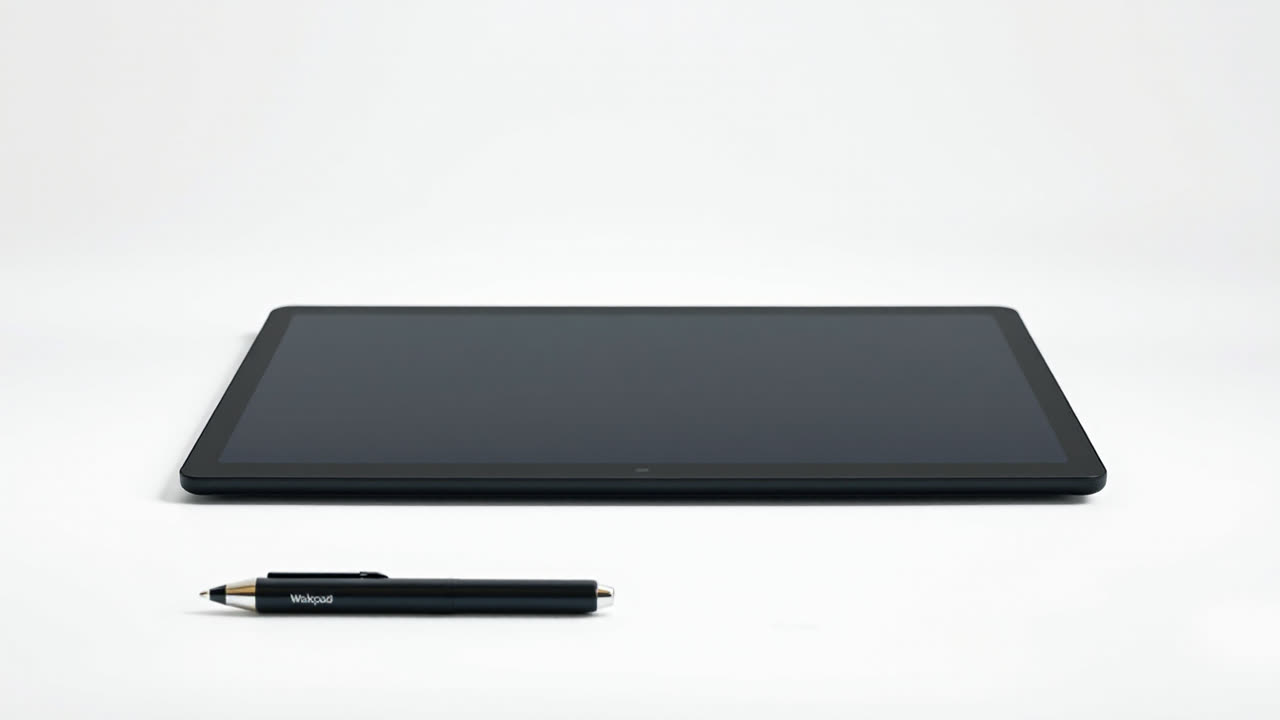
Wacom's new Movinkpad 11, launched today, establishes a compelling new mid-tier benchmark for digital art display tablets, positioning itself as a portable, feature-rich device priced at $799.99. This strategic introduction directly addresses the growing demand for capable, yet accessible, display solutions for a burgeoning demographic of digital artists who find professional-grade Cintiq Pro models financially prohibitive and basic pen tablets lacking the immediacy of direct screen interaction. The Movinkpad 11 features an 11.6-inch OLED display, a significant upgrade from the LCD panels typically found in this price segment, offering true blacks, vibrant colors, and a 1,000,000:1 contrast ratio crucial for accurate color work. Coupled with a 120Hz refresh rate and a swift 1ms response time, the display promises a fluid and responsive drawing experience, minimizing parallax and input lag, which are critical factors for digital artists.
This move by Wacom is not merely an incremental product update; it represents a calculated maneuver to reassert dominance in a market increasingly fragmented by aggressive competitors like Huion and XP-Pen. For years, Wacom’s premium Cintiq line has been the industry standard, but its high price point has left a substantial gap for more affordable, feature-packed alternatives. The Movinkpad 11, with its Pro Pen 3 technology offering 8,192 levels of pressure sensitivity and tilt recognition, brings professional-grade pen performance to a more approachable price, directly challenging rivals that have historically offered similar specifications at lower costs but often with compromises in build quality, driver stability, or ecosystem integration. The inclusion of a USB-C port for single-cable connectivity, providing both power and video, enhances its portability and ease of setup, catering to artists who work across multiple devices or in varied locations. This versatility, combined with its slim 4.4mm profile and lightweight 420g design, makes it an ideal companion for creative professionals on the go, or students seeking a robust yet portable solution.
The impact on users is profound, democratizing access to a higher quality digital art experience without the customary premium. Previously, artists seeking an integrated display for under $1,000 often had to contend with less accurate color reproduction, lower refresh rates, and less refined pen experiences from competing brands or older Wacom models like the entry-level Wacom One. The Movinkpad 11 effectively bridges the gap between the basic Wacom One (which typically features an LCD and a less advanced pen) and the more expensive Cintiq Pro 13 or 16, which can cost upwards of $1,200 to $1,800. By offering an OLED display, Wacom provides an unparalleled visual fidelity at this price point, giving artists a truer representation of their work, which is invaluable for color-critical tasks such as illustration, graphic design, and photo editing. This positions the Movinkpad 11 not just as a "fun" device, but as a serious tool for aspiring and semi-professional artists who demand performance without breaking the bank.
From an industry perspective, the Movinkpad 11 signifies Wacom's renewed commitment to innovation in the mid-range segment, a space where they have faced significant pressure. This product could force competitors to accelerate their own development cycles, potentially leading to a new wave of advanced, affordable display tablets across the market. Wacom's ability to integrate an OLED panel at this price point suggests optimized manufacturing processes or strategic sourcing, which could set a new standard for display quality in this category. Furthermore, by offering Pro Pen 3 support, Wacom is ensuring that its core pen technology, a key differentiator, remains accessible to a broader user base, potentially locking in future customers who might otherwise have migrated to alternative ecosystems. The Movinkpad 11’s connectivity options, including compatibility with Windows, macOS, and select Android devices, also broaden its appeal, making it a versatile hub for various creative workflows.
Looking ahead, the Movinkpad 11 is likely to serve as a blueprint for Wacom's future mid-range offerings. We can anticipate subsequent iterations exploring larger screen sizes with similar OLED technology, or potentially even more compact, ultra-portable versions for niche applications. The success of this model could also prompt Wacom to further segment its product lines, perhaps introducing "Pro" versions of the Movinkpad with additional features like customizable express keys or enhanced touch capabilities. The competitive landscape will undoubtedly react, with rivals likely scrambling to integrate OLED technology into their own sub-$1,000 display tablets, potentially driving down costs even further and fostering a healthy innovation cycle. Ultimately, the Movinkpad 11 represents a pivotal moment for Wacom, demonstrating its capacity to innovate outside its premium tier and solidify its position as a leader in digital art hardware, ensuring that sophisticated tools become more attainable for the next generation of creative talent.