Waymo Eliminates Waitlist for Robotaxi Service in Dallas
Waymo has opened its fully autonomous robotaxi service to all residents in Dallas, making it the third major U.S. city with immediate access to its driverless vehicles and accelerating its national and international expansion strategy.
✨ This content was summarized and interpreted by AI; it may contain errors — please verify accuracy with the original sources. Learn more
Listen to this story
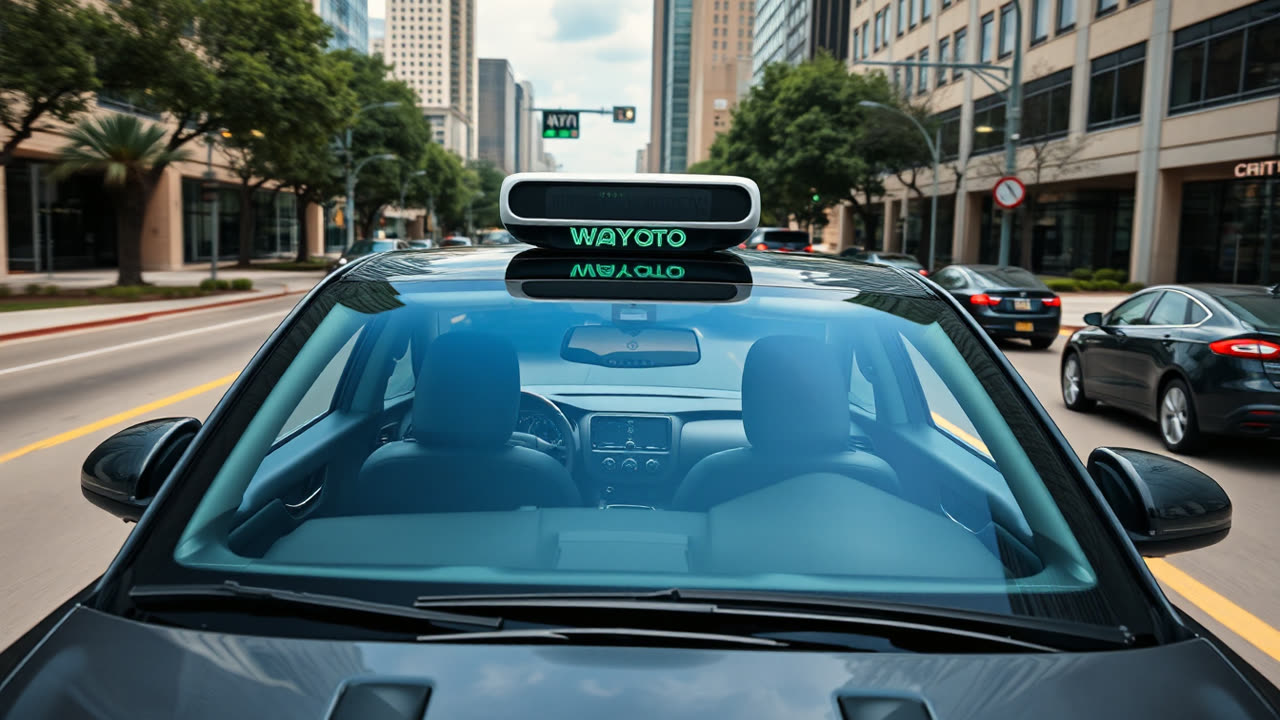
Waymo has eliminated the waitlist for its fully autonomous robotaxi service in Dallas, marking a significant acceleration in the company's aggressive strategy to scale its self-driving technology across major urban centers in the United States, and potentially into the United Kingdom and Europe. This move transforms Dallas into Waymo's third major public market where its driverless vehicles are immediately accessible to anyone, following established operations in Phoenix and San Francisco, and a limited rollout in Los Angeles. The immediate availability in a sprawling metropolis like Dallas, a city known for its car-centric culture and extensive highway networks, represents a crucial test of Waymo’s operational maturity and its ability to integrate seamlessly into complex traffic environments without human safety drivers.
The decision to open up Dallas universally underscores Waymo's confidence in its fifth-generation Driver, a proprietary hardware and software stack that has accumulated billions of miles in real-world and simulated driving. This iteration boasts enhanced sensor capabilities, including improved lidar, radar, and camera systems, offering a 360-degree view and robust perception in varied weather conditions and lighting. For users, this means not just convenience, but a tangible shift in personal mobility: on-demand, driverless transportation available 24/7 at competitive pricing, potentially alleviating parking woes and reducing reliance on personal vehicle ownership for some segments of the population. The impact on urban infrastructure could be profound, with fewer privately owned cars on the road leading to reduced congestion and a potential repurposing of valuable urban real estate currently dedicated to parking. Furthermore, Waymo’s commitment to electrifying its fleet, primarily using Jaguar I-PACE and Chrysler Pacifica Hybrid vehicles, contributes to urban sustainability goals by reducing emissions compared to traditional ride-hailing services.
From an industry perspective, Waymo's Dallas expansion intensifies the race for autonomous vehicle (AV) dominance, particularly as rivals navigate their own scaling challenges. While Waymo has methodically expanded its service, its primary competitor, Cruise (backed by General Motors), has faced significant setbacks, including a nationwide operational pause and subsequent re-evaluations following a high-profile incident in San Francisco in late 2023. This has left a vacuum for Waymo to capitalize on, demonstrating a more cautious yet consistently progressing approach to deployment. Other players like Amazon's Zoox are testing in cities like Las Vegas and Seattle but have yet to achieve Waymo's scale of fully public, driverless operations across multiple major cities. Tesla, while boasting millions of vehicles equipped with its Full Self-Driving (FSD) beta software, still requires active human supervision and faces ongoing regulatory scrutiny, positioning it fundamentally differently from Waymo’s Level 4 autonomous service where no human intervention is required during operation. Waymo's strategy of focusing on specific operational design domains (ODDs) and gradually expanding within them, rather than a broad, unsupervised consumer rollout, appears to be yielding more consistent regulatory and public acceptance.
The Dallas launch also represents a significant step in Waymo's broader geographical ambitions. The company has expressed clear intentions to expand into the U.K. and Europe, though specific timelines remain fluid and contingent on navigating diverse regulatory landscapes and infrastructure variations. The Dallas operation, with its blend of dense urban core, extensive suburban areas, and complex highway interchanges, serves as a crucial proving ground for the adaptability of Waymo’s Driver in environments that share characteristics with potential European markets. The financial implications are substantial; Waymo, a subsidiary of Alphabet, continues to attract significant investment, with the parent company reporting a strong commitment to its "other bets" category, which includes Waymo. As the service scales, the potential for profitability through reduced operational costs compared to human-driven ride-hailing becomes increasingly viable, though the initial capital expenditure for fleet deployment and mapping remains immense.
Looking ahead, the success in Dallas will be a key indicator for Waymo's trajectory. Further expansions are anticipated in cities where Waymo has already established testing operations or secured initial regulatory approvals, such as the broader Los Angeles area and potentially Austin. The industry will be closely watching how Waymo handles the increased demand and the inevitable operational challenges that come with serving a larger, diverse customer base without a safety net of human operators. The long-term vision includes not just robotaxis but also autonomous trucking (Waymo Via), leveraging the same core technology to disrupt logistics. The key to widespread adoption will hinge on continued technological refinement, robust safety records, and perhaps most importantly, building public trust through consistent, reliable, and transparent service. The Dallas milestone is not merely about dropping a waitlist; it's a testament to Waymo's persistent execution and a clear signal that fully autonomous mobility is moving from niche pilot programs to a more accessible, everyday reality, albeit one city at a time.