Waymo Launches Fully Autonomous Robotaxi Service in Las Vegas, Including Airport
Waymo's driverless Jaguar I-Pace fleet now operates across the Las Vegas Strip, downtown, and Harry Reid International Airport, marking its 15th commercial market.
✨ This content was summarized and interpreted by AI; it may contain errors — please verify accuracy with the original sources. Learn more
Listen to this story
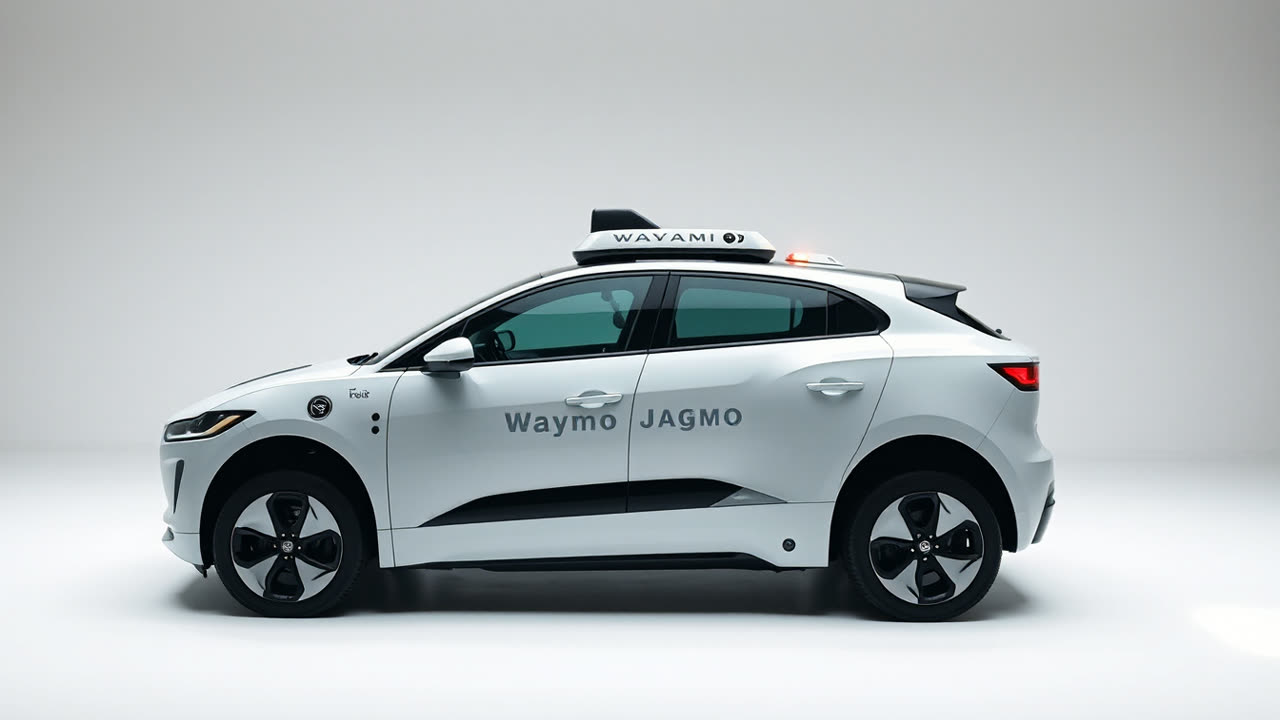
Waymo has commenced its fully autonomous robotaxi service in Las Vegas, marking its 15th commercial market and significantly expanding its operational footprint in a city synonymous with high-volume tourism and 24/7 demand. This latest expansion, following a period of testing and mapping, introduces Waymo's driverless Jaguar I-Pace fleet to a sprawling service area encompassing the Las Vegas Strip, downtown, and the airport, a crucial integration for a city heavily reliant on visitor transportation. The move into Las Vegas is not merely an incremental addition to Waymo's portfolio; it represents a strategic pivot towards high-density, dynamic urban environments, further solidifying its lead in commercializing Level 4 autonomous technology and challenging the traditional taxi and ride-hailing incumbents in one of the world's most lucrative transportation markets.
The decision to launch in Las Vegas underscores Waymo's confidence in its fifth-generation Waymo Driver technology, which has accumulated over 20 million fully autonomous miles on public roads across its operational cities. Unlike its initial, more conservative rollouts in Phoenix and San Francisco, Waymo's Las Vegas service is expected to immediately cater to a diverse user base, from tourists navigating the Strip to locals commuting within the city. The integration of the Harry Reid International Airport (LAS) into the service zone is particularly impactful, addressing a key pain point for travelers and directly competing with human-driven ride-shares and taxis for a substantial portion of the city's 40 million annual visitors. This direct airport access could significantly accelerate user adoption rates, as visitors often prioritize convenience and novelty, while potentially alleviating traffic congestion around one of the nation's busiest airports. The economic implications for Las Vegas are substantial; reduced labor costs for transportation services could translate to more competitive pricing, while the novelty of robotaxis could become an additional draw for tourists, further cementing the city's reputation as an an innovation hub.
Waymo's methodical expansion contrasts sharply with the more aggressive, sometimes turbulent, approaches of rivals. While Cruise, a subsidiary of General Motors, has faced significant setbacks and operational pauses, Waymo has consistently prioritized safety and incremental growth, allowing it to build regulatory trust and public acceptance. In San Francisco, Waymo's operations have steadily grown, even as Cruise grappled with regulatory scrutiny and public incidents. Zoox, Amazon's autonomous vehicle subsidiary, has also been testing in Las Vegas, albeit without a public commercial launch of comparable scale, indicating Waymo's current lead in broad commercial deployment. Tesla's Full Self-Driving (FSD) system, while widely available to consumers, operates under a different paradigm, requiring active human supervision and not yet qualifying as a Level 4 robotaxi service. Waymo's strategy of launching fully driverless, commercially available services in carefully selected, complex urban environments demonstrates a more mature and sustainable path to widespread autonomous vehicle adoption. The Las Vegas environment, with its unique blend of constant activity, diverse road users, and specific entertainment-driven traffic patterns, will serve as a robust testbed for the Waymo Driver's ability to operate reliably under pressure, providing invaluable data for future scalability.
Looking ahead, Waymo's success in Las Vegas will likely dictate the pace of its further expansion into other major urban centers, particularly those with high tourism volumes or dense populations that could benefit from efficient, 24/7 autonomous transportation. The company's ability to maintain high service reliability, competitive pricing, and a strong safety record in such a demanding environment will be critical. We can anticipate Waymo leveraging its Las Vegas experience to refine its operational models, including dynamic pricing strategies and fleet management algorithms tailored for peak demand periods, such as major conventions or holiday weekends. Furthermore, the integration of robotaxis into existing smart city infrastructure will become increasingly important, potentially leading to partnerships with local governments for optimized traffic flow and public transit solutions. The long-term outlook suggests a continued consolidation of the robotaxi market around a few key players with robust technology and a proven track record, with Waymo firmly positioned at the forefront, pushing the industry closer to a future where autonomous vehicles are a ubiquitous and indispensable part of urban mobility.