Waymo Launches Fully Driverless Operations in Las Vegas, Eyes Multi-City Expansion
Waymo's autonomous ride-hailing service is now fully driverless in Las Vegas, with Denver, San Diego, and Tampa next in line for public rollout.
✨ This content was summarized and interpreted by AI; it may contain errors — please verify accuracy with the original sources. Learn more
Listen to this story
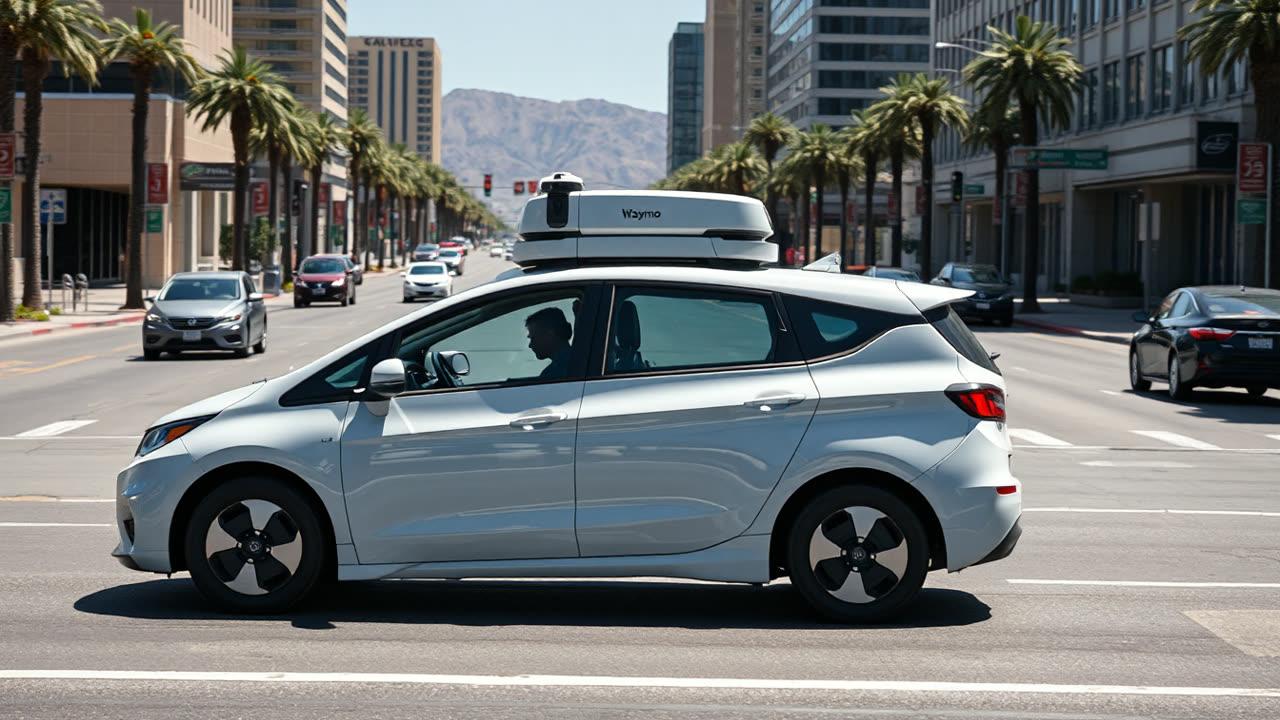
Waymo has officially activated fully driverless operations in Las Vegas, marking a significant expansion of its autonomous ride-hailing service with vehicles now navigating the city's bustling streets without a human safety driver at the wheel. This move is a clear signal of acceleration for the Alphabet unit, which has also confirmed Denver, San Diego, and Tampa are next in line for similar fully driverless rollouts, initially for Alphabet employees before becoming available to the public in the coming weeks. The rapid expansion underscores Waymo’s aggressive strategy to scale its commercial footprint across the United States.
This latest deployment adds to Waymo's growing list of operational cities, which already includes Phoenix, San Francisco, and Los Angeles, among others, demonstrating the maturation of its sixth-generation Waymo Driver technology. The company has logged over 200 million fully autonomous miles, showcasing a safety record that boasts 91% fewer serious-injury or fatal crashes compared to human-driven vehicles. Waymo's ambition is evident: it aims to surpass one million paid rides per week by the end of 2026, a target reinforced by this multi-city activation.
The move solidifies Waymo's position as a frontrunner in the autonomous vehicle race, starkly contrasting with competitors who often face delays and limited deployments. As Waymo continues to expand its independent, full-stack ride-hailing service, it not only pushes the boundaries of autonomous technology but also challenges conventional urban mobility. While the immediate focus is on service availability, the long-term implications for urban planning, traffic congestion, and environmental impact remain a critical discussion point for cities embracing this driverless future. This aggressive rollout suggests a tipping point for the industry, where the technology is no longer just a promise, but a rapidly expanding reality.