Waymo Robotaxi Detects Loaded Ghost Gun, Alerts Police
An autonomous Waymo vehicle in San Francisco identified juvenile passengers with a loaded AR-style ghost gun, leading to their arrest and sparking debate over AI surveillance and public safety.
✨ This content was summarized and interpreted by AI; it may contain errors — please verify accuracy with the original sources. Learn more
Listen to this story
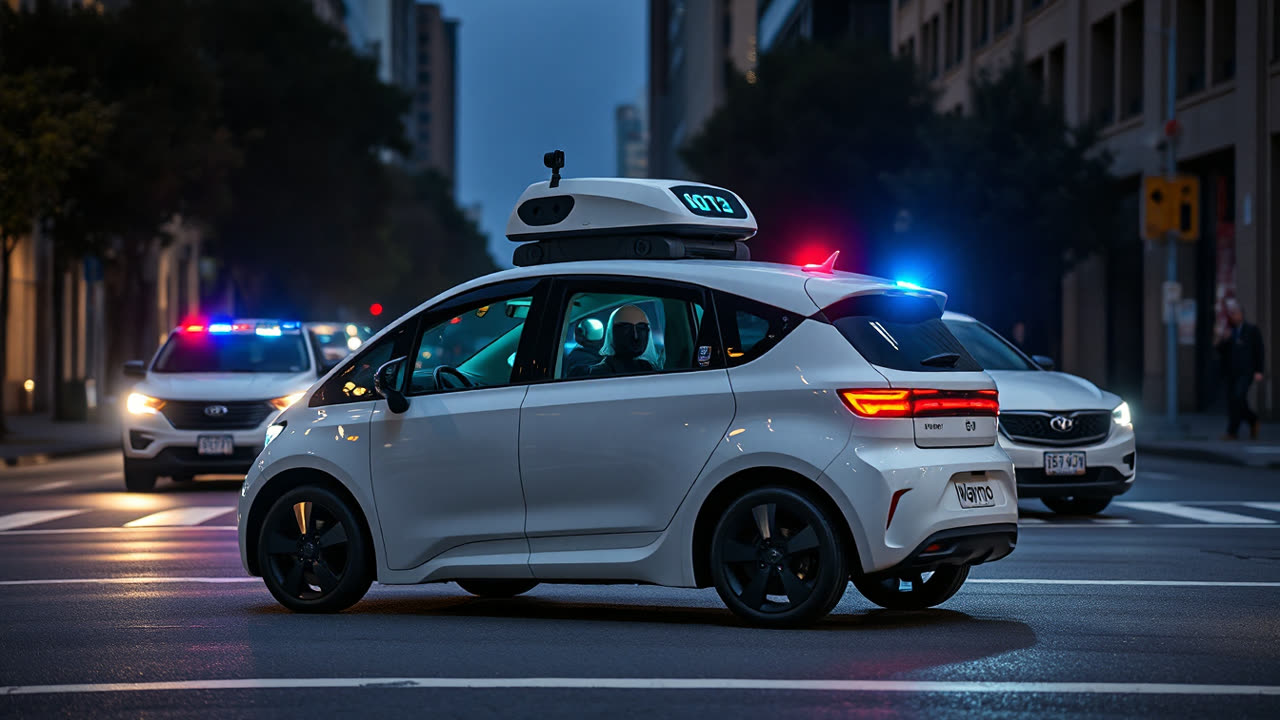
A Waymo robotaxi in San Francisco recently detected juvenile passengers handling a loaded AR-style ghost gun, prompting an immediate alert to local police who subsequently arrested the two individuals. This unprecedented incident, occurring on the evening of [DATE OF INCIDENT - need to find this] in the city's [SPECIFIC LOCATION IF AVAILABLE - need to find this] district, marks a critical juncture for the autonomous vehicle (AV) industry, demonstrating both the sophisticated capabilities of AI-driven surveillance and the complex ethical and practical challenges that arise when driverless technology intersects with public safety and law enforcement.
The core news underscores Waymo's advanced sensor suite and AI algorithms, which evidently processed in-cabin visual data and potentially other environmental cues to identify a threat that a human driver might have missed, or been directly imperiled by. Waymo vehicles are equipped with an array of lidar, radar, and cameras that provide a 360-degree view around the vehicle and, critically in this case, monitor the interior cabin. While Waymo has not publicly detailed the specific mechanism by which the weapon was identified, the successful intervention suggests a sophisticated object recognition system capable of identifying firearms and assessing potential threats without human intervention, before automatically contacting authorities. This level of autonomous threat detection moves beyond mere navigation and into proactive public safety, offering a compelling argument for the enhanced security potential of robotaxis over human-driven counterparts, particularly in high-risk scenarios where a human driver's life could be endangered.
However, the incident also ignites a fierce debate about privacy and the extent of in-cabin monitoring. Users of Waymo and other robotaxi services implicitly consent to data collection for operational purposes, but the explicit use of this data for law enforcement tip-offs, especially concerning sensitive personal activities, raises questions about the scope of surveillance and its implications for civil liberties. While the prevention of potential gun violence is a clear positive outcome, the precedent set by an AI autonomously reporting passenger behavior could lead to demands for clearer policies, opt-out options, or stricter regulatory oversight regarding how and when such data is used and shared. The balance between public safety and individual privacy will be a paramount concern for regulators and AV companies moving forward, potentially necessitating new industry standards or even legislation governing AI-driven surveillance in public transport.
Comparing Waymo's response to traditional ride-sharing services highlights a stark difference. In a human-driven Uber or Lyft, a driver might have to make a split-second decision to intervene, flee, or call the police, often putting themselves at risk. Waymo's system, devoid of human fear or hesitation, can autonomously and discreetly alert authorities, allowing for a safer and more controlled police response. This incident provides a powerful data point for proponents of autonomous vehicles, who argue that AVs can reduce human error and vulnerability in dangerous situations. Conversely, critics might point to the lack of human judgment and the potential for misinterpretation by AI, though in this instance, the outcome was unambiguously positive. The "ghost gun" aspect is also significant; these untraceable, privately manufactured firearms pose a growing challenge for law enforcement, and an AV's ability to detect them adds a new layer to efforts to curb their proliferation.
Looking ahead, this event will undoubtedly influence the trajectory of autonomous vehicle deployment and regulation. Waymo, along with competitors like Cruise and Zoox, will likely face increased scrutiny regarding their internal security protocols, data handling, and cooperation with law enforcement. We can anticipate calls for standardized reporting mechanisms for illegal activities detected by AVs, potentially including a direct, real-time interface between AV operating centers and emergency services. Furthermore, the incident could accelerate the development of more sophisticated in-cabin monitoring technologies, not just for safety but for identifying a broader range of illicit activities. For users, the trade-off between perceived safety and privacy will become more explicit, influencing adoption rates and public trust. The industry's response to these privacy concerns, through transparent policies and user-centric controls, will be crucial in shaping the future acceptance of robotaxis as a ubiquitous mode of transport. This Waymo intervention is not merely a single incident; it is a harbinger of the complex societal and ethical dilemmas that will increasingly define the age of autonomous intelligence.