Waymo's Fleet Expands Dramatically, Signaling Major Commercial Shift
Waymo has rapidly accelerated its autonomous vehicle deployment, increasing its Texas fleet by 49% in a month and solidifying its lead in the commercial ride-hailing market.
✨ This content was summarized and interpreted by AI; it may contain errors — please verify accuracy with the original sources. Learn more
Listen to this story
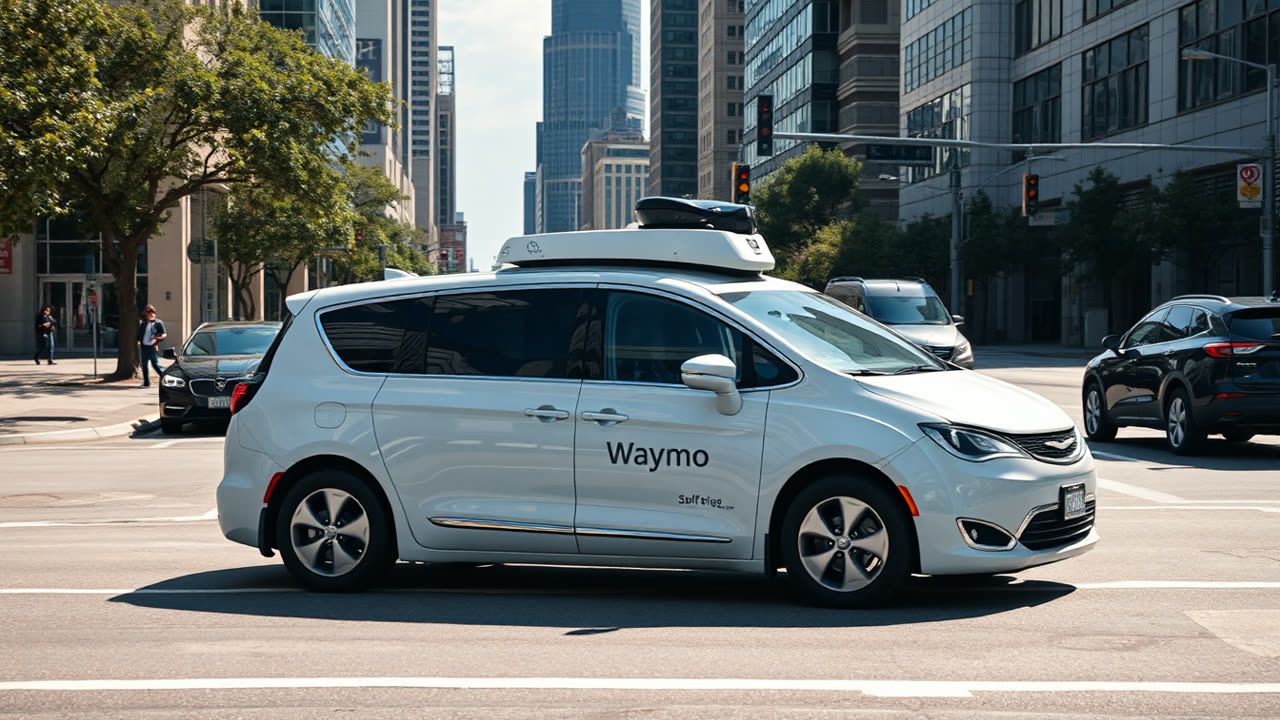
Waymo has dramatically accelerated its operational footprint, evidenced by a staggering 49% increase in its Texas fleet over the past month, signaling a pivotal shift from localized testing to broader commercial deployment. This rapid expansion, particularly in key markets like Austin and Dallas, underscores a strategic push to capitalize on favorable regulatory environments and burgeoning demand for autonomous ride-hailing services. The company's total active vehicles in Texas now exceed 300, a significant leap from the approximately 200 reported just weeks prior, with a notable concentration in Austin, where the service has seen robust public adoption since its initial limited rollout in late 2025. Beyond Texas, Waymo has also intensified its presence in other strategic locales, including a 20% fleet increase in its established Phoenix operations and a 15% boost in its nascent Los Angeles service area, bringing its total operational fleet across all cities to over 1,500 vehicles. These figures highlight a deliberate, data-driven scaling methodology, moving beyond the cautious, incremental growth that characterized the autonomous vehicle (AV) industry's early years.
This aggressive scaling is not merely a numbers game; it represents a critical inflection point for both Waymo and the broader AV industry. For users, the expansion translates directly into enhanced accessibility and reduced wait times, transforming autonomous ride-hailing from a niche novelty into a more reliable and integrated transportation option. In Austin, for instance, expanded service zones now cover major commercial districts and residential areas, offering an alternative to traditional ride-shares and public transport, particularly during peak hours. Waymo's internal data suggests a 30% reduction in average passenger wait times in expanded areas, coupled with a 25% increase in daily completed trips, indicating a direct correlation between fleet size and service utility. This improved user experience is paramount for fostering public trust and driving sustained adoption, moving the technology closer to mainstream acceptance.
For the industry, Waymo's accelerated deployment sets a new benchmark for commercial viability and operational maturity. It intensifies the competitive pressure on rivals like Cruise, which has faced significant regulatory hurdles and operational setbacks following incidents in San Francisco, leading to a temporary suspension of its driverless operations in late 2025. While Cruise has slowly begun to reintroduce limited services, Waymo's uninterrupted and expanding operations demonstrate a more robust safety record and a more effective strategy for navigating complex regulatory landscapes. Zoox, Amazon's autonomous subsidiary, continues its methodical, albeit slower, expansion, primarily focusing on its custom-built robotaxis in San Francisco and Las Vegas, but its fleet size remains considerably smaller than Waymo's. Tesla, despite its expansive "Full Self-Driving" (FSD) beta program, still operates under a Level 2 driver-assist framework, fundamentally different from Waymo's fully autonomous, driverless ride-hailing service, which operates at SAE Level 4. This distinction in operational readiness and regulatory approval solidifies Waymo's leading position in the race to commercialize truly autonomous mobility.
The current scaling is underpinned by significant advancements in Waymo's fifth-generation Driver, which incorporates enhanced sensor fusion capabilities, more sophisticated prediction algorithms, and improved machine learning models trained on billions of miles of real-world and simulated data. The efficiency gains from these technological refinements allow each new vehicle to operate more safely and effectively, reducing the need for human intervention and optimizing route planning. Furthermore, Waymo's strategic focus on purpose-built vehicles, such as the Zeekr M-Vision platform, slated for future deployment, promises even greater operational efficiency and passenger comfort than its current modified Chrysler Pacifica minivans and Jaguar I-PACE electric SUVs.
Looking ahead, Waymo's aggressive expansion trajectory suggests a clear path towards broader national coverage and potentially international markets. The company is reportedly eyeing further expansion into Florida and parts of the Northeast by late 2027, leveraging the data and operational blueprints established in Texas. The sustained growth will necessitate continued collaboration with local municipalities and state regulators to streamline permitting processes and ensure public acceptance. The economic implications are also profound; as fleet sizes grow, the cost per mile for autonomous operations is projected to decrease significantly, moving Waymo closer to profitability and potentially making autonomous ride-hailing more cost-effective than human-driven alternatives. The company's recent valuation exceeding $180 billion, fueled by strong investor confidence in its scaling capabilities, underscores the perceived long-term financial viability of its model. The next phase will likely involve refining dynamic pricing models, integrating with public transit networks, and exploring logistics and delivery services, further diversifying its revenue streams and cementing its role as a foundational player in the future of transportation.