WhatsApp Rolls Out Unique Usernames, Enhancing Privacy
WhatsApp has officially begun allowing users to reserve unique usernames, enabling connections on the platform without sharing personal phone numbers.
✨ This content was summarized and interpreted by AI; it may contain errors — please verify accuracy with the original sources. Learn more
Listen to this story
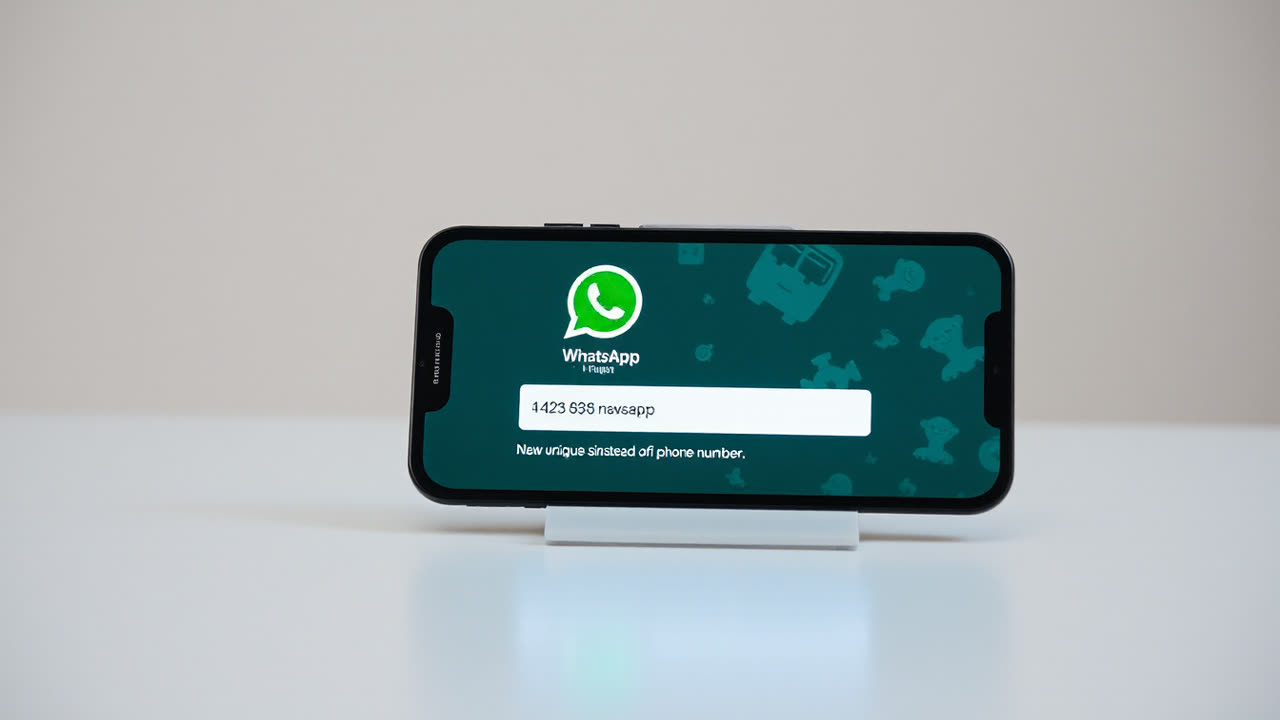
WhatsApp has officially begun allowing users to reserve unique usernames, a pivotal shift that will soon enable connections on the platform without the necessity of sharing a personal phone number. This long-anticipated feature, which quietly rolled out for reservation on June 29, 2026, marks a significant privacy enhancement, aligning the messaging giant with rivals like Telegram and Signal.
The immediate impact is substantial: users can now secure their preferred handle via the app's settings (Settings > Account > Username) ahead of the full feature launch later this year. This proactive reservation period is crucial, given WhatsApp's more than three billion users, ensuring a better chance for individuals to claim their desired identity. Once fully implemented, new contacts will only see a user's chosen username, keeping their phone number private unless explicitly shared. While a phone number remains essential for account creation, its visibility in new interactions will be eliminated, addressing a long-standing privacy concern.
This move represents more than just a new feature; it's a strategic evolution for WhatsApp. By decoupling identity from phone numbers, the platform facilitates safer interactions in group chats, online marketplaces, and casual acquaintances where sharing digits felt intrusive. The optional addition of a four-digit "username key" further bolsters security, requiring an extra credential for initial contact. For businesses and creators, the ability to claim existing Instagram or Facebook usernames offers brand consistency across Meta's ecosystem. This gradual rollout, expected to notify users as it becomes available in their region, positions WhatsApp as a more versatile and privacy-conscious communication tool, solidifying its role in an increasingly interconnected, yet privacy-demanding, digital landscape.