Windows 11 Users Gain Indefinite Update Deferral with New Patch Tuesday
Microsoft's latest Windows 11 update introduces a redesigned 'Pause updates' feature, allowing users to repeatedly extend deferral periods and avoid forced installations.
✨ This content was summarized and interpreted by AI; it may contain errors — please verify accuracy with the original sources. Learn more
Listen to this story
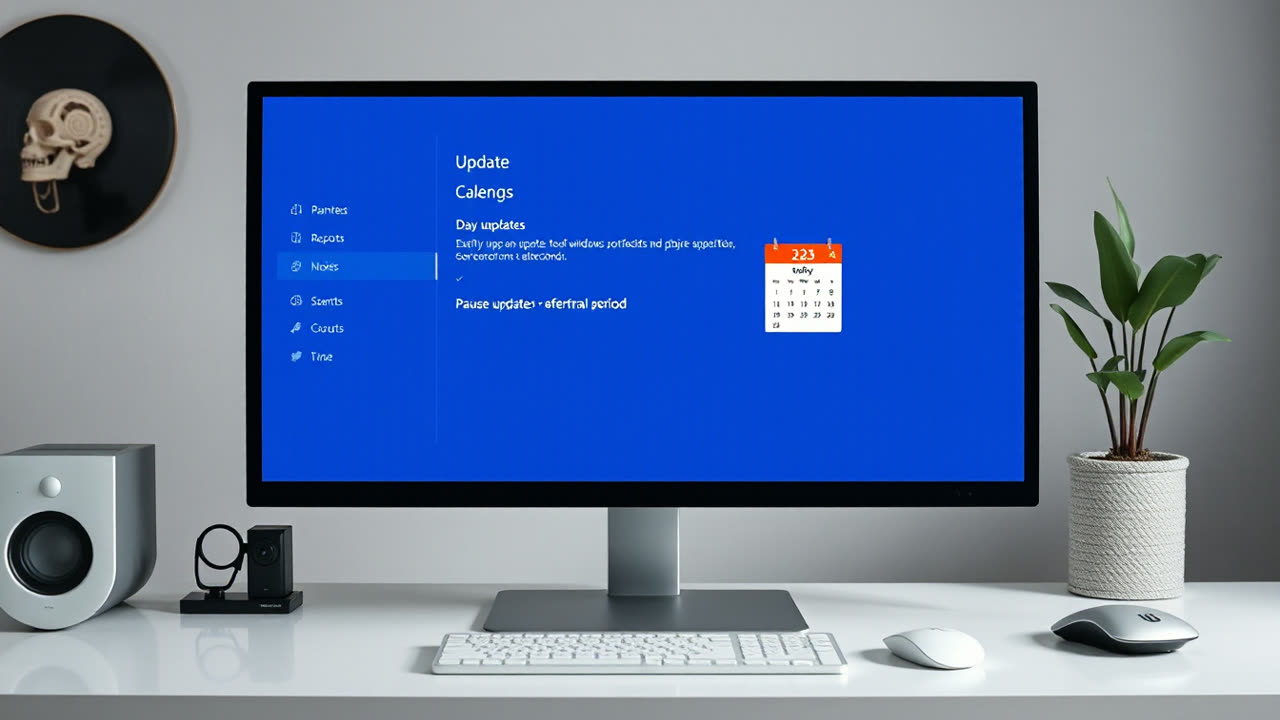
Windows 11 users can now effectively defer system updates indefinitely, marking a significant shift in Microsoft's update policy. The July 2026 Patch Tuesday update, released on July 14, introduces a redesigned "Pause updates" feature that allows users to repeatedly extend a 35-day deferral period via a new calendar interface in Windows Update settings. This means that while a single pause is still limited to 35 days, users are no longer forced to install pending updates before re-pausing, effectively removing the previous rigid update cycle.
This substantial update, identified as KB5101650 for versions 25H2/24H2 and KB5099414 for 23H2, brings a host of other critical improvements beyond the enhanced update controls. A standout feature is the broader rollout of "Point-in-time Restore," enabling users to quickly revert their PC, including apps and settings, to an automatic restore point captured within the last 72 hours. Additionally, the update delivers a "quieter" Widgets experience by preventing automatic opening on hover and minimizing notifications. Accessibility enhancements include a new Screen Tint feature to reduce eye strain and more precise Magnifier controls. File Explorer benefits from improved reliability and faster launching, alongside better Bluetooth connectivity, particularly for devices like AirPods and Beats Studio Pro.
This newfound flexibility in update management addresses a long-standing point of frustration for many Windows users, who previously faced disruptive forced reboots and limited deferral options. While granting users unprecedented control, it also introduces a delicate balance. Microsoft itself has recently cautioned against delaying updates for more than three days, citing the rapid rise of AI-driven exploitation of security vulnerabilities. This move empowers users to manage their workflow without interruption, but it places a greater onus on them to understand the security implications of prolonged deferrals in an increasingly complex threat landscape.