Xbox 360 Games Reportedly Coming to PC in Major Strategic Shift
Microsoft's reported initiative to bring Xbox 360 titles to PC marks a significant strategic pivot, extending beyond mere backward compatibility to lay foundational groundwork for an all-digital, platform-agnostic future that could redefine game ownership and accessibility, suggesting a broader industry shift where hardware increasingly serves as a gateway rather than a walled garden.
✨ This content was summarized and interpreted by AI; it may contain errors — please verify accuracy with the original sources. Learn more
Listen to this story
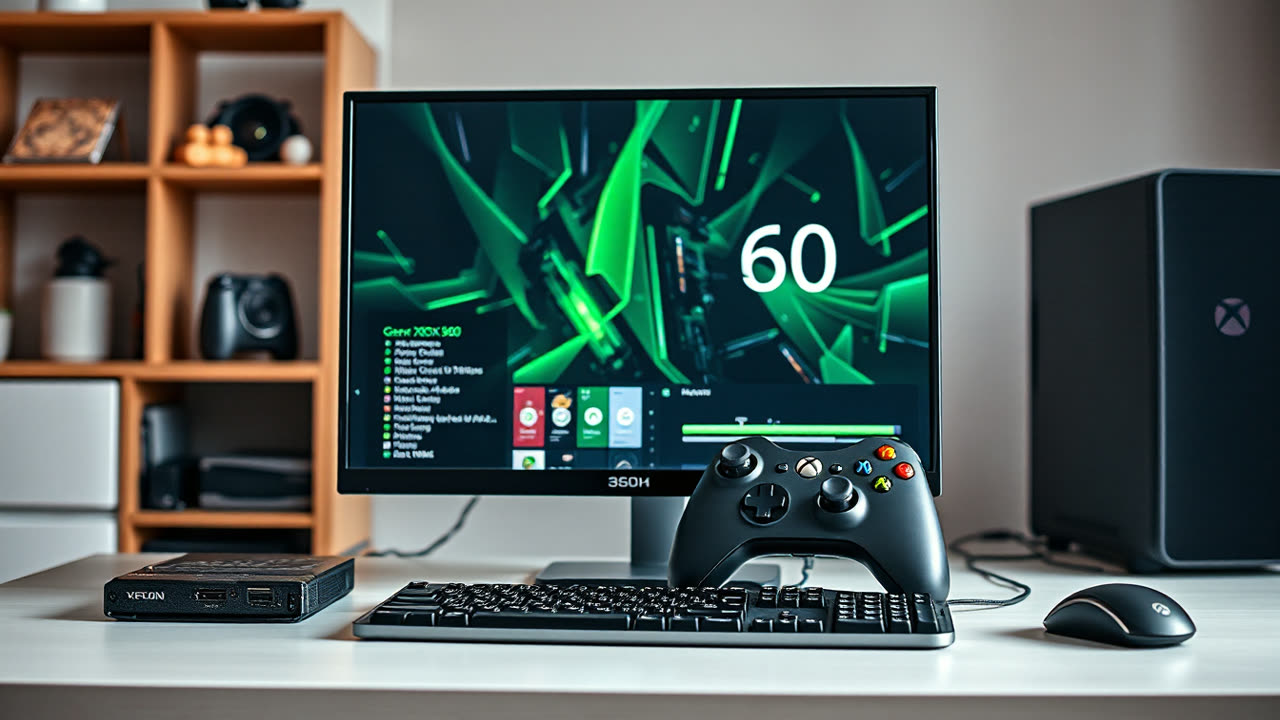
Microsoft's reported initiative to bring Xbox 360 titles to PC marks a significant strategic pivot, extending beyond mere backward compatibility to lay foundational groundwork for an all-digital, platform-agnostic future that could redefine game ownership and accessibility. This move, which parallels Sony's own explorations into cloud streaming and digital-only console iterations, suggests a broader industry shift where hardware increasingly serves as a gateway rather than a walled garden. The core news, initially surfacing as reports of Microsoft's internal efforts, points towards official emulation or sophisticated porting techniques enabling classic Xbox 360 games to run natively or via dedicated clients on Windows PCs. This is distinct from the existing Xbox Cloud Gaming service, which streams games, and instead implies a more robust, potentially downloadable experience, bringing a vast library of beloved titles to a new, expansive audience without requiring original hardware.
The implications for users are profound, primarily offering unprecedented access and preservation of gaming history. Millions of PC gamers who never owned an Xbox 360 will gain entry to critically acclaimed titles like *Red Dead Redemption*, *Mass Effect 2*, and *BioShock*, many of which remain exclusive to that console generation or its direct successors via backward compatibility. This significantly expands the addressable market for these older titles, potentially driving new sales for publishers and reinvigorating interest in dormant franchises. For existing Xbox users, it provides greater flexibility, allowing them to enjoy their digital purchases across more devices, reinforcing the value proposition of the Xbox ecosystem as a whole. Furthermore, it addresses the perennial issue of game preservation, as physical media degrades and older consoles become obsolete or difficult to maintain. By officially supporting these games on PC, Microsoft ensures their longevity and accessibility for future generations of players.
Industrially, this strategy underscores Microsoft's commitment to a "play anywhere" philosophy, a cornerstone of its Game Pass subscription service. While Game Pass already offers many Xbox 360 games via cloud streaming or downloadable versions on newer Xbox consoles, bringing them natively to PC further blurs the lines between console and PC gaming. This move positions Xbox more as a service and content provider than solely a hardware manufacturer, directly challenging traditional console-centric models. It also intensifies competition with rivals like Sony and Nintendo, who maintain more hardware-dependent ecosystems, although Sony has aggressively expanded its PC ports for PlayStation exclusives and heavily invested in cloud gaming through PlayStation Plus Premium. Unlike Sony's PC strategy, which primarily focuses on recent first-party titles, Microsoft's reported approach with 360 games on PC targets an older, more extensive library, creating a distinct value proposition. This is a crucial distinction, as it leverages a historical catalog rather than just contemporary blockbusters, offering a different kind of market expansion.
Comparing this to prior generations, Microsoft's initial Xbox 360 backward compatibility on Xbox One and Series X/S consoles was a significant technical achievement, involving sophisticated emulation layers. The extension of this capability to PC suggests a maturation of these emulation technologies or the development of more streamlined porting pipelines. This move is also a stark contrast to the early days of console gaming, where platform exclusivity was paramount and cross-platform play or library sharing was virtually non-existent. The current trend, exemplified by both Xbox and PlayStation bringing more titles to PC, reflects a growing recognition of the PC as a vital, high-growth gaming platform. This also positions Microsoft to capitalize on the massive PC gaming market, which often boasts higher hardware specifications and a broader user base than any single console generation.
Looking ahead, this initiative is a clear signal that Microsoft is doubling down on its long-term vision of an all-digital, interconnected gaming ecosystem. We can anticipate further integration between Xbox and PC platforms, potentially leading to unified storefronts for older titles, enhanced cross-progression features for supported games, and even more seamless transitions between playing on a console, PC, or cloud device. This could also pave the way for future Xbox console generations to be entirely digital, mirroring the trend seen with the Xbox Series S and PlayStation 5 Digital Edition. The success of bringing Xbox 360 games to PC will likely inform decisions about older Xbox and original PlayStation titles also finding their way to PC, further solidifying game preservation and access as core tenets of the industry. Ultimately, this strategic shift positions Microsoft to capture a larger share of the global gaming market by offering unparalleled flexibility and access to its extensive content library, regardless of the player's preferred hardware.