Xbox Cloud Gaming Arrives on TCL Smart TVs, Pilots Pay-As-You-Go Model
Microsoft is directly integrating its Xbox cloud gaming ecosystem into TCL smart TVs in 2024, alongside piloting a pay-as-you-go model, dramatically expanding access to high-fidelity titles without a console.
✨ This content was summarized and interpreted by AI; it may contain errors — please verify accuracy with the original sources. Learn more
Listen to this story
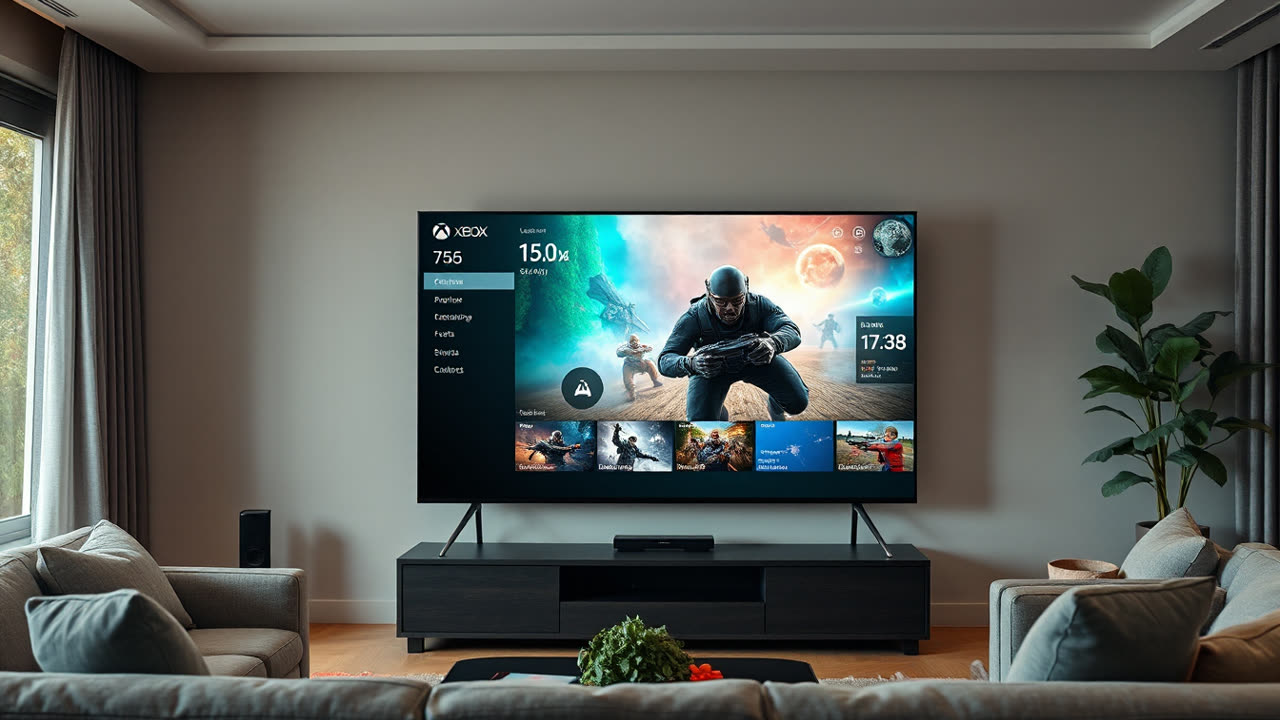
The Xbox app is slated to arrive on supported TCL smart TVs in 2024, directly integrating Microsoft's cloud gaming ecosystem into living rooms without the need for a dedicated console, a strategic move that significantly broadens the accessibility of Xbox Game Pass Ultimate just as Microsoft pilots a pay-as-you-go model for cloud gaming, potentially transforming how consumers access and pay for high-fidelity titles. This partnership with TCL, a major global TV manufacturer, marks a pivotal moment for Microsoft's console-agnostic vision, following an earlier, more limited collaboration with Samsung. The integration means users with compatible TCL TVs can directly stream Game Pass titles or select games they own, bypassing the initial hardware investment of an Xbox console. This move is particularly impactful in emerging markets where console penetration might be lower, or for casual gamers who prefer the convenience of an all-in-one entertainment solution.
The "why it matters" extends far beyond mere convenience; it fundamentally redefines the entry point into the Xbox ecosystem and accelerates the shift towards a service-oriented gaming future. By removing the console as a mandatory gatekeeper, Microsoft is not just selling games, but selling access to an experience, leveraging the ubiquitous smart TV as a primary delivery mechanism. This strategy dramatically expands the potential user base for Xbox Game Pass Ultimate, a subscription service that currently boasts over 34 million subscribers as of February 2023, offering a library of hundreds of games. The reported "pay-as-you-go" cloud gaming model, if widely implemented, represents an even more disruptive innovation. While specific details on this new payment structure are still emerging, it suggests a departure from the traditional subscription-only model, potentially allowing users to pay per hour or per session for cloud gaming, or to stream individual titles without a full Game Pass subscription. This flexibility could attract an entirely new demographic of casual gamers or those with limited disposable income, democratizing access to premium gaming content further. It also positions Xbox Cloud Gaming as a direct competitor to traditional streaming services, where content is consumed on-demand and often paid for transactionally.
Historically, Microsoft has been pushing the boundaries of cloud gaming since the inception of Project xCloud, which officially launched in September 2020 as part of Game Pass Ultimate. Early iterations focused on mobile devices and PCs, but the vision always included smart TVs. The prior generation of console gaming required significant upfront hardware investment, a barrier to entry that cloud gaming directly addresses. Compared to rivals, Amazon Luna offers a similar direct-to-TV approach, notably on Amazon Fire TVs, and Nvidia GeForce Now provides access to owned PC games across various devices, including some smart TVs via apps or Android TV boxes. PlayStation Plus Premium also includes cloud streaming for a subset of its library, primarily on PlayStation consoles and PC. However, Microsoft's aggressive expansion onto third-party smart TVs like TCL, coupled with the vast library of Game Pass and the potential pay-as-you-go model, gives it a distinct advantage in market reach and payment flexibility. The TCL partnership is significant because TCL has a substantial global market share in smart TVs, particularly in North America and parts of Asia, ensuring a wide potential audience.
The outlook for what comes next suggests a continued aggressive push into cloud gaming and device agnosticism from Microsoft. Expect to see further partnerships with other major TV manufacturers, potentially expanding beyond Samsung and TCL, as well as deeper integration with mobile ecosystems. The technical evolution of cloud gaming will also be critical; improvements in latency, streaming quality (e.g., higher resolutions and frame rates), and server infrastructure will be paramount to delivering a console-quality experience. As internet speeds improve globally, the viability of cloud gaming as a primary platform only strengthens. Microsoft's long-term strategy appears to be less about selling a physical box and more about selling an accessible, high-quality gaming service that can be consumed on any screen. This approach could fundamentally alter the console market, potentially leading to a future where dedicated gaming hardware becomes a niche for enthusiasts, while the majority of gamers access their content through smart TVs, mobile devices, and PCs via cloud streaming. The success of the pay-as-you-go model, in particular, will be a crucial indicator of future monetization strategies within the gaming industry, potentially inspiring similar flexible payment options from competitors and further eroding the traditional full-price game purchase model.