Xbox Reintroduces Disc-to-Digital Conversion, Reshaping Game Ownership
Xbox's re-introduction of a disc-to-digital conversion feature allows players to digitize their physical game libraries, marking a strategic shift to bridge legacy collections with modern disc-less console ecosystems.
✨ This content was summarized and interpreted by AI; it may contain errors — please verify accuracy with the original sources. Learn more
Listen to this story
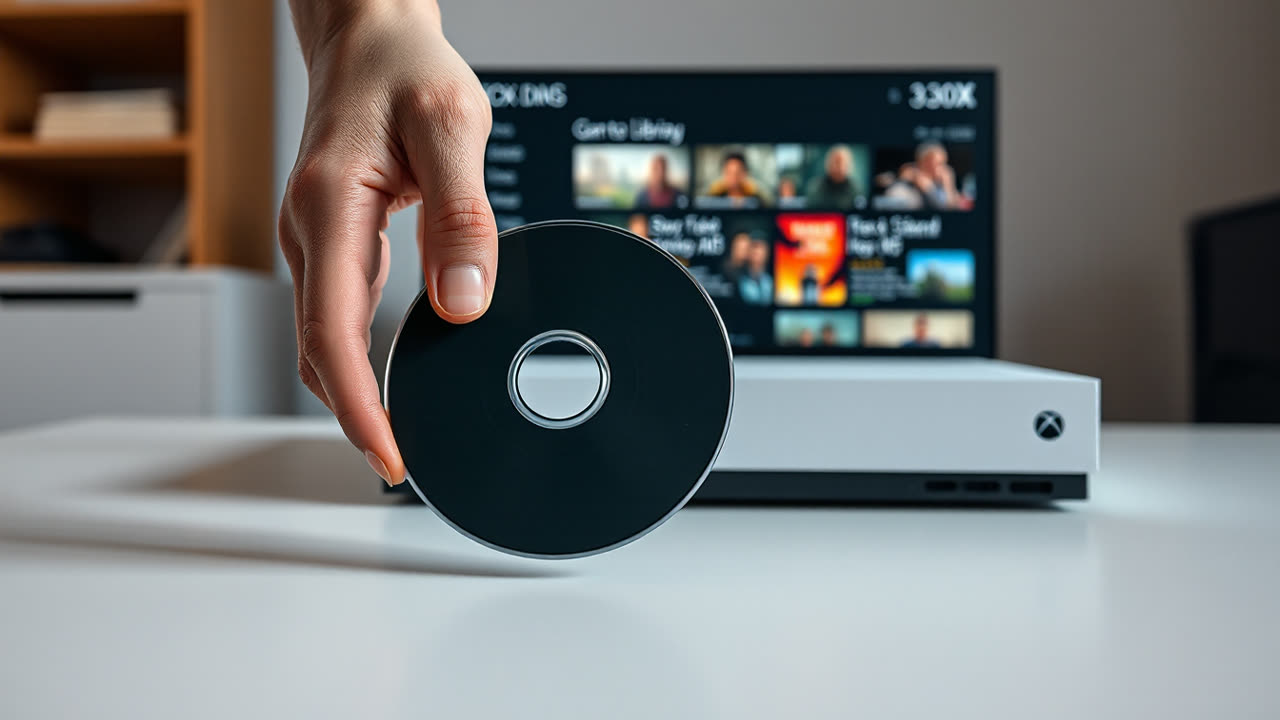
Xbox's recent re-introduction of a disc-to-digital conversion feature, enabling players to digitize their existing physical game libraries, marks a pivotal moment in the ongoing evolution of game ownership. This long-anticipated move, rooted in Microsoft's vision nearly 15 years ago with the original Xbox One reveal, directly addresses a persistent pain point for consumers navigating the increasingly digital landscape. While concrete details regarding the conversion process—such as potential fees, eligible titles, and regional availability—are still emerging, the mere existence of the program signals a significant strategic shift designed to bridge the gap between legacy collections and modern, disc-less console ecosystems.
The core impact on users is profound, offering a practical solution to the dilemma of physical media obsolescence. Many gamers possess extensive libraries of Xbox 360 and Xbox One discs, which become less convenient as consoles like the Xbox Series S or the rumored mid-generation Xbox Series X refresh eschew disc drives entirely. The disc-to-digital feature potentially unlocks these collections for play on digital-only hardware, extending their lifespan and value. This not only enhances consumer choice but also acts as a powerful incentive for players to remain within the Xbox ecosystem, mitigating the friction of moving to an all-digital future. For instance, a player with hundreds of physical Xbox One games might have hesitated to upgrade to an an Xbox Series S; now, they can potentially carry their entire library forward without repurchasing digital versions. This also inherently promotes game preservation, allowing titles that might otherwise be forgotten in disc binders to be readily accessible.
Industrially, this move is a calculated response to market forces and a direct challenge to Sony’s current strategy. While PlayStation offers a digital-only PlayStation 5, it provides no official pathway for converting existing physical games to digital licenses. This has created a clear competitive differentiator for Xbox, positioning it as the more consumer-friendly platform for those with hybrid collections. The revenue implications, however, are complex. While converting discs might not generate new game sales directly, it could drive increased engagement with the Xbox platform, potentially leading to higher subscriptions to services like Game Pass Ultimate or purchases of new digital titles. Microsoft has long embraced a service-oriented model, and facilitating access to existing libraries could bolster overall ecosystem stickiness. The system, if implemented with a small conversion fee per title, could also establish a new revenue stream, akin to a digital re-licensing charge.
The concept of disc-to-digital conversion is not new; it was a contentious part of the Xbox One's initial, ill-fated reveal in 2013. At the time, Microsoft envisioned a system where physical discs would install a game to a user's account, allowing them to play without the disc. However, this was coupled with restrictive DRM policies, including mandatory 24-hour online check-ins and limitations on game sharing, which led to significant consumer backlash and ultimately, a complete reversal of the policy. The current iteration, announced last month, appears to learn from those past mistakes by focusing solely on convenience and accessibility, rather than imposing new restrictions. This shift reflects a maturing understanding of consumer sentiment regarding digital rights and ownership. Compared to its rivals, particularly Sony, Xbox is now uniquely positioned to offer this bridge, as PlayStation has historically shown less inclination to integrate physical and digital ownership beyond backward compatibility.
Looking ahead, this feature could fundamentally reshape how consumers view game ownership and console design. If successful, it might accelerate the transition to disc-less consoles, making them more appealing to a broader audience who can now leverage their existing physical investments. This could also pave the way for more sophisticated digital rights management systems that offer greater flexibility without compromising publisher interests. We might see further innovations in digital game lending or trading, mirroring physical media's secondary market, albeit under controlled digital frameworks. The success of this disc-to-digital program will likely depend on its transparency, affordability, and the breadth of its game catalog support. If executed well, it could become a standard expectation for future console generations, forcing competitors to re-evaluate their own approaches to physical game libraries and cementing Xbox's reputation as a forward-thinking, player-centric platform.