Xbox's 'Disc to Digital' Feature Launches, Redefining Game Ownership by Linking Digital Access to Physical Discs
Xbox's new 'Disc to Digital' feature now allows all players to convert physical game discs into digital licenses tied to their profile, with the crucial condition that selling or losing the physical disc revokes access to the digital counterpart.
✨ This content was summarized and interpreted by AI; it may contain errors — please verify accuracy with the original sources. Learn more
Listen to this story
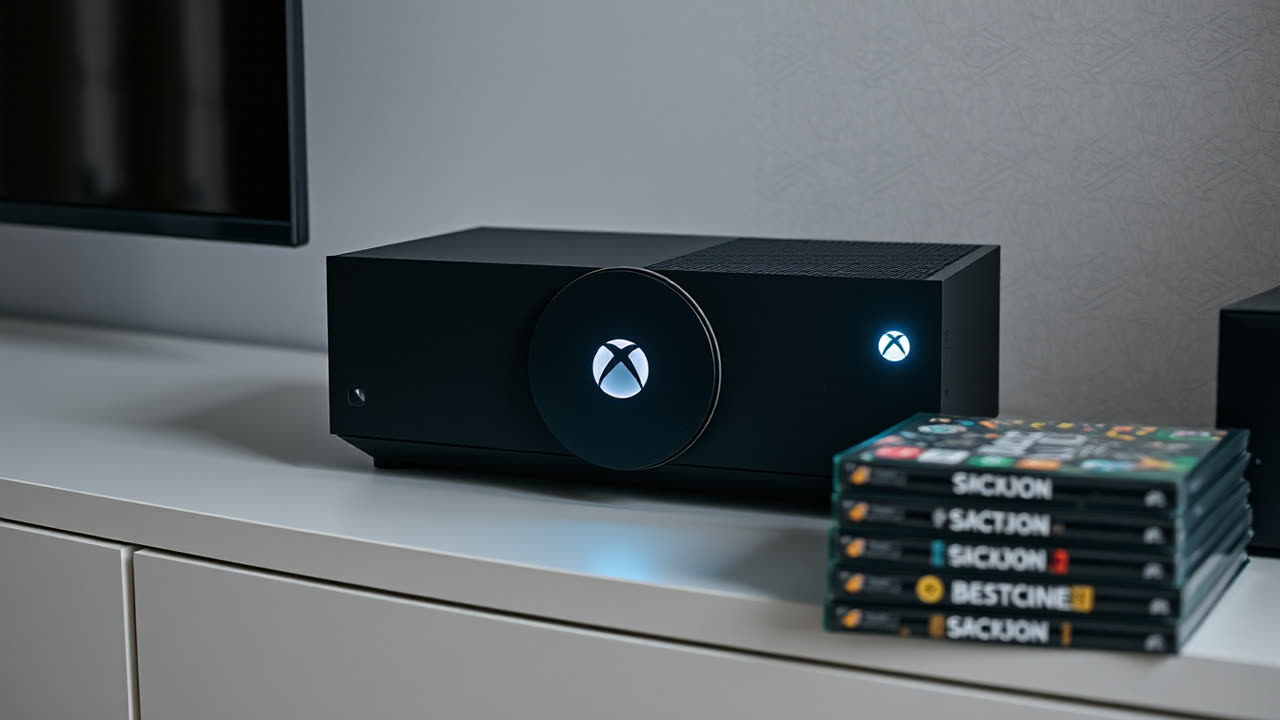
Xbox's "Disc to Digital" feature, now available to all Xbox players, introduces a significant shift in physical game ownership, allowing users to convert eligible disc-based titles into digital licenses tied to their Xbox profile, with the critical caveat that selling or losing the physical disc revokes access to the digital counterpart. This innovative, yet restrictive, system aims to bridge the gap between physical and digital libraries, offering the convenience of disc-free play while attempting to maintain the value proposition of physical media for publishers. The conversion process, which began its pilot phase in late 2025, requires users to insert their game disc into an Xbox Series X or Xbox One console, after which a digital license is assigned to their account, enabling subsequent play without the need for the physical disc. However, the digital license is inextricably linked to the continued ownership of the original disc, meaning that if the physical media is sold, traded, or reported lost, the associated digital entitlement is automatically revoked, a mechanism designed to prevent the proliferation of "free" digital copies from a single physical purchase.
This hybrid approach, while offering enhanced convenience for players who prefer a disc-free experience without fully committing to a digital-only ecosystem, introduces a complex layer of digital rights management (DRM) that has profound implications for user ownership and the secondary market. The immediate user benefit lies in decluttering entertainment spaces and streamlining game access, especially for those with disc-drive consoles who frequently swap games or travel. Players can enjoy their physical library without the wear and tear on discs or disc drives, and without the need to physically locate a specific disc for play. However, the "selling revokes access" clause fundamentally alters the traditional understanding of physical game ownership, where the resale value and the ability to lend or gift a game were core tenets. This new model essentially digitizes the *right to play* a physical game, rather than fully digitizing the *game itself* as an independent asset.
Microsoft's strategic move places it in stark contrast to Sony's increasingly aggressive pivot towards an all-digital future, with reports indicating PlayStation aims to phase out physical discs entirely by 2028. While Sony has already launched disc-less consoles like the PlayStation 5 Digital Edition and has been observed to be reducing physical game production, Xbox’s Disc to Digital feature represents a deliberate effort to prolong the relevance of physical media, albeit under new terms. This positions Xbox as a more accommodating platform for consumers who still value physical collections, offering a transitional path rather than a forced migration. The feature currently applies to a "select number of titles," primarily first-party Xbox games and some third-party releases, with Microsoft indicating an ongoing expansion of the eligible library. There is currently no stated cost for the conversion itself, with the process being presented as a value-add for existing disc owners.
From an industry perspective, this initiative attempts to mitigate the financial impact of the used game market on publishers, which has historically siphoned potential revenue from new game sales. By linking digital access to the continued ownership of the physical disc, Microsoft creates a deterrent against reselling physical games for profit while retaining digital access, thereby subtly encouraging new purchases or discouraging the secondary market. This could be a boon for publishers, potentially increasing their digital revenue streams without completely alienating physical media enthusiasts. However, it also raises concerns about consumer rights and the long-term viability of physical game preservation, as the utility of a disc becomes tied to an online service and Microsoft's continued support of the feature. Retailers, particularly those heavily reliant on used game sales, face a significant challenge, as this model erodes a core part of their business.
Looking ahead, this Disc to Digital program signals Microsoft's intent to maintain a degree of flexibility in its ecosystem, acknowledging diverse consumer preferences while gently nudging users towards digital convenience. It’s plausible that the list of eligible titles will grow significantly, and Microsoft might explore further hybrid models, perhaps even introducing a nominal fee for conversion for certain older or premium titles in the future. The success of this feature will likely hinge on its broad availability across titles and the clarity of its terms. Ultimately, while it offers a compelling convenience for many, the "selling revokes access" clause underscores a continuing industry trend towards redefining game ownership, shifting it from a tangible asset to a licensed service, even for physically purchased media. This innovative yet contentious feature sets a precedent for how console manufacturers might navigate the twilight years of physical media, offering a bridge to the digital future that still pays homage, however conditionally, to the disc's enduring legacy.