XREAL's Smart Glasses Redefine Home Entertainment with a Virtual 330-inch Screen
XREAL's latest smart glasses project a cinematic 330-inch virtual screen from a 78-gram device, aiming to replace traditional home entertainment setups with a portable, private viewing experience.
✨ This content was summarized and interpreted by AI; it may contain errors — please verify accuracy with the original sources. Learn more
Listen to this story
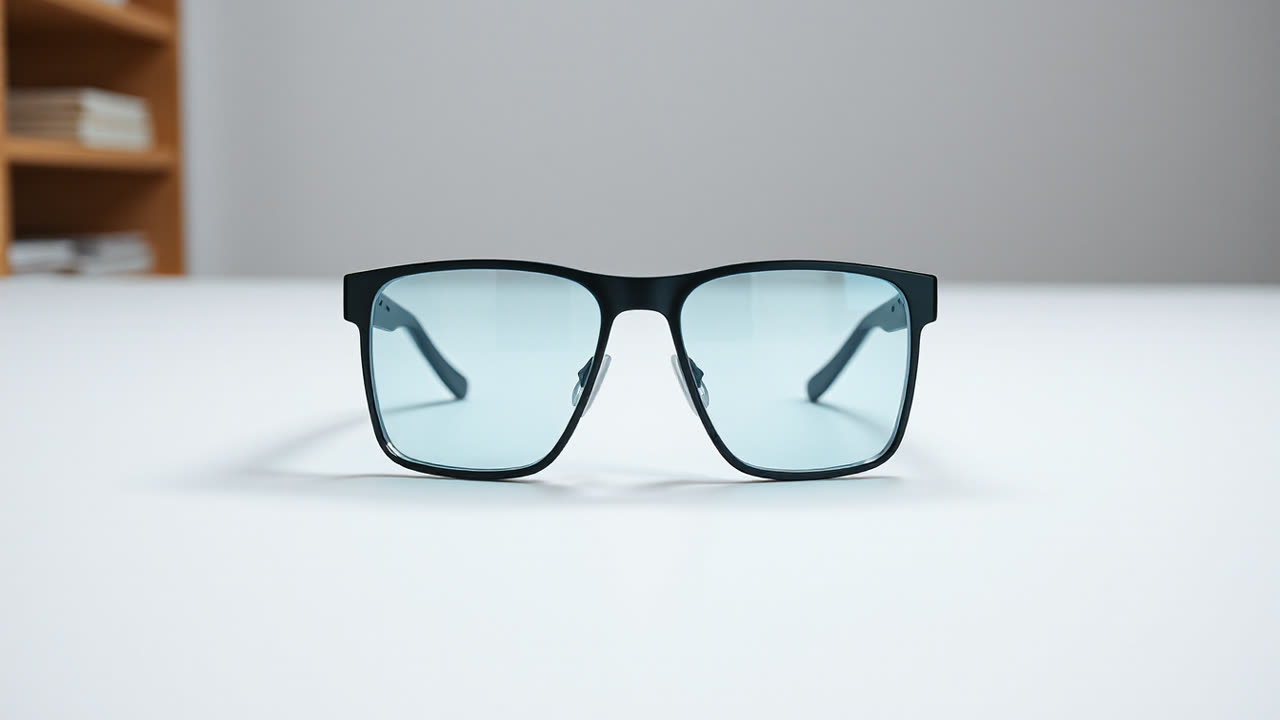
XREAL's latest smart glasses are poised to redefine home entertainment, offering a cinematic experience projected onto a virtual 330-inch screen from a device weighing just 78 grams, a significant leap in wearable display technology. This iteration, building on years of development, aims to replace traditional living room setups by delivering an immersive, private viewing experience that fits into a pocket. The company's focus on lightweight design and high-fidelity visuals directly addresses critical barriers to mainstream adoption, positioning these "sunglasses" as a viable alternative to televisions and projectors for personal media consumption.
The core innovation lies in XREAL's proprietary display technology, often utilizing Micro-OLED panels that project a crisp, vibrant image directly into the user's field of view, creating the perception of a massive screen several meters away. Unlike bulky virtual reality headsets that completely obscure the real world, XREAL's glasses leverage augmented reality principles, allowing users to remain aware of their surroundings while enjoying content, a crucial distinction for shared living spaces. The reported 330-inch virtual screen size dwarfs even the largest consumer televisions, offering an unparalleled sense of scale for movies, sports, and gaming, all without requiring a dedicated dark room or extensive setup. Integrated spatial audio further enhances immersion, aiming to replicate a home theater soundscape within the confines of the glasses themselves. This combination of visual fidelity, expansive screen size, and personal audio privacy represents a compelling proposition for users seeking an uncompromised viewing experience on demand, wherever they are.
The impact on users could be profound, particularly for apartment dwellers or those with limited space, where a large physical television is impractical. XREAL glasses offer a "personal theater" that can be deployed anywhere – on a plane, in bed, or even outdoors. This portability and discretion fundamentally alter the consumption model for media, shifting from a communal, fixed-location activity to a highly personalized, mobile one. Privacy is another key benefit; users can watch sensitive or niche content without disturbing others or being overlooked. For the industry, this could signal a gradual erosion of the dominance of large-screen TVs, especially in secondary viewing scenarios. Streaming services might see increased engagement as content becomes more accessible in diverse environments, and content creators could explore new formats optimized for a head-mounted display, potentially pushing boundaries beyond traditional aspect ratios and screen real estate. The shift also presents challenges for TV manufacturers, who may need to innovate beyond sheer screen size, perhaps focusing on integration with smart home ecosystems or advanced display technologies like rollable screens to maintain relevance.
Compared to rivals, XREAL occupies a distinct niche between full-fledged VR headsets like Meta Quest and mixed-reality powerhouses such as Apple Vision Pro. While devices like the Quest 3 offer higher immersion for gaming and VR experiences, they are generally heavier, less discreet, and not primarily designed for extended movie watching in an open environment. Apple Vision Pro, with its advanced passthrough video and spatial computing capabilities, represents a premium, high-cost device aimed at productivity and immersive interaction rather than simply displaying media on a large virtual screen. XREAL's strength lies in its relative simplicity, comfort, and price point (models like the XREAL Air 2 Pro are priced around $400-$500), making them far more accessible than the Vision Pro's $3,499 price tag. Previous generations of XREAL glasses, such as the Nreal Light and earlier Air models, paved the way by demonstrating the viability of lightweight AR displays, but often faced criticism regarding brightness, field of view, and software maturity. The current generation addresses many of these, offering improved optics and a more refined user experience.
Looking ahead, the trajectory for XREAL and the broader smart glasses market points towards continued miniaturization, enhanced display performance, and deeper integration with AI. Future iterations are likely to feature higher resolutions, wider fields of view, and improved battery life, moving closer to all-day wearability. The integration of advanced sensors and spatial mapping could unlock more sophisticated AR experiences beyond mere screen mirroring, allowing for interactive content that blends seamlessly with the real world. However, challenges remain significant. Battery life, while improving, is still a hurdle for truly untethered, all-day use. Content ecosystems, while growing, need further development to offer experiences specifically tailored for smart glasses rather than just adapted from flat screens. Social acceptance is another barrier; wearing "sunglasses" indoors for extended periods still carries a novelty factor that needs to evolve into normalcy. Despite these hurdles, XREAL's current offerings represent a compelling vision for the future of personal entertainment, suggesting that the best way to watch a movie might indeed be on a pair of sunglasses, bringing a truly cinematic experience into the personal sphere. The ultimate success will depend on their ability to move beyond a niche gadget to a ubiquitous personal display, much like smartphones became personal computers.