Xreal XBX a01+ Redefines Entry-Level AR Glasses with Astounding Brightness and $299 Price
Xreal's new XBX a01+ AR glasses deliver an unprecedented combination of brightness, comfort, and affordability at $299, poised to push augmented reality into mainstream consumer adoption.
✨ This content was summarized and interpreted by AI; it may contain errors — please verify accuracy with the original sources. Learn more
Listen to this story
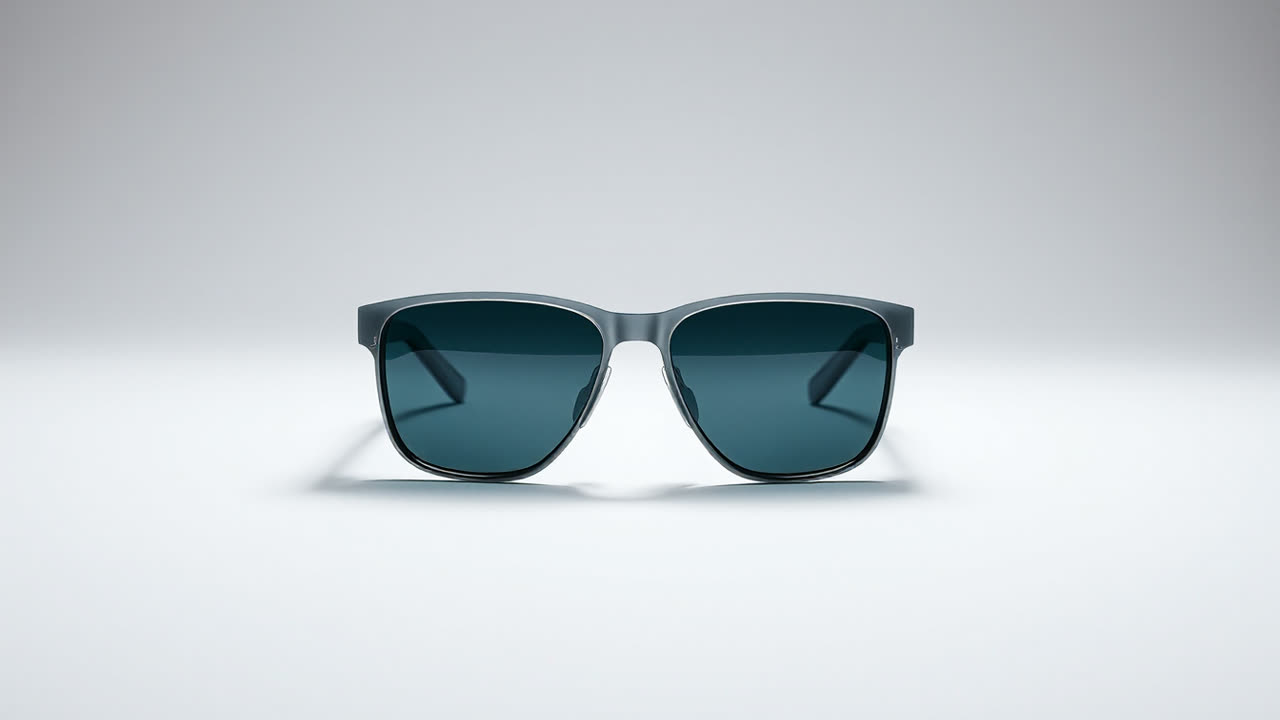
Xreal's latest offering, the XBX a01+, has redefined the entry point for augmented reality (AR) glasses, delivering an astoundingly bright and lightweight experience for an accessible $299. This aggressive pricing strategy, coupled with significant technical refinements, positions the XBX a01+ not merely as a budget option but as a serious contender for mainstream consumer adoption, moving AR beyond niche developer communities and into everyday use cases.
The XBX a01+ distinguishes itself immediately with its display technology, boasting a brightness level that often surpasses competitors in its price bracket. While specific nits measurements can vary across reviews, the consensus points to a vivid, clear image even in well-lit environments, a critical improvement over earlier AR glasses that struggled with outdoor visibility or ambient light interference. Weighing in at a mere 70 grams, the device is remarkably comfortable for extended wear, a crucial factor for user acceptance where bulkier headsets have historically been a deterrent. This lightness, combined with a design that closely mimics conventional sunglasses, significantly reduces the social friction associated with wearing AR technology in public. Unlike many predecessors that prioritized an immersive, often isolating, virtual reality (VR) experience, the XBX a01+ focuses on overlaying digital content onto the real world seamlessly, enhancing rather than replacing reality. Its primary function as a "spatial display" for smartphones, tablets, and even portable gaming consoles, effectively turning any connected device into a large, virtual screen, unlocks immediate utility for productivity, entertainment, and casual gaming.
The impact on users is profound, democratizing access to spatial computing. Previously, high-quality AR experiences were tethered to expensive, often bulky headsets like the Microsoft HoloLens 2, costing thousands of dollars and primarily targeting enterprise applications. The XBX a01+ brings a compelling, albeit simpler, form of AR to the average consumer, enabling them to enjoy a private, large-screen viewing experience on the go without the need for a physical monitor. For commuters, students, or frequent travelers, this translates into a portable cinema or an expansive workspace that fits in a backpack. The ease of connecting via a USB-C cable to a compatible device means minimal setup, reducing the barrier to entry for those unfamiliar with AR technology. This plug-and-play simplicity is a cornerstone of its appeal, allowing users to project their phone screen into a virtual 130-inch display at a distance of 4 meters, for instance, a feature highly praised for its utility.
From an industry perspective, Xreal's aggressive pricing and focus on core utility exert significant pressure on rivals. Companies like Viture, Rokid, and TCL RayNeo, which also operate in the consumer AR glasses space, are now forced to innovate further on price, comfort, and display quality to remain competitive. For example, the Rokid Max, a direct competitor, offers similar functionality but may be priced differently or offer distinct advantages in other areas. The XBX a01+ builds upon Xreal's own legacy, particularly the Xreal Air and Air 2 series, which were instrumental in popularizing the "wearable display" concept. The Xreal Air 2 Pro, for instance, introduced electrochromic dimming, allowing users to adjust the transparency of the lenses, a feature that might be absent in the budget XBX a01+ but sets a benchmark for what advanced Xreal models can offer. The XBX a01+ represents a strategic pivot, emphasizing accessibility and core performance over premium features, thereby expanding the total addressable market for AR.
Looking ahead, the success of the XBX a01+ could catalyze a new wave of innovation in the AR sector. Its focus on a "spatial display" rather than full-fledged AR content creation highlights a pragmatic approach to market entry, building a user base before pushing more complex applications. The immediate next steps for Xreal will likely involve refining software integration, expanding compatibility with a wider range of devices, and potentially introducing accessories that enhance the user experience, such as prescription lens inserts or improved audio solutions. The long-term outlook suggests a future where such lightweight AR glasses become as ubiquitous as smartphones, serving as a primary interface for digital interaction. As processing power miniaturizes and battery technology improves, future iterations could integrate onboard computing, freeing them from external device tethering and enabling more sophisticated, untethered AR experiences. The industry will also watch closely for how Xreal leverages its growing market share to attract developers, who are crucial for building a rich ecosystem of AR applications. While challenges remain in overcoming latency, improving field of view, and addressing privacy concerns inherent in always-on cameras, the XBX a01+ represents a critical milestone, proving that high-quality, practical AR experiences can indeed be delivered at a price point that invites mass adoption, setting the stage for the true dawn of consumer augmented reality.