YMX Deploys Outrider's Autonomous Yard Trucks to Combat Labor Shortage
Logistics provider YMX has begun integrating Outrider's autonomous yard truck technology into its electric fleet, directly tackling a nationwide shortage of qualified operators and aiming to revolutionize supply chain efficiency.
✨ This content was summarized and interpreted by AI; it may contain errors — please verify accuracy with the original sources. Learn more
Listen to this story
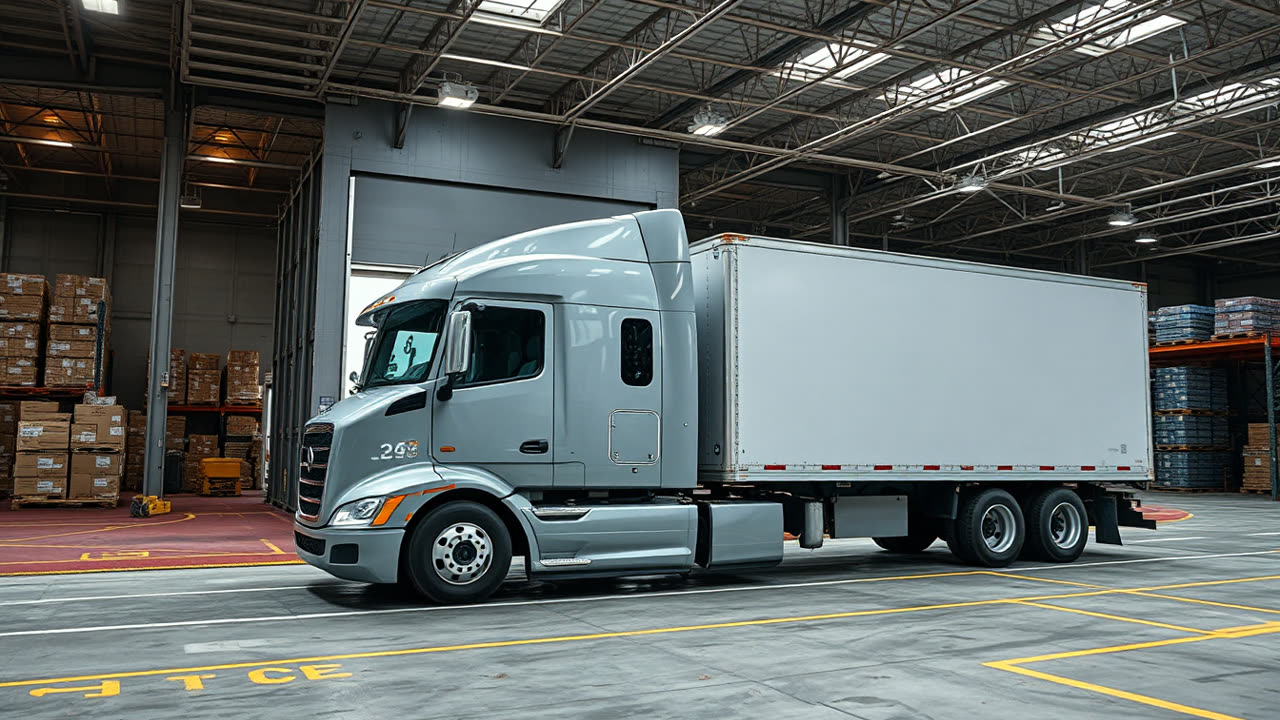
Logistics provider YMX has begun deploying Outrider's autonomous yard truck technology across its electric fleet, directly addressing a nationwide shortage of qualified yard operators that has increasingly hampered supply chain efficiency. This strategic integration, dubbed "Autonomous Orange" by some, positions YMX at the forefront of automated yard operations, promising to enhance throughput, improve safety, and mitigate the escalating labor crisis within critical logistics hubs. The move underscores a growing industry pivot towards intelligent automation as companies seek resilient solutions against persistent operational bottlenecks and rising labor costs.
The decision by YMX to adopt Outrider’s system is a direct response to the severe scarcity of skilled yard truck operators, a problem that has intensified over recent years, leading to significant delays and increased operational expenses across the logistics sector. Outrider's platform automates the intricate movements of yard trucks, including hitching and unhitching trailers, connecting and disconnecting brake lines, and precisely positioning trailers at loading docks. This comprehensive automation allows for 24/7 operation without direct human intervention in the yard, optimizing trailer flow and reducing dwell times that traditionally plague busy distribution centers and manufacturing facilities. The system leverages an array of sensors, high-definition mapping, and advanced artificial intelligence to navigate complex yard environments safely and efficiently, even in varying weather conditions and dynamic traffic scenarios.
This deployment holds significant implications for the broader logistics industry, offering a tangible pathway to overcome long-standing challenges. For YMX, the immediate impact will be a substantial improvement in yard productivity and predictability, allowing the company to process higher volumes of goods with fewer human operators, thereby enhancing service levels for its 3PL clients. The autonomous trucks are designed to integrate seamlessly with existing warehouse management systems (WMS) and transportation management systems (TMS), providing real-time data on trailer locations and movements, which can further optimize inventory management and dispatching. Beyond efficiency, the technology promises a significant uplift in yard safety, as autonomous systems are designed to operate with consistent precision and adherence to safety protocols, potentially reducing accidents common in manual yard operations. This safety aspect is particularly crucial given the high-risk nature of yard work.
Comparing Outrider's solution to prior generations of yard automation or rival offerings reveals its advanced capabilities. Earlier attempts at yard automation often involved simpler, more constrained systems, such as automated guided vehicles (AGVs) operating on fixed routes or teleoperated trucks requiring remote human oversight. Outrider, however, offers a fully autonomous, Level 4 solution specifically engineered for the dynamic and unstructured environments of logistics yards, handling complex tasks like backing trailers into tight dock spaces without a safety driver. While other companies like Boston Dynamics or Waymo focus on broader autonomous trucking or warehouse robotics, Outrider has carved a niche specifically in yard operations, developing a purpose-built system that directly addresses the unique challenges of trailer movement and management. Competitors in the autonomous yard space, such as those developing robotic trailer movers or hybrid solutions, often don't offer the same end-to-end autonomous functionality or integration depth with existing electric yard truck platforms that Outrider provides. The company's focus on electrifying its autonomous fleet also aligns with sustainability goals, reducing emissions and operational noise compared to traditional diesel yard trucks.
Looking ahead, the successful deployment by YMX with Outrider is likely to serve as a critical case study, accelerating the adoption of autonomous yard technology across the entire supply chain. As the technology matures and economies of scale are realized, the cost of implementing such systems is expected to decrease, making it more accessible to a wider range of logistics providers and private fleet operators. The next phase will likely involve expanding the operational design domain (ODD) of these systems to handle even more complex scenarios, such as navigating shared public roads between facilities or integrating with more diverse types of trailers and cargo. Furthermore, the data collected from deployments like YMX's will be invaluable for refining AI algorithms, improving predictive maintenance, and enhancing overall system resilience. The logistics industry stands on the precipice of a fundamental transformation, where the yard, long considered a bottleneck, becomes a highly efficient, autonomously managed nexus of goods movement, fundamentally reshaping labor requirements and operational models for decades to come.