YouTube Integrates Amazon Affiliate Links, Expanding Creator Monetization
YouTube creators can now seamlessly integrate Amazon affiliate links directly into their content, a pivotal expansion of YouTube Shopping's affiliate program that significantly broadens monetization avenues for the platform's vast creator base.
✨ This content was summarized and interpreted by AI; it may contain errors — please verify accuracy with the original sources. Learn more
Listen to this story
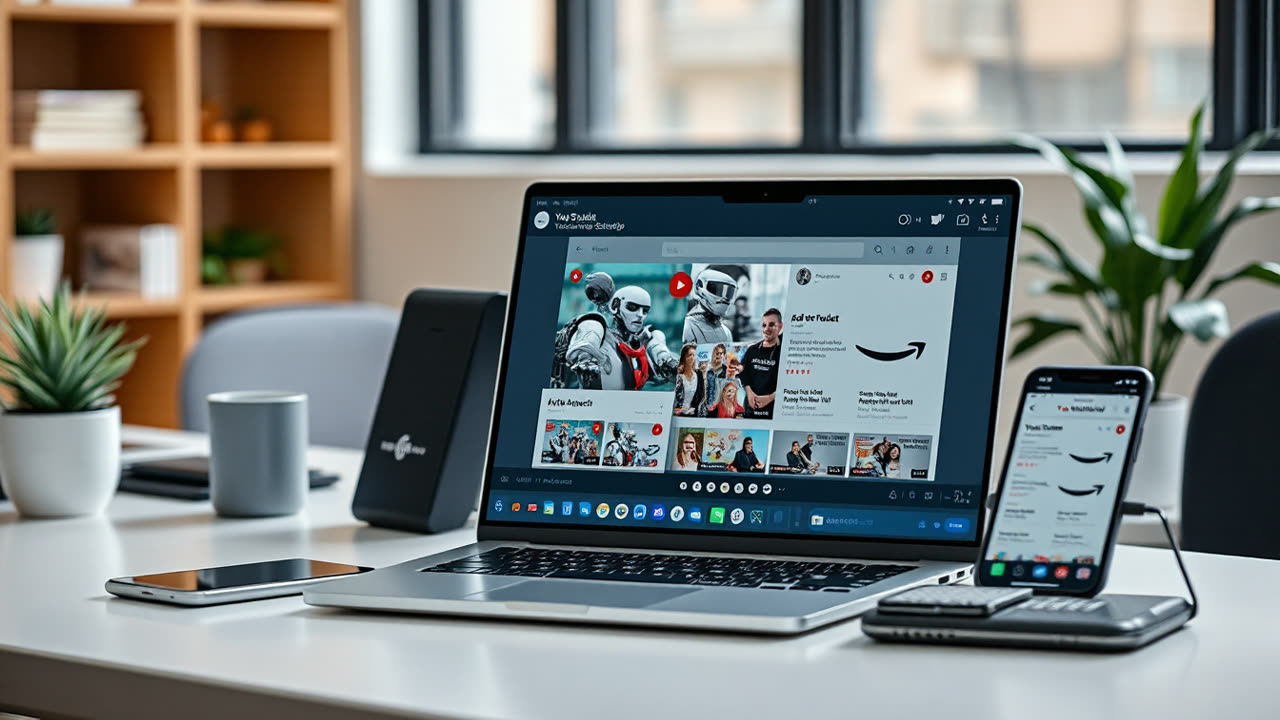
YouTube creators can now seamlessly integrate Amazon affiliate links directly into their content, a pivotal expansion of YouTube Shopping's affiliate program that significantly broadens monetization avenues for the platform's vast creator base. This long-anticipated move, confirmed by Engadget, brings the undisputed e-commerce giant into YouTube's native shopping ecosystem, allowing creators to tag products from Amazon directly in their videos, Shorts, and livestreams. Previously, creators often relied on manually pasting Amazon Associates links in descriptions, a less integrated and less visually appealing method. The new integration streamlines the user experience, potentially boosting conversion rates as viewers can now click directly on products featured on-screen, leading to a more frictionless purchasing journey. This development is a substantial win for creators, offering a direct, officially sanctioned pathway to tap into Amazon's colossal product catalog and its established customer trust, simplifying the process of earning commissions from product recommendations.
The significance of Amazon's entry into YouTube Shopping extends far beyond mere convenience; it fundamentally alters the landscape of creator monetization and e-commerce integration within video content. For years, creators have leveraged the Amazon Associates program, but its implementation on YouTube was largely external, requiring viewers to navigate away from the platform. The new integration keeps the shopping experience more contained within YouTube, a strategic move that benefits both platforms. YouTube retains viewer engagement by minimizing external redirects, while Amazon gains direct access to YouTube's immense audience, particularly those actively seeking product reviews and recommendations. This partnership is poised to accelerate the "shoppable video" trend, where entertainment and commerce intertwine, making purchasing decisions an organic extension of content consumption. Industry-wide, it sets a new precedent for how major e-commerce players can — and perhaps *must* — collaborate with dominant content platforms to capture consumer attention and spending. The potential for a significant uplift in affiliate revenue for creators is immense, given Amazon's product diversity, competitive pricing, and efficient fulfillment, which collectively represent a compelling proposition for viewers.
This integration builds upon YouTube's evolving strategy to empower creators with diverse income streams, moving beyond traditional ad revenue. YouTube Shopping, which officially launched in 2022, initially focused on direct store integrations with platforms like Shopify and Brandlive, and later introduced its own affiliate program with a curated list of participating brands like Sephora and Ulta Beauty. While these initial partnerships were valuable, Amazon's participation dwarfs them in scale and scope, instantly connecting creators to millions of products across virtually every category imaginable, from electronics to home goods to fashion. Amazon's existing Associates program, launched in 1996, is one of the oldest and most successful affiliate marketing programs globally, offering varying commission rates across different product categories, typically ranging from 1% to 10%. This established structure, now seamlessly woven into YouTube, provides a robust and reliable commission framework for creators, contrasting with the more fragmented landscape of individual brand partnerships. Competitors like TikTok Shop, which offers its own in-app purchasing and affiliate programs, have demonstrated the power of integrated commerce, but Amazon's sheer market dominance and brand recognition offer a different magnitude of opportunity for YouTube.
Looking ahead, the collaboration between YouTube and Amazon is likely to catalyze several significant shifts. Firstly, it will undoubtedly intensify competition among affiliate networks and e-commerce platforms vying for creator attention. Brands and retailers not yet integrated into YouTube Shopping may feel pressured to join or enhance their own affiliate offerings to remain competitive. Secondly, content creation itself may subtly evolve, with creators potentially leaning more into product-focused reviews, unboxings, and "haul" videos, knowing that direct monetization through Amazon is readily available. This could lead to a more commercialized YouTube experience, though creators will need to balance authenticity with promotional efforts to maintain viewer trust. We can also anticipate YouTube further refining its shopping tools, potentially introducing enhanced analytics for creators to track sales performance or more sophisticated AI-driven product recommendations. Ultimately, this partnership solidifies YouTube's position as a critical hub in the creator economy, not just for entertainment and information, but increasingly as a powerful engine for direct e-commerce, setting a precedent for a future where content consumption and commercial transactions become virtually indistinguishable.