YouTube Integrates Direct Amazon Product Tagging, Revolutionizing Creator Monetization
YouTube has officially integrated a direct product tagging system for Amazon products, allowing creators to embed shoppable links within their videos and earn commissions, a move that fundamentally reshapes creator monetization and solidifies Amazon's e-commerce dominance within the world's largest video platform.
✨ This content was summarized and interpreted by AI; it may contain errors — please verify accuracy with the original sources. Learn more
Listen to this story
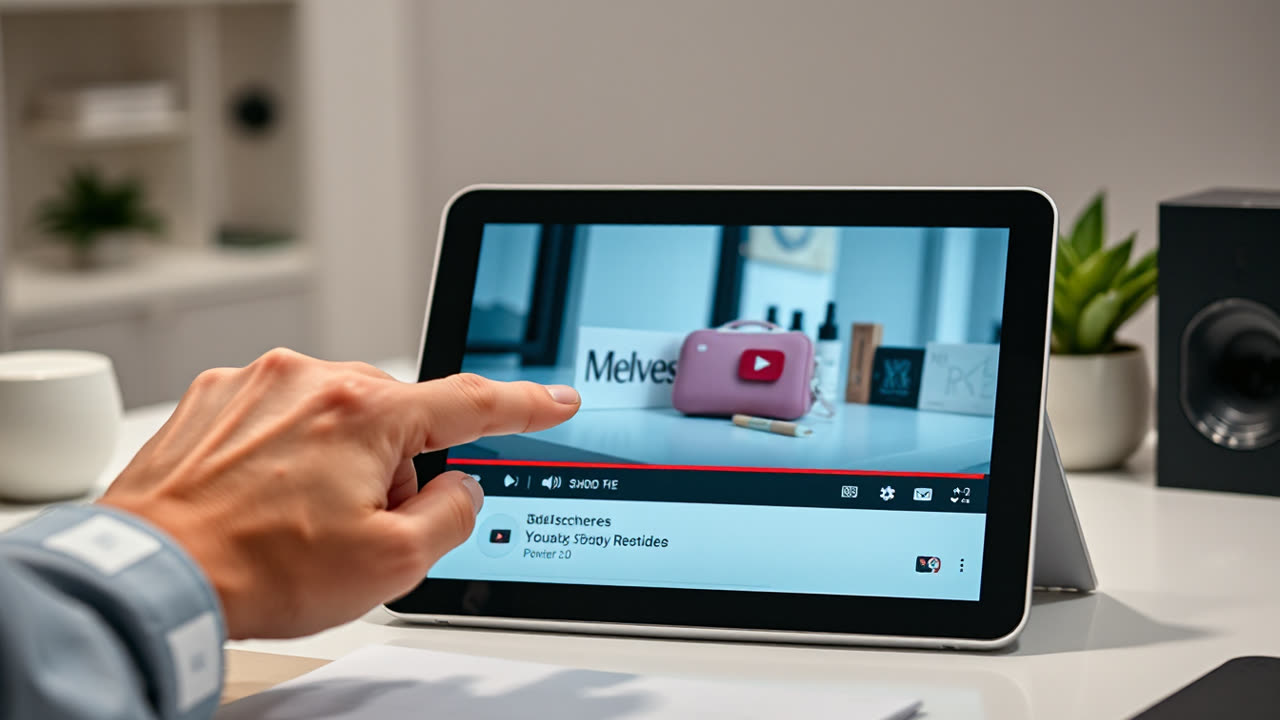
YouTube has officially integrated a direct product tagging system for Amazon products, allowing creators to embed shoppable links within their videos and earn commissions from resulting purchases, marking a significant evolution in the platform's monetization strategy and solidifying Amazon's omnipresence in the digital retail landscape. This new functionality, rolled out to eligible creators in select regions starting August 27, 2026, streamlines the affiliate marketing process, moving beyond traditional description-based links to an interactive, on-screen shopping experience that directly connects content consumption with e-commerce transactions. Previously, creators often relied on manually placing Amazon affiliate links in video descriptions or pinned comments, requiring viewers to navigate away from the content to complete a purchase. The new system allows creators to directly tag products appearing in their videos, with a small shopping icon or banner appearing on screen, offering a seamless path to purchase.
This update is a profound shift for the creator economy, fundamentally altering how content creators monetize product recommendations. For creators, the "frictionless" nature of direct tagging is expected to boost conversion rates significantly. By reducing the steps between discovery and purchase, creators can potentially see a substantial increase in their affiliate earnings, directly incentivizing the production of product-centric content, such as reviews, unboxings, and "haul" videos. The simplicity of the integration could also attract a broader range of creators who might have found the previous manual linking process cumbersome, thus expanding the pool of product-focused content on the platform. Furthermore, this move provides creators with a more diversified revenue stream beyond traditional ad revenue, which can be volatile, and direct brand sponsorships, which are often limited to larger channels. This empowers smaller and mid-tier creators, offering a more accessible and consistent path to financial sustainability through their content.
For Amazon, the strategic value of this integration is immense. It effectively transforms YouTube, one of the world's largest video platforms with over 2.7 billion monthly active users, into an extension of its vast online marketplace. This direct pipeline to consumers during their entertainment consumption represents a goldmine for product discovery and sales. By embedding its commerce engine directly within YouTube, Amazon gains unprecedented access to highly engaged audiences already influenced by trusted creators. This move intensifies Amazon's competition with other social commerce players like TikTok Shop and Instagram Shopping, which have aggressively pursued in-app purchasing functionalities. While TikTok Shop focuses on live shopping and short-form video, and Instagram leverages visual discovery, YouTube's strength lies in long-form, in-depth content that often drives higher purchase intent for complex or higher-value products. Amazon's existing affiliate program, Amazon Associates, has long been a cornerstone of online monetization, but this direct integration elevates its reach and potential impact dramatically by bringing the storefront directly into the video player.
Compared to prior generations of affiliate marketing on YouTube, where viewers had to copy links or navigate external sites, this new system offers a much more integrated and intuitive user experience. It mirrors the advancements seen on platforms like TikTok, which has invested heavily in its own in-app shopping features, allowing users to buy products directly without leaving the app. Instagram, too, has evolved its shopping features from simple product tags to a dedicated "Shop" tab and checkout capabilities within the app. YouTube's approach, leveraging its existing creator base and Amazon's retail infrastructure, positions it as a formidable player in the burgeoning social commerce arena, which is projected to reach over $1.2 trillion globally by 2027. This initiative also builds upon YouTube's existing efforts to enhance shopping experiences, such as its "Shopping" tab and Brand Connect program, which helps creators secure brand deals.
Looking ahead, this partnership signals a deeper convergence of content and commerce across the digital landscape. We can anticipate an acceleration in the development of sophisticated analytics tools for creators, providing insights into conversion rates, popular products, and audience purchasing habits, further optimizing their content strategies. The success of this initial rollout will likely lead to expanded features, potentially including live shopping integrations for Amazon products during YouTube Live streams, augmented reality try-on features, or even direct inventory management tools for creators selling their own branded merchandise through Amazon. There's also the potential for other major retailers to pursue similar direct integrations with YouTube, creating a more competitive and fragmented social commerce ecosystem. However, the dominance of Amazon's product catalog and logistics infrastructure gives this particular partnership a significant head start. The long-term impact on consumer behavior could see a normalization of in-video purchasing, where buying a product recommended by a creator becomes as seamless and commonplace as clicking a "like" button. The line between entertainment and retail will continue to blur, making content itself a direct conduit for commerce, fundamentally reshaping how consumers discover and acquire goods online.