YouTube's Algorithm Frustrates Millions, Driving Users to Manual Control
The pervasive frustration with YouTube's recommendation algorithm has reached a critical point, with millions of users actively seeking and implementing manual interventions to reclaim control over their viewing experience. This widespread user dissatisfaction highlights a significant challenge for the platform, as its core promise of personalized content discovery falters, pushing viewers to adopt proactive strategies that range from meticulous history management to explicit feedback mechanisms, ultimately eroding trust and potentially impacting its market dominance.
✨ This content was summarized and interpreted by AI; it may contain errors — please verify accuracy with the original sources. Learn more
Listen to this story
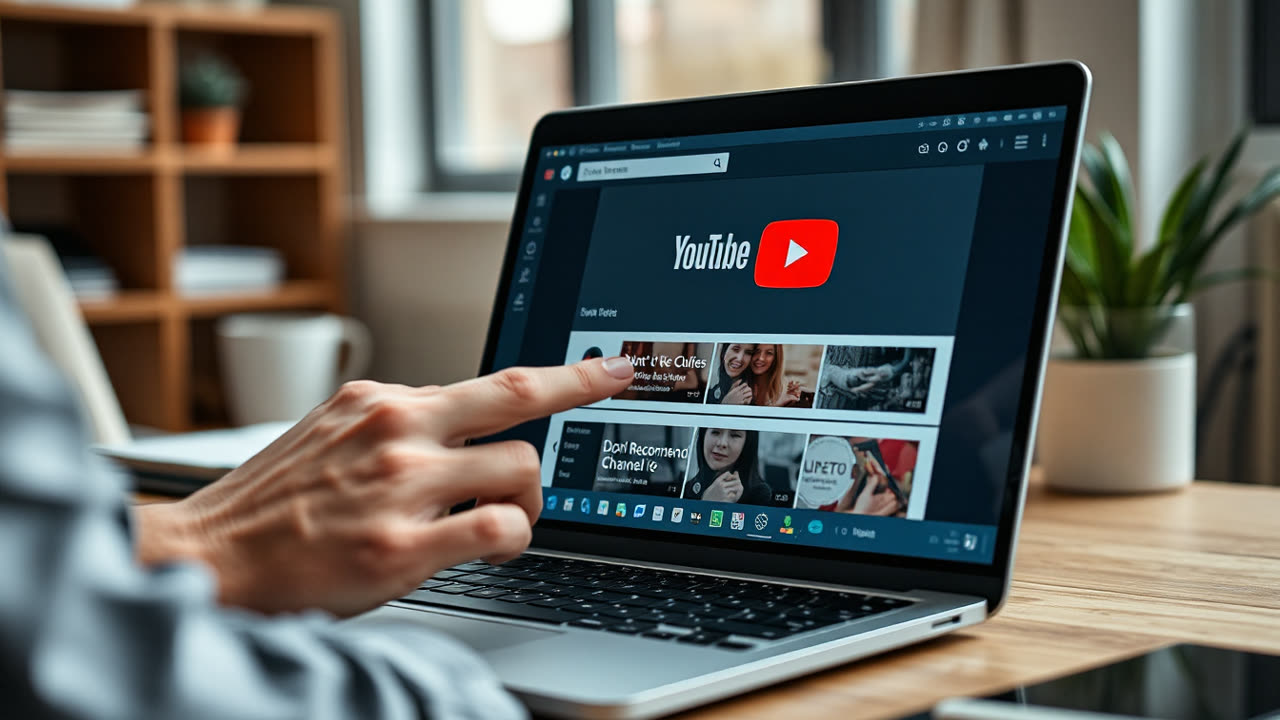
The pervasive frustration with YouTube's recommendation algorithm has reached a critical point, with millions of users actively seeking and implementing manual interventions to reclaim control over their viewing experience. This widespread user dissatisfaction highlights a significant challenge for the platform, as its core promise of personalized content discovery falters, pushing viewers to adopt proactive strategies that range from meticulous history management to explicit feedback mechanisms. The necessity for users to resort to such measures underscores a perceived algorithmic drift, where the system, designed to anticipate preferences, instead often serves up irrelevant, repetitive, or even undesirable content, eroding the passive enjoyment that once defined YouTube browsing.
At the heart of user-driven solutions are four primary methods to recalibrate a "wacky" algorithm: managing watch history, utilizing explicit "Don't recommend channel" or "Not interested" feedback, exploring specific topics and channels, and curating subscriptions. Clearing or pausing watch history, for instance, offers a blunt reset, effectively wiping the slate clean and forcing the algorithm to rebuild a profile based on subsequent, more intentional viewing. This drastic step, while effective, also signifies a breakdown in trust, as users feel compelled to erase their digital footprint rather than rely on the system to learn from it. Similarly, the "Don't recommend channel" feature, alongside the "Not interested" button on individual videos, provides direct negative feedback, instructing the algorithm to suppress content from specific sources or types. While seemingly straightforward, the effectiveness of these signals can feel inconsistent to users, leading to a sense of battling an opaque system rather than guiding a responsive one. Furthermore, actively seeking out desired content through the "Explore" tab or by subscribing to specific channels acts as a positive reinforcement, signaling clear interests that the algorithm *should* ideally prioritize. These actions collectively represent a user-led effort to inject clarity into a system that appears increasingly confused by their nuanced preferences, demonstrating a tangible shift from passive consumption to active curation.
This algorithmic misalignment matters profoundly for both users and the industry. For users, the immediate impact is a degraded viewing experience, leading to wasted time sifting through irrelevant videos and a diminished sense of discovery. Instead of being introduced to new, compelling content, users frequently encounter an echo chamber of past interests or, worse, a deluge of content entirely outside their taste. This frustration can lead to "algorithmic fatigue," where users spend less time on the platform or migrate to alternatives that offer a more intuitive discovery process, such as TikTok's notoriously effective For You Page. The psychological toll of being persistently served content one actively dislikes or finds unengaging can also contribute to a less satisfying digital life.
For the industry, YouTube's recommendation engine is its lifeblood. A malfunctioning algorithm directly impacts content creators, whose visibility and potential for growth are heavily reliant on algorithmic promotion. If relevant audiences aren't being reached, creators struggle to build communities and monetize their work, potentially leading to a decline in content quality or diversity as creators chase algorithmic trends rather than authentic passions. Advertisers also suffer, as less precise recommendations translate to less targeted ad placements and, consequently, reduced campaign effectiveness and ROI. More broadly, YouTube's long-standing dominance in online video is predicated on its ability to connect users with content they love. A sustained period of poor recommendations risks ceding market share to competitors like TikTok, which has invested heavily in a hyper-personalized, short-form video feed, or even niche platforms that cater to specific interests with greater precision. The platform's very ecosystem — from viewer engagement to creator livelihoods and advertising revenue — hinges on the algorithm's performance.
Historically, YouTube's algorithm has evolved significantly since its early days of prioritizing clicks and views to its current focus on watch time and user satisfaction, incorporating complex machine learning models to understand implicit and explicit signals. Its sophisticated architecture analyzes vast amounts of data, including watch history, search queries, engagement metrics (likes, comments, shares), and demographic information, to predict what a user will watch next. However, the sheer volume of content uploaded daily, coupled with subtle shifts in user behavior (e.g., watching a child's show with a child, or briefly exploring a new topic out of curiosity), can easily send the algorithm "out of whack," creating unintended feedback loops that are difficult to break. Unlike rivals such as TikTok, which thrives on rapid novelty and a highly dynamic feed, YouTube's algorithm sometimes appears to struggle with balancing established preferences with the introduction of genuinely new and relevant content, leading to a perception of stagnation or misdirection.
Looking ahead, the future of YouTube's recommendations will likely see a push towards greater transparency and more granular user control, driven by persistent user feedback and competitive pressures. While a complete overhaul of the underlying machine learning models is a continuous process, user-facing improvements could include more intuitive tools for refining recommendations, perhaps offering clearer explanations for *why* certain videos are suggested, or allowing users to "tune" their feeds by adjusting sliders for categories or content types. Expect further integration of AI to better understand nuanced user intent and context, differentiating between a one-off curiosity and a developing interest. Furthermore, YouTube might explore more collaborative filtering options, allowing users to leverage trusted communities or friends' viewing habits to discover new content. The imperative is clear: to move beyond reactive user interventions and toward a proactive, intelligent system that genuinely anticipates and adapts to user preferences, ensuring YouTube remains the premier destination for personalized video content.